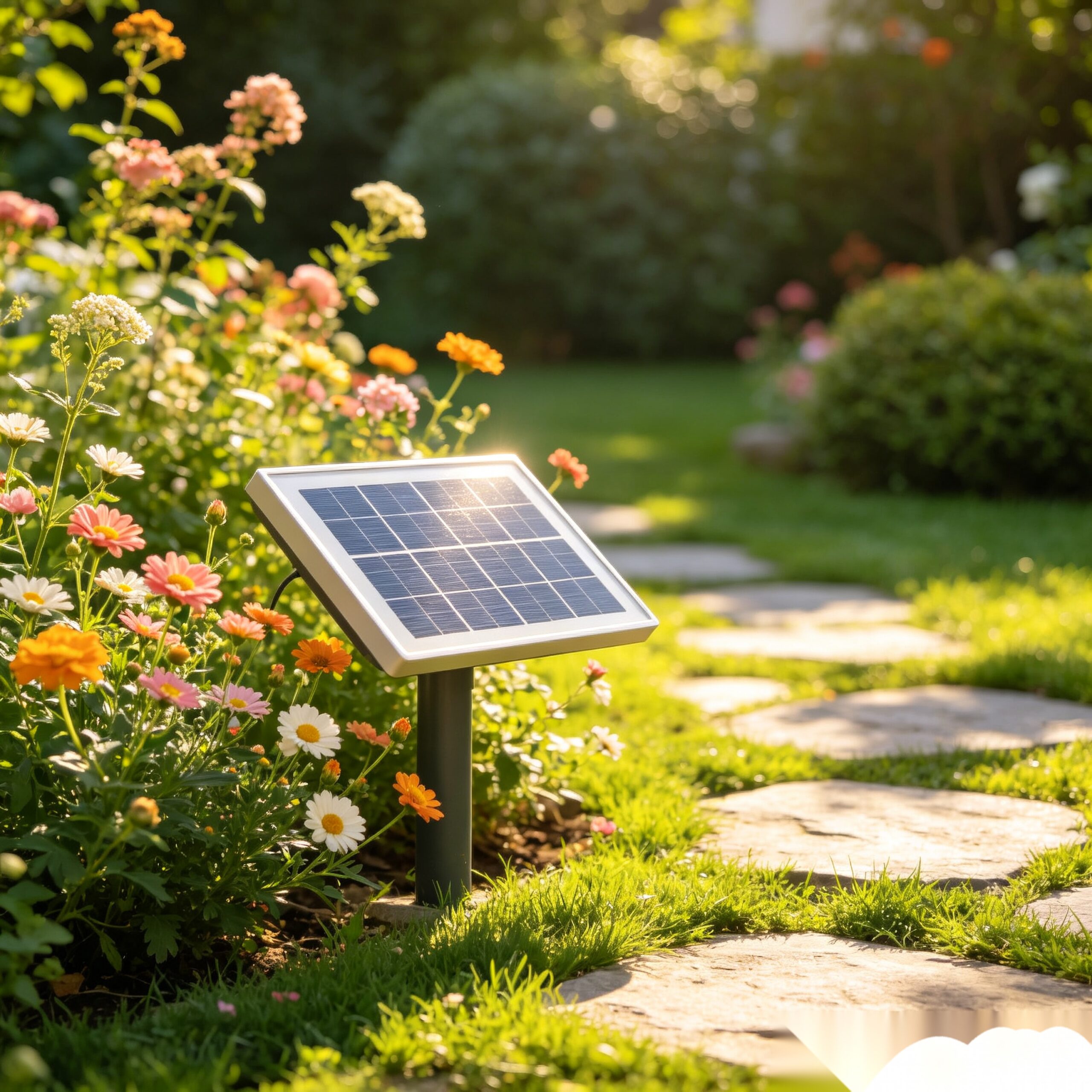
TL;DR: This solar panel buying guide for beginners covers the five decisions that actually matter. Size the system from your monthly kWh, buy monocrystalline panels for most homes, match the inverter to your roof, collect at least three installer quotes, and skip the battery if net metering is available. Budget $15,000-$30,000 before incentives, and expect the system to pay for itself in 8-12 years.
Most first-time buyers get talked into the wrong system because they start with the panels instead of their own electricity bill. Work through the five decisions below in order and you will end up with a system that fits your usage, your roof, and your budget.
Solar Panel Buying Guide for Beginners: The Five Decisions
Decision 1: How Big Should Your System Be?
Pull the last 12 months of electricity bills and write down your monthly usage in kilowatt-hours (kWh). One kWh is one unit of electricity — a 1,000-watt appliance running for one hour uses 1 kWh. That monthly number decides the size of the system you need.
Use the table below as a starting point, then let an installer confirm it with a shade study.
| Monthly Usage | System Size | Panels (approx., 400W each) |
|---|---|---|
| 300 kWh | 3 kW | 8 |
| 600 kWh | 6 kW | 15 |
| 900 kWh | 9 kW | 23 |
| 1,000+ kWh | 10 kW | 25 |
These figures assume roughly 4-5 hours of usable sun per day. Sun-drenched states need less capacity; cloudy northern states need more.
Decision 2: Monocrystalline or Polycrystalline Panels?
Both types work. The difference is efficiency and price per watt.
| Monocrystalline | Polycrystalline | |
|---|---|---|
| Efficiency | 19-23% | 15-17% |
| Roof space needed | Less | More |
| Low-light performance | Better | Average |
| Price per watt | Higher | Lower |
| Best for | Most homes | Tight budget with a large roof |
For the average homeowner, monocrystalline panels are the better buy. They last 25-30 years, degrade more slowly, and need less roof space for the same output. Polycrystalline still makes sense if your roof is large and your budget is tight.
Decision 3: String Inverter or Microinverters?
The inverter turns the DC power your panels make into the AC power your house uses. You have two realistic choices.
- String inverter — the cheapest option and the most common. One central box handles the whole array, and it works well on a simple roof with no shade all day.
- Microinverters — one small inverter under every panel. They cost more up front, but each panel works independently, so shade on one panel does not drag down the rest. Best for roofs with partial shade, multiple slopes, or panels facing different directions.
If your roof is simple and unshaded, a string inverter saves you money. If any part of the roof is shaded during the day, microinverters usually earn back the extra cost.
Decision 4: Do You Need a Battery?
A battery stores surplus power so you can use it after sunset. Lithium batteries last 10-15 years and need no maintenance.
But you may not need one at all. If your utility offers net metering — a program where the grid credits you for the power you export — the grid itself works as your storage. In that case a battery only makes sense if you specifically want backup power during outages.
Decision 5: How to Compare Installer Quotes
Equipment brand alone does not decide the price. Most quotes differ because of labor, roof work, and profit margin. Compare these five things, in this order:
- Licenses and insurance — confirm the installer holds both, and ask for the policy number.
- At least three quotes — from three different companies, not three salespeople from one company.
- Customer references — call two past customers and ask about the timeline and the after-sales service.
- Warranty terms — 25-year product and 25-year performance warranties are the current standard. Ask who honors the warranty if the installer closes.
- Total price — compare price per watt, not the lump sum, so you are comparing like for like.
What Solar Costs in 2026
| Item | Typical Cost |
|---|---|
| Panels | $0.30-$0.60 per watt |
| Full residential system (before incentives) | $15,000-$30,000 |
| Federal tax credit | 30% of system cost |
| Battery (10 kWh, installed) | $8,000-$15,000 |
State rebates and utility incentives vary widely, so check what your state offers before you compare quotes.
How Long Until It Pays for Itself?
Most homeowners break even in 8-12 years. Panels keep working for 25-30 years, so every kWh produced after the break-even point is essentially free electricity. If you plan to move within the next 8 years, ask your installer how the system affects resale value before you buy.
Your Solar Buying Checklist
- Look up your local net metering rules.
- Find out which tax credits and rebates you qualify for.
- Request quotes from at least three installers.
- Compare warranties, not just price per watt.
- Leave room for future expansion if you may add panels later.
- Ask about monitoring tools and after-install service.
FAQ
How much does a solar system cost in 2026?
A typical residential system runs $15,000-$30,000 before incentives. The 30% federal tax credit and state rebates can cut the net cost by 30% or more.
How many solar panels do I need?
Check your monthly usage in kWh. A home using about 300 kWh per month generally needs a 3 kW system (around 8 panels), while a home using 1,000 kWh needs roughly a 10 kW system (around 25 panels).
Monocrystalline or polycrystalline — which should I buy?
Monocrystalline for most homes. They are more efficient, perform better in weak light, and take up less roof space. Polycrystalline is a fine choice only if your budget is tight and you have plenty of roof space.
Do I need a battery with my solar panels?
Only if you want backup power during outages, or your area has no net metering. With net metering, the grid stores your surplus for you, so a battery is optional.
String inverter or microinverter — which is better?
String inverters are the most cost-effective option on a simple, shade-free roof. Choose microinverters if your roof has partial shade, multiple slopes, or panels facing different directions.
How do I choose a solar installer?
Confirm they are licensed and insured, collect at least three quotes, and call past customers. Compare warranty terms, equipment brands, and price per watt before deciding.
How long does it take for solar to pay for itself?
Most homeowners recover the cost in 8-12 years through lower electricity bills. Panels keep producing for 25-30 years, so the power after that point is essentially free.
Related: Solar Panel Installation Process – What to Expect Step by Step