TL;DR: A net-zero home produces as much energy as it uses over a full year. The path: cut your energy use 30-50% first (LEDs, insulation, efficient appliances), then size a 5-10kW solar system for what remains, and add battery storage only if you want night or backup power. Incentives can cut the upfront cost by 30% or more.
A net-zero home makes roughly the same amount of energy that it consumes across a full year, and solar power is by far the most popular way to hit that goal. Let’s break down how this concept works, along with what you will need to build one for yourself.
What Is a Net Zero Home?
A net-zero home creates enough clean energy to match all the power it uses over 12 months. Importantly, it does not have to generate exactly as much power as it consumes every single hour of the day. The idea is simple: when you add everything up for a full year, total energy production cancels out total energy use.
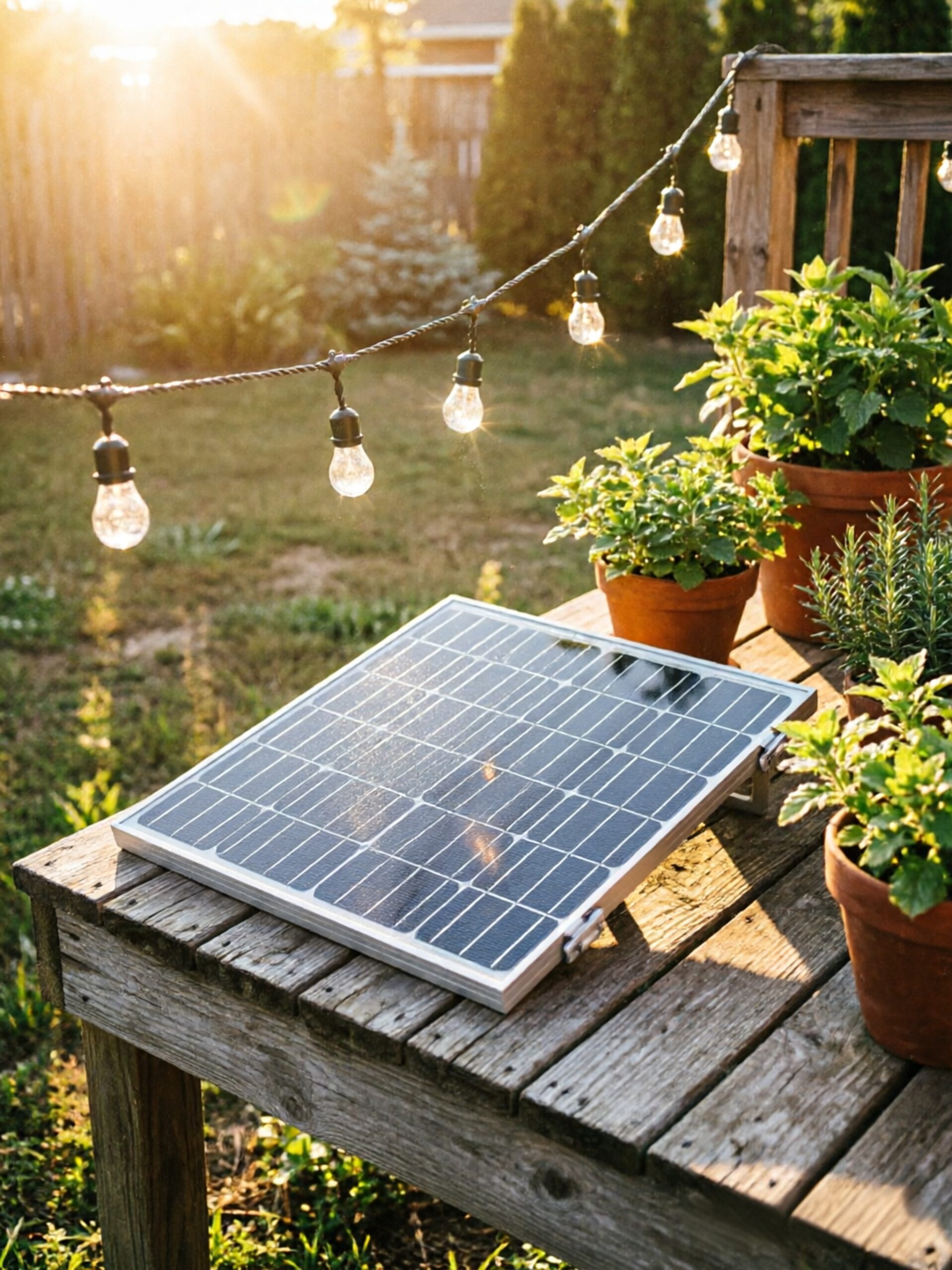
Solar panels are the go-to solution for most houses. They fit onto the majority of residential roofs and keep generating electricity for many years after installation.
The Key Components
Solar Panels
A correctly sized solar array forms the core of any net-zero home. How big your system needs to be changes based on how much power your household uses, which direction your roof faces, and local weather patterns. Most ordinary homes require a 5-10kW setup to reach net-zero status.
Battery Storage
Batteries let you tap into your solar energy after sunset and keep critical devices running when the power grid fails. You do not technically need batteries to become net-zero, but they make you far less dependent on outside power supplies.
Energy Efficiency First
Many people jump straight to buying solar panels, but cutting down your energy demand first gives you the best return on money spent. Simple upgrades such as high-efficiency household appliances, LED lights, improved wall and roof insulation, and smart thermostats can bring your overall energy consumption down by 30-50 percent.
Steps to Reach Net Zero
- Measure your current usage. Pull together your past electricity bills and work out your total annual consumption measured in kWh.
- Reduce consumption. Boost your home insulation, swap out old light bulbs for LEDs, and replace outdated appliances with energy-saving alternatives.
- Size your solar system. Use your new, lower energy-use numbers to work out how large your solar array should be. A qualified installer can run the calculations for you.
- Add storage (optional). Look into battery units if you want stored solar power for nights or emergency blackouts.
- Track and adjust. Keep an eye on both your energy production and household consumption. Tweak your daily habits or talk about adjusting your system if you notice gaps.
Is Net Zero Worth It?
Living in a net-zero home leads to large long-term savings on electricity bills. These properties also tend to sell for more and lower your personal carbon emissions. If your region supports net metering, the public power grid helps smooth out seasonal gaps between summer over-production and winter shortfalls.
The biggest barrier is the large upfront expense. Thankfully, tax breaks and local incentive programs can knock 30% or more off your total project cost.
Conclusion
Most homeowners can realistically build a net-zero home. Start by bringing down how much energy you burn, then design a solar system to cover whatever load remains. As solar hardware keeps getting cheaper and more support programs pop up, net-zero housing has become much more realistic for ordinary families.
FAQ
What does net zero mean for a home?
A net-zero home produces about as much energy as it consumes over a full year. Production and use don’t have to match hour by hour, only across the whole 12 months.
How big a solar system do I need to go net zero?
Most ordinary homes need a 5-10kW solar setup, depending on your energy use, roof direction, and local weather.
Do I need batteries to reach net zero?
No. Batteries are optional — they let you use solar power at night and during outages, but net metering can handle seasonal balance without them.
Should I make my home efficient before adding solar?
Yes. Cutting your energy demand first — with LEDs, insulation, and efficient appliances — can reduce consumption by 30-50%, so you need a smaller and cheaper solar system.
Is a net-zero home worth the cost?
For most homeowners, yes. You get large long-term bill savings, higher resale value, and lower carbon emissions, and incentives can cut 30% or more off the upfront cost.
What’s the fastest way to start moving toward net zero?
Measure your annual kWh usage first, then tackle efficiency upgrades before sizing your solar system for the remaining load.
Related: Solar Panel Degradation Rate – What It Means and Why It Matters