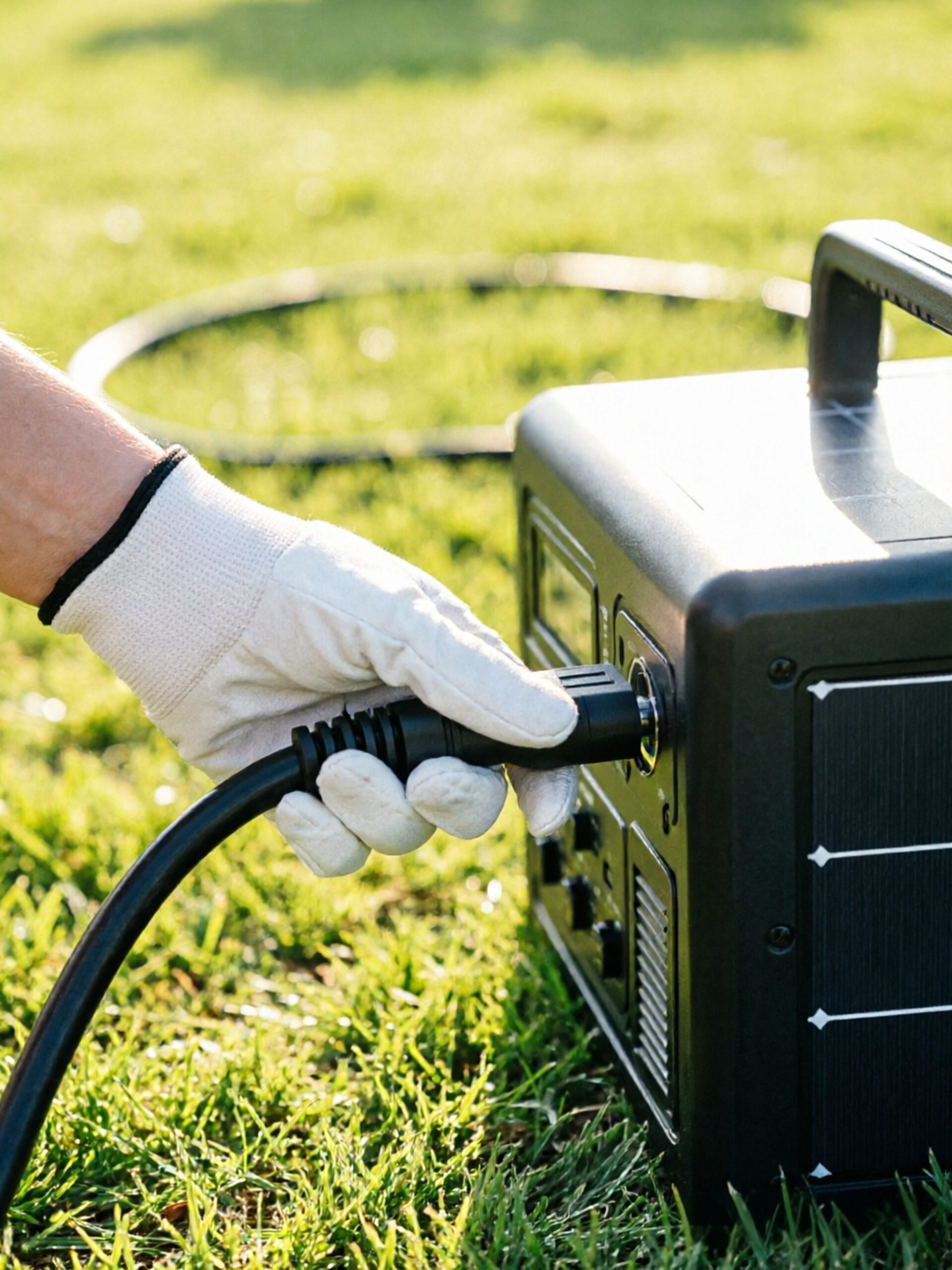
TL;DR: Solar energy storage lets you keep the power your panels produce and use it after dark or during an outage. Lithium-ion is the best fit for most homes (10-15 year life) but costs $5,000-$30,000. You only need a battery if you face outages or want energy independence – net metering may be enough otherwise.
Adding energy storage to your solar setup changes the whole way you consume power. Rather than only benefiting from solar generation during daylight hours, you can store excess energy to use after dark and when the power grid goes down. Here is what every beginner ought to know.
What Does a Solar Battery Do?
A solar battery holds onto extra electricity your solar panels produce. Through the day, your panels top up the battery. Once night falls, you draw from that stored energy instead of buying power from the utility grid.
When a power outage hits, the battery keeps your lights, Wi-Fi router and other critical household devices running.
Do You Really Need a Battery?
Batteries are not a mandatory part of most home solar setups. You should consider getting one if any of these apply to you:
- You deal with frequent local power outages
- You want to cut your reliance on the public power grid
- Your utility charges much higher rates for nighttime usage
- You want reliable backup power for your most important devices
If net metering is available in your area, the grid itself acts as your virtual storage. A battery only becomes necessary for outage protection or greater energy independence.
Common Types of Solar Batteries
Lithium-Ion
This is the go-to option for residential solar systems. These batteries are lightweight, last 10-15 years, require very little ongoing maintenance, and handle deep discharging well. They cost more upfront, yet deliver solid long-term value for most households.
Lead-Acid
Lead-acid batteries come with a lower price tag, but they are heavy, demand regular maintenance, and only last 5-8 years. They work as a budget-friendly pick for smaller-scale solar projects.
What Size Battery Should You Get?
Battery capacity is measured in kilowatt-hours (kWh):
- 5kWh: Powers your essential devices for several hours
- 10kWh: Covers overnight power needs for the average home
- 15-20kWh: Delivers backup power for your entire household
Start out with a battery sized to cover your must-have loads. You can always add extra battery capacity down the line.
How Much Does Energy Storage Cost?
Battery units range from $5,000 to $30,000, based on capacity and brand. On-site installation adds further expense. Many local governments offer incentive programs that knock 20-30% off your total costs.
Will a Solar Battery Save You Money?
A battery delivers real savings when you draw on stored solar power at night instead of purchasing costly grid electricity. It also gives you peace of mind during blackouts.
Still, if you have access to net metering and low nighttime power rates, a battery might not pay itself off quickly. Always weigh your local electricity pricing and how often outages happen before making a purchase.
Final Thoughts
Energy storage makes solar far more practical, giving you usable power at night and through unexpected outages. Lithium-ion works best for the majority of homeowners. Start with a battery sized for your core needs, and expand your storage capacity later as required.
FAQ
Do I need a battery if I have net metering?
No. With net metering, the grid acts as your storage. A battery is only needed for outages or greater independence.
What size solar battery do I need for home backup?
A 10kWh battery covers most homes’ overnight needs. Start with 5kWh for essential devices if you are on a budget.
How long does a solar battery last?
Lithium-ion lasts 10-15 years. Lead-acid lasts only 5-8 years but costs less.
Can I add a battery to my existing solar system?
Yes, most systems are battery-ready or can be upgraded. Check inverter compatibility with your installer.
Do solar batteries work during a power outage?
Yes, if properly installed. The battery provides backup power to your essential circuits when the grid goes down.
Related: How Much Solar Power Do You Need – A Simple Calculator Guide
1 thought on “Solar Energy Storage for Beginners – Batteries, Backup, and Savings”