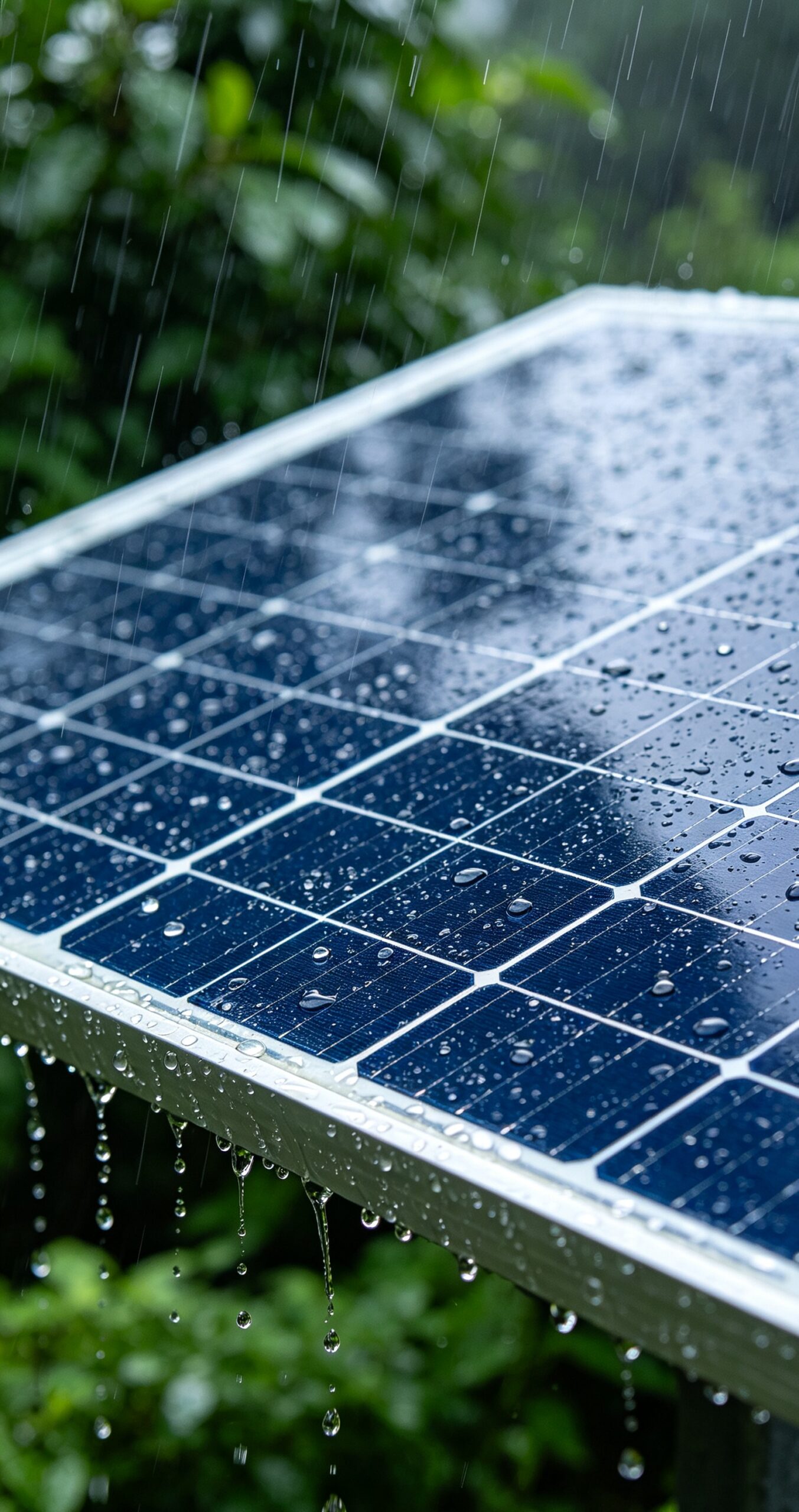
Do Solar Panels Work in Shade and Cloudy Weather?
2026 Update: Modern solar panels have made clear strides in low‑light performance. The latest generations cope far better with partial shade and overcast conditions compared to older panel models.
TL;DR: Solar panels deliver peak performance under direct sunlight, yet they still produce electricity on cloudy days and in partial shade. Expect output to fall to 10‑50 % under shaded conditions. Microinverters or power optimizers can greatly soften shading‑related power losses.
A widespread myth says solar panels only function under bright, unobstructed sunshine. In reality, they keep generating power through cloud cover and partial shade — just at reduced capacity. Below is a practical breakdown for homeowners.
Do Solar Panels Require Direct Sunlight?
Solar panels generate power from light energy, not heat. Direct sunlight is not strictly required. Sunlight filters through cloud layers, so production continues even on grey days.
Power output varies based on incoming light levels:
- Full direct sunlight: 100 % output
- Light cloud cover: 50‑80 % output
- Heavy overcast skies: 10‑25 % output
- Heavy deep shade: 5‑15 % output
Power Loss Caused by Shade
Shading creates more severe issues than cloud cover. When trees or buildings block part of a panel, shaded cells stop generating power. On standard series‑wired setups, one shaded unit drags down performance for the entire string.
Just one shaded panel can slash the output of an entire row by 50 % or more.
Practical Ways to Minimize Shading Losses
- Keep overhanging tree branches trimmed back from your array
- Fit microinverters or power optimizers to let every panel operate independently
- Position panels on the sun‑exposed sections of your roof
- Evaluate seasonal shade changes as trees grow and the sun shifts position
Solar Performance During Winter
Solar panels run more efficiently in cold temperatures. Winter limitations stem from shorter daylight hours and a low sun angle, not cold itself. Snow on surrounding surfaces can also reflect extra light onto panels to boost production.
Can Solar Work Well in Cloud‑Prone Regions?
Absolutely. Nations such as Germany and the United Kingdom experience frequent cloudy weather yet maintain large‑scale solar deployments. A correctly sized system paired with net metering makes solar a viable option even for cloudy climates.
FAQ
Do solar panels have to have direct sunlight?
No. They operate in cloud and shade conditions, though output drops. Direct sunlight yields maximum energy production.
How much power do panels yield on cloudy days?
50‑80 % of rated output under thin cloud; 10‑25 % under heavy cloud.
Is shading more harmful than cloud cover?
Yes. Shade creates full light blockage and drags down performance across whole panel strings, while clouds only lower overall output evenly.
Can solar panels generate power at night?
No. They need light to operate. For nighttime power, you will draw from battery storage or the utility grid.
Is rooftop solar still possible with partial roof shade?
Yes. Install microinverters or power optimizers and place panels in the least‑shaded roof zones to offset the problem.