TL;DR: Building a small home solar system on a budget is simpler than most people expect. A 100W to 200W panel, a basic charge controller, a 50Ah battery and a small inverter come to roughly $440 in total, and that is enough to cover lights, phones and laptops. Start small, then expand as your needs grow.
How to Build a Budget-Friendly Small Home Solar System
Putting together a small residential solar system doesn’t have to be a costly project. With careful, practical component choices, you can easily build your own home solar setup and generate clean power for less than $500. It’s a great way to cut daily electricity costs and have spare power for emergencies.
Below is a simple, step-by-step guide to building an affordable, functional home solar system on a tight budget.
Step 1: Pick the Right Solar Panel
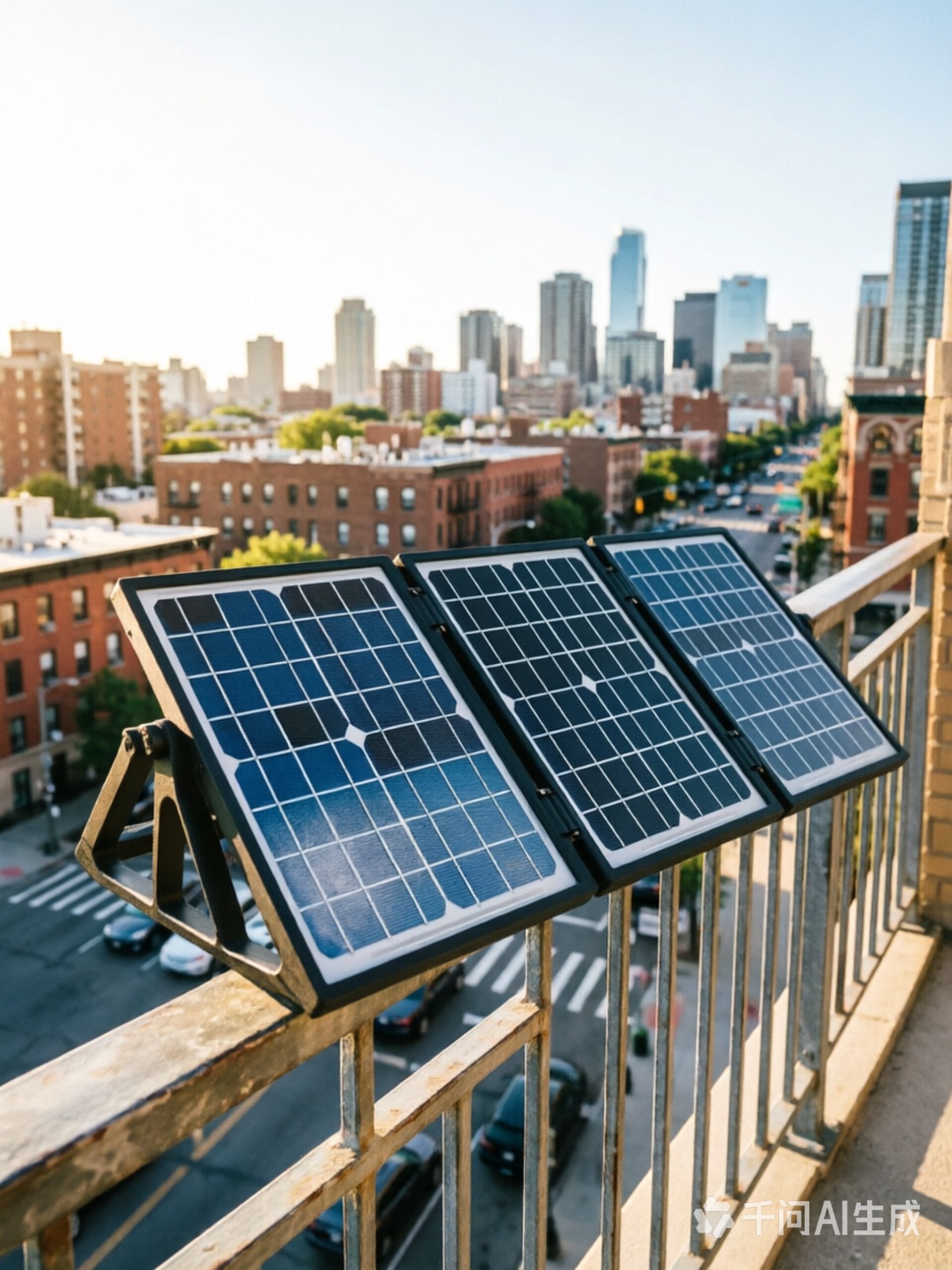
For beginner-friendly, low-budget setups, a solar panel between 100W and 200W is the perfect starting point. This power range easily covers small daily devices, including indoor lights, mobile phones, and laptops. A standard 100W panel usually costs around $80 to $150.
When shopping, prioritize monocrystalline models. They work more efficiently in regular sunlight and come with a longer service life, making them more reliable for long-term home use.
Step 2: Purchase a Charge Controller
A charge controller acts as a key middle piece between your solar panel and battery. It stabilizes incoming solar power and stops the battery from overcharging, which greatly prolongs your battery’s overall lifespan.
Basic PWM controllers are budget-friendly, priced at roughly $20 to $50. If you want better energy conversion efficiency, MPPT controllers perform better, though they cost a bit more at $80 to $150.
Step 3: Equip a Storage Battery
Solar panels only generate power during the day, so a battery is necessary to store excess energy. This stored power lets you use your devices at night or on cloudy, low-sunlight days.
Deep-cycle lead-acid batteries are the most economical choice for beginner systems. A standard 50Ah battery costs about $120 to $200, which holds enough power to run basic lights and phone chargers through the whole night.
Step 4: Add an Inverter (Optional)
Whether you need an inverter depends entirely on what you plan to power. Inverters convert stored DC battery power into AC power for common household devices like laptops and small electric fans. A stable 300W pure sine wave inverter typically ranges from $60 to $120.
If you only need to charge USB devices such as phones and power banks, you can skip the inverter entirely and use a simple USB adapter instead to save money.
Step 5: Assemble and Connect All Components
The whole connection process is straightforward and beginner-friendly. Follow this simple order: connect the solar panel to the charge controller, link the controller to the battery, and finally connect the battery to the inverter.
All standard solar system parts come with detailed installation instructions. You don’t need professional electrical experience to finish the setup safely and correctly.
Sample Budget Breakdown
Here is a complete cost example for a basic functional setup:
- 100W solar panel: $120
- PWM charge controller: $30
- 50Ah deep-cycle battery: $160
- 300W inverter: $90
- Cables and connectors: $40
Total Cost: $440
Basic Safety Tips
Simple safety checks will keep your small solar system stable and safe to use long-term:
- Place the battery in a dry, well-ventilated spot indoors
- Use matching wire gauges that fit your system’s power load
- Install a fuse between the battery and inverter for overload protection
- Keep the solar panel surface clean and free of shade buildup
Conclusion
You don’t need a large budget or expensive equipment to start using solar power at home. A compact, low-cost solar system like this can run all your daily essential devices, cut down your monthly electricity expenses, and provide reliable backup power during unexpected blackouts.
It’s best to start small and get familiar with how each component works. You can gradually upgrade and expand your solar setup anytime as your household power needs increase.
FAQ
How much does a small home solar system cost?
A basic 100W setup with a PWM controller, a 50Ah battery, a small inverter and cabling comes to roughly $440. Stepping up to a 200W panel and an MPPT controller usually pushes the total to around $700-$900.
How much power can a 100W system produce?
In a sunny location, expect roughly 300-400Wh on a good day, which covers LED lighting, phone charging and a laptop. Appliances with a heating element, such as a kettle, are far beyond a system this size.
Can I connect a small solar system to my house wiring?
Not directly. Small off-grid kits are designed to run separate circuits. Feeding power into your home wiring needs a grid-tied inverter, proper permits and a licensed electrician.
Do I need an inverter in a small solar system?
Only if you want to run AC appliances. If everything you power runs on USB or 12V DC, you can skip the inverter and save both money and conversion losses.