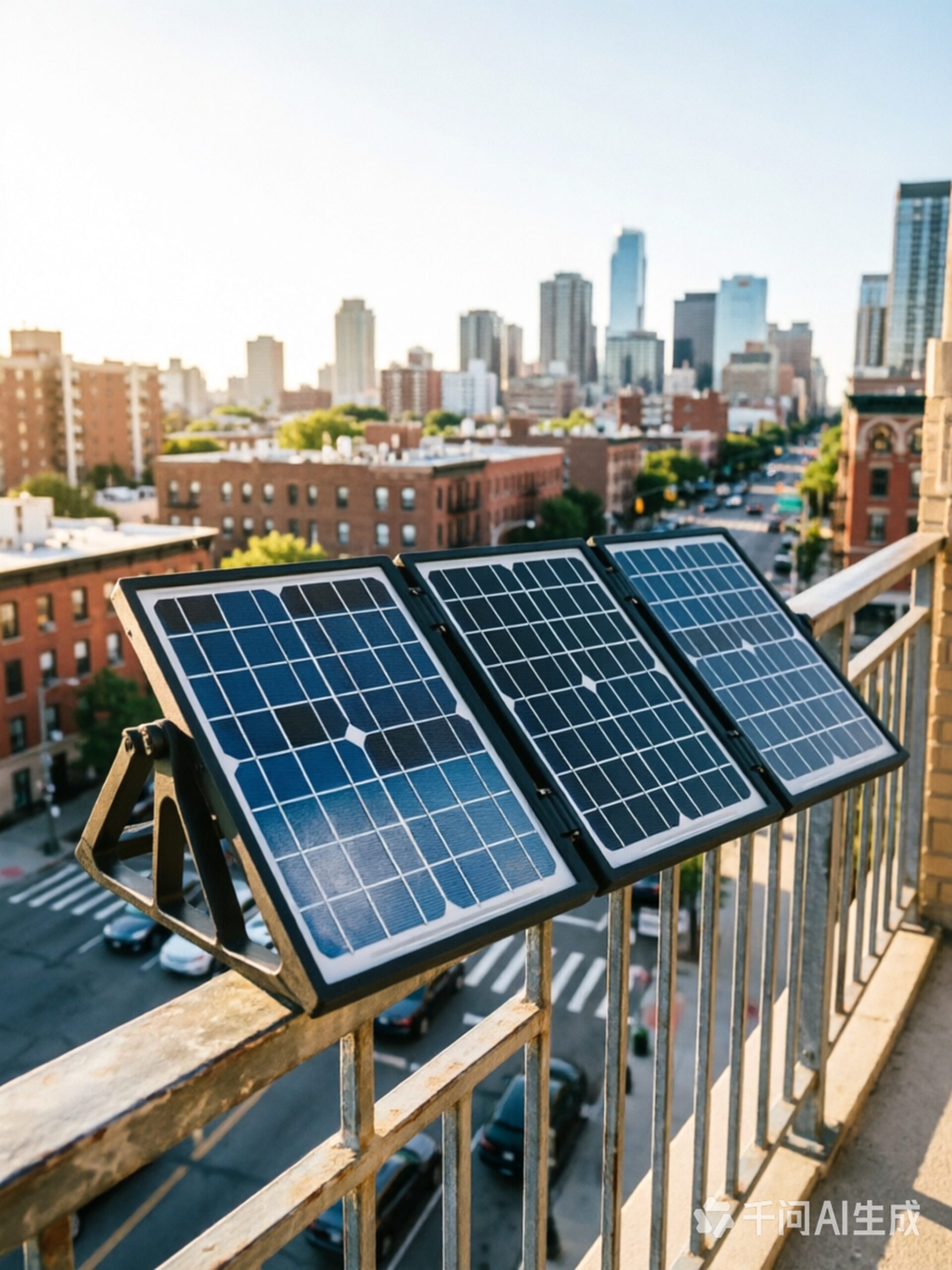
TL;DR: Running a home entirely on solar is possible but expensive: a typical home needs 5-10kW of panels (15-30 units) plus a 10-20kWh battery bank and often a backup generator for cloudy stretches. For most homeowners, grid-tied or hybrid solar is the smarter choice — it still cuts bills by 50-80% without the cost and risk of going fully off-grid.
Many people dream of cutting their electricity bill to zero. But can a home actually run on solar power alone? The answer depends on a few key factors.
What Running on Solar Alone Means
Going fully off-grid means your home produces all the electricity it needs from solar panels and stores it in batteries for nighttime and cloudy days. You are disconnected from the utility grid entirely.
Is It Possible?
Yes, but it requires careful planning and a significant upfront investment. Most homes that go off-grid are in remote areas where connecting to the grid is expensive. For city homes, staying connected to the grid while using solar is often more practical.
What You Need for Full Solar
A Large Solar Array
A typical home uses 10-30 kWh per day. To generate that much power, you need about 5kW to 10kW of solar panels. That is roughly 15 to 30 panels, depending on their wattage.
Battery Storage
Without batteries, you only have power when the sun is shining. To run your home at night, you need a battery bank. A 10kWh to 20kWh battery system costs significantly more than the panels themselves.
Backup Power
Even with a large system, extended cloudy periods can drain your batteries. Many off-grid homes keep a small backup generator for emergencies.
The Realistic Approach
Grid-Tied Solar
Most homeowners choose a grid-tied system. You install solar panels, use the power they generate during the day, and draw from the grid at night. When your panels produce more than you need, the excess is sent back to the grid.
This approach costs much less than going off-grid and still reduces your electricity bill by 50-80%.
Hybrid Solar
A hybrid system includes solar panels, batteries, and a grid connection. You store energy for nighttime use but still have the grid as backup. This is the most popular choice for homeowners who want energy independence without the risk of going fully off-grid.
Conclusion
Running your home on solar power alone is technically possible but expensive. For most homeowners, a grid-tied or hybrid system offers the best balance of cost savings and energy independence. Start with a smaller system and expand over time as your budget allows.
FAQ
Can a home run on solar power alone?
Yes, but it needs a 5-10kW array, a 10-20kWh battery bank, and often a backup generator for cloudy stretches. The upfront cost is high.
Why don’t most homeowners go fully off-grid?
Batteries are expensive, and extended cloudy periods can drain them. Grid-tied solar costs far less while still cutting bills by 50-80%.
How many panels do I need to power a whole home?
A typical home using 10-30 kWh per day needs about 15 to 30 panels (5-10kW), depending on panel wattage and local sun.
Do I need a battery to run my home on solar?
Yes, if you want power at night. Without storage, you only generate while the sun shines.
What is the best option for most homes?
A hybrid system — solar plus batteries with the grid as backup — offers the best balance of savings, independence, and reliability.