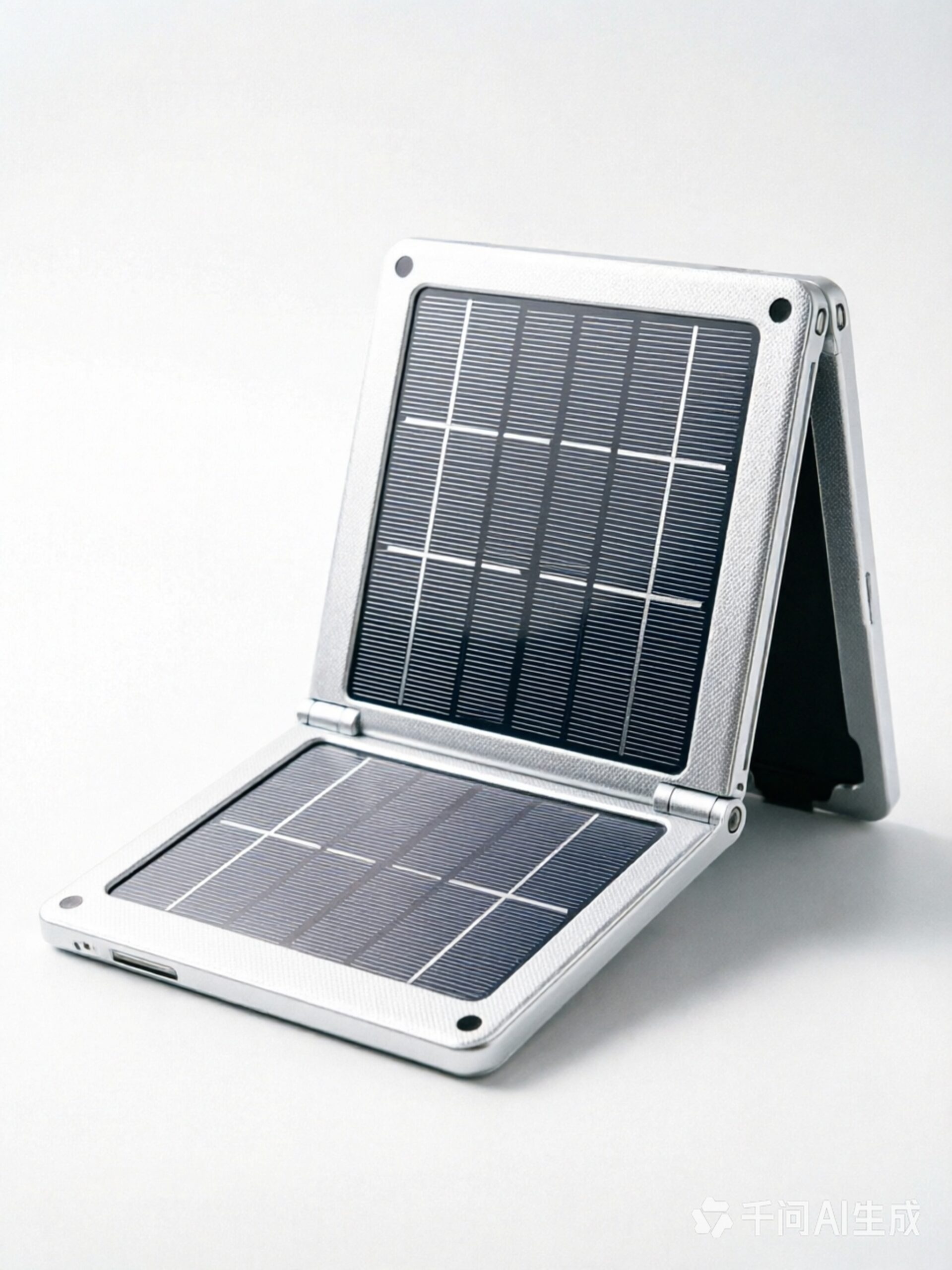
TL;DR: Leasing solar panels means zero upfront cost and included maintenance, with a payment that usually starts below your old power bill. The trade-offs are the ones people miss. The term runs 20-25 years, the payment carries an annual escalator that compounds – at 2.9% a $100 payment becomes about $199 by year 25, and a $30,000 total becomes roughly $43,100. The leasing company claims the 30% federal tax credit, not you. And the transfer clause can slow down a house sale. If you can afford to buy, ownership wins on the 25-year numbers; a lease fits a limited budget or a short horizon.
Not every homeowner can cover the cost of solar panels all at once. Leasing offers an alternative path to use solar energy without a large upfront bill. Still, this arrangement has both positives and negatives you should think through before signing any paperwork.
What Is a Solar Lease?
A solar lease is a formal agreement with an external company. The company owns all the equipment and installs solar panels on your roof. You pay a set monthly fee to use the electricity the panels generate. Any maintenance work or necessary repairs fall to the leasing company, not you.
Lease, Loan or Cash: The Three Routes Side by Side
| Lease | Buy with cash | Buy with a loan | |
|---|---|---|---|
| Upfront cost | $0 | $15,000-$30,000 | $0-$2,000 |
| Who owns the system | The leasing company | You | You |
| Who receives the 30% federal tax credit | The leasing company | You | You |
| Monthly payment | $70-$150, rising every year with the escalator | $0 after purchase | $100-$200 for 10-15 years, then $0 |
| Maintenance and repairs | Included | Yours | Yours |
| Adding a battery later | Usually not, or only through the leasing company | Yes | Yes |
| Selling the house | The buyer has to qualify for, or buy out, the lease | Adds value, nothing to transfer | Same as cash, plus the remaining balance |
| 25-year total cost | Often higher than buying | Lowest | Low, plus interest |
Pros of Leasing
No Upfront Cost
You pay nothing for installation. This makes solar power accessible to people who lack the funds to purchase a full system at the beginning.
Maintenance Is Included
The leasing company monitors the system and handles all repairs. If something breaks down unexpectedly, you will not face separate service charges.
Lower Monthly Electricity Bills
Your monthly lease payment is generally cheaper than buying the same amount of power from the utility provider. You can see savings starting from your first month with the system.
Cons of Leasing
Smaller Savings Over the Long Run
If you calculate costs across many years, buying a solar system will save you more money. Lease contracts often run for 20 to 25 years, meaning you keep making payments the entire time. Once you pay off a system you own, the power it creates costs nothing extra.
Complications When Selling Your Home
If you decide to move and sell the house, the new buyer must agree to take over the existing lease. Many buyers feel hesitant to take on this obligation, and this can make your property harder to sell.
Limited Gain From Higher Energy Prices
When you own your panels, your savings grow as public electricity rates increase. Lease terms lock in your payment structure. You will not get extra financial benefits when regular power becomes more expensive.
The Escalator Clause: The Number to Read First
Most leases are not a flat monthly figure. They carry an annual escalator, usually between 1% and 3%, and it compounds. That one number decides whether the deal looks better or worse in year 20 than it did in year 1.
| Annual escalator | Payment in year 1 | Payment in year 10 | Payment in year 25 | Total paid over 25 years |
|---|---|---|---|---|
| 0% | $100 | $100 | $100 | $30,000 |
| 1.9% | $100 | $118 | $157 | $38,000 |
| 2.9% | $100 | $129 | $199 | $43,100 |
Read that table with one fact in mind: the leasing company is comparing their payment to the utility rate. If the escalator is 2.9% and utility rates rise 5% a year, the gap widens in your favour and the lease keeps looking cheap. If utility rates stay flat, the escalator eats the saving, and by year 15 you can be paying more than the grid would have cost you.
So ask for the escalator in writing, and ask whether it is fixed or tied to an index. A fixed escalator is worth more than it sounds.
What Happens When You Sell the House
A leased system does not simply transfer with the house. There are three routes, and only one of them is easy.
- The buyer assumes the lease. They have to pass the leasing company’s credit check and accept the remaining term, escalator included. This is the common case, and it is the one that delays closings.
- You buy the system out and sell the panels with the house. Possible, but the buyout price is set by the leasing company and is rarely generous.
- You keep paying after you move. Legally possible, financially painful, and the reason some sellers end up discounting the house to get it sold.
The practical consequence: a leased system can make a house slower to sell, and in some cases worth less than an owned system that does the same job. If there is any chance you move inside the term, read the transfer clause before you sign, not after. Our guide to selling a house with solar panels walks through the paperwork.
What Happens at the End of the Term
At the end of a 20-25 year lease you have three options, and none of them is “the panels are now yours”.
- Buy the system out. The price at that point is usually the fair market value of the array, which on a 20-year-old system can still be a four-figure sum.
- Extend the lease. Some companies roll it over, usually at a lower rate.
- Ask for removal. You can request it, and the removal cost is worth understanding in advance rather than at the end.
It is worth being clear about what 25 years of payments buys you: at the point you stop paying, a leased array is typically past most of its useful life. What happens when a solar lease ends covers the end-of-term choices in more detail.
Buying vs Leasing Solar Panels at a Glance
Buying
- Higher costs to get started
- You hold full ownership of the system
- Free electricity once you recover your initial spending
- Creates a bigger increase in home value
- Simpler process when selling your home
Leasing
- No money required upfront
- The solar company owns the equipment
- Monthly savings stay fixed by contract
- Smaller improvement to property value
- May create hurdles during home sales
The 25-Year Math, Both Ways
Same system both times: a 7 kW array. One route is a lease at $100 a month with a 2.9% escalator. The other is a loan at $150 a month over 12 years. These are illustrative figures, not a quote for your house.
| Lease (2.9% escalator) | Loan (12 years) | |
|---|---|---|
| Monthly payment, year 1 | $100 | $150 |
| Monthly payment, year 13 | $144 | $0 |
| Monthly payment, year 25 | $199 | $0 |
| Total paid | $43,100 | $21,600 |
| Who owns the array at the end | The leasing company | You |
| Cost of power after the last payment | Still paying | Essentially free |
The difference is not in the year 1 payment. It is in year 13, when the loan stops and the lease does not. That is the whole argument, and it is worth running with your own numbers before you sign anything – solar loans and financing sets out what the alternatives look like.
Five Questions to Ask Before You Sign
- What is the escalator, and is it fixed? Everything else follows from this number.
- Is there a production guarantee? Ask what happens, in dollars, if the array underperforms for a month.
- What is the buyout formula if you sell, or want out early?
- What credit score do they want, and does the agreement put a lien or a UCC-1 filing on the property? Tell your mortgage lender before you sign, not after.
- Can you add a battery later? On a leased system the answer is often no. If storage is on your roadmap, see solar panels with battery backup.
Conclusion
Leasing is a solid choice if you cannot afford to buy solar panels right away. It still lowers your regular electricity expenses. That said, purchasing the system delivers stronger long-term savings and raises your home value more noticeably, if your budget allows. Take time to consider your finances and how long you plan to stay in the home before you make your decision.
FAQ
Is leasing solar panels a good idea?
Leasing is good if you can’t afford the upfront cost and want included maintenance. Buying delivers larger long-term savings and more home value if your budget allows.
Who owns the system under a solar lease?
The solar company owns the equipment. You pay a monthly fee to use the power it generates.
What happens to a solar lease when I sell my house?
The new buyer usually must take over the lease, which can make the sale harder. Check the transfer terms before signing.
Does leasing include maintenance?
Yes. The leasing company monitors the system and handles repairs at no extra charge to you.
How long are solar lease contracts?
Most leases run 20 to 25 years, so you keep making payments for the full term rather than owning the system outright.
Do leased panels increase home value?
Less than owned panels do. Buying typically adds more property value than leasing.
What is the escalator on a solar lease?
The yearly percentage increase in your lease payment, usually between 1% and 3%. It compounds. A 2.9% escalator takes a $100 payment to about $199 by year 25, and turns a $30,000 total into roughly $43,100.
Can I get out of a solar lease early?
Usually by buying the system out. The buyout price is set by the leasing company and is typically not cheap in the early years, because it covers the tax credit they claimed plus their margin. Find the buyout formula in the contract before you sign, not when you want to leave.
Does a solar lease affect my credit or my mortgage?
Leasing companies run a credit check, and most want a score around 650 or better. Many also file a UCC-1 fixture filing against the property, which your lender will see. Tell your mortgage company before you sign anything.
Can I add a battery to a leased system?
Usually only through the leasing company, and sometimes not at all. If storage is part of your plan, that on its own is a reason to buy rather than lease.
Related: What Happens When a Solar Lease Ends
3 thoughts on “The Pros and Cons of Leasing Solar Panels”