TL;DR: A solar lease lets you go solar with zero upfront cost and includes maintenance, with payments usually below your old power bill. The trade-offs: smaller lifetime savings, a 20-25 year payment term, less home-value boost, and lease-transfer hurdles when selling. If you can afford to buy, ownership wins long-term; leasing fits limited budgets.
Not every homeowner can cover the cost of solar panels all at once. Leasing offers an alternative path to use solar energy without a large upfront bill. Still, this arrangement has both positives and negatives you should think through before signing any paperwork.
What Is a Solar Lease?
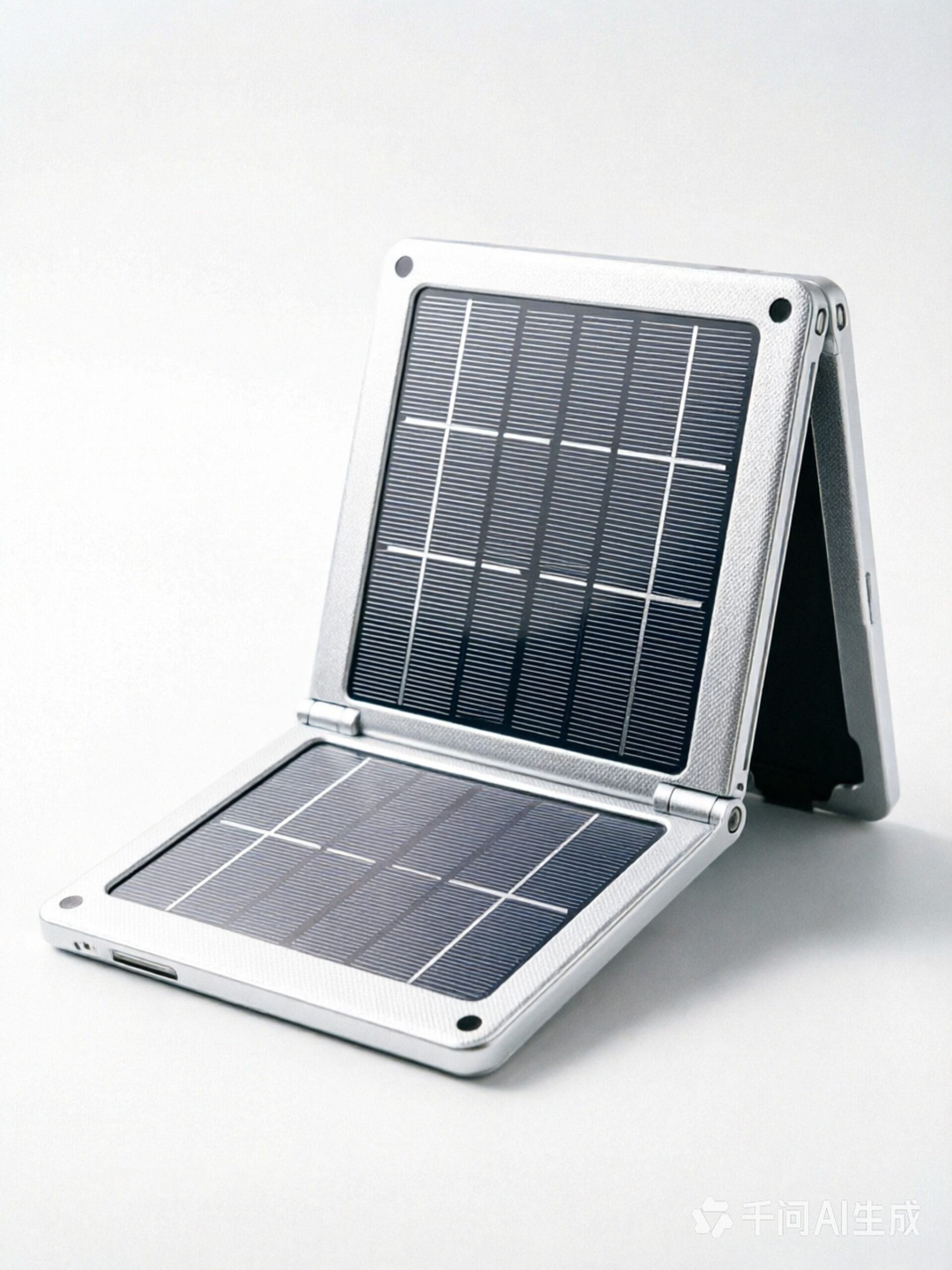
A solar lease is a formal agreement with an external company. The company owns all the equipment and installs solar panels on your roof. You pay a set monthly fee to use the electricity the panels generate. Any maintenance work or necessary repairs fall to the leasing company, not you.
Pros of Leasing
No Upfront Cost
You pay nothing for installation. This makes solar power accessible to people who lack the funds to purchase a full system at the beginning.
Maintenance Is Included
The leasing company monitors the system and handles all repairs. If something breaks down unexpectedly, you will not face separate service charges.
Lower Monthly Electricity Bills
Your monthly lease payment is generally cheaper than buying the same amount of power from the utility provider. You can see savings starting from your first month with the system.
Cons of Leasing
Smaller Savings Over the Long Run
If you calculate costs across many years, buying a solar system will save you more money. Lease contracts often run for 20 to 25 years, meaning you keep making payments the entire time. Once you pay off a system you own, the power it creates costs nothing extra.
Complications When Selling Your Home
If you decide to move and sell the house, the new buyer must agree to take over the existing lease. Many buyers feel hesitant to take on this obligation, and this can make your property harder to sell.
Limited Gain From Higher Energy Prices
When you own your panels, your savings grow as public electricity rates increase. Lease terms lock in your payment structure. You will not get extra financial benefits when regular power becomes more expensive.
Buying vs Leasing at a Glance
Buying
- Higher costs to get started
- You hold full ownership of the system
- Free electricity once you recover your initial spending
- Creates a bigger increase in home value
- Simpler process when selling your home
Leasing
- No money required upfront
- The solar company owns the equipment
- Monthly savings stay fixed by contract
- Smaller improvement to property value
- May create hurdles during home sales
Conclusion
Leasing is a solid choice if you cannot afford to buy solar panels right away. It still lowers your regular electricity expenses. That said, purchasing the system delivers stronger long-term savings and raises your home value more noticeably, if your budget allows. Take time to consider your finances and how long you plan to stay in the home before you make your decision.
FAQ
Is leasing solar panels a good idea?
Leasing is good if you can’t afford the upfront cost and want included maintenance. Buying delivers larger long-term savings and more home value if your budget allows.
Who owns the system under a solar lease?
The solar company owns the equipment. You pay a monthly fee to use the power it generates.
What happens to a solar lease when I sell my house?
The new buyer usually must take over the lease, which can make the sale harder. Check the transfer terms before signing.
Does leasing include maintenance?
Yes. The leasing company monitors the system and handles repairs at no extra charge to you.
How long are solar lease contracts?
Most leases run 20 to 25 years, so you keep making payments for the full term rather than owning the system outright.
Do leased panels increase home value?
Less than owned panels do. Buying typically adds more property value than leasing.
2 thoughts on “The Pros and Cons of Leasing Solar Panels”