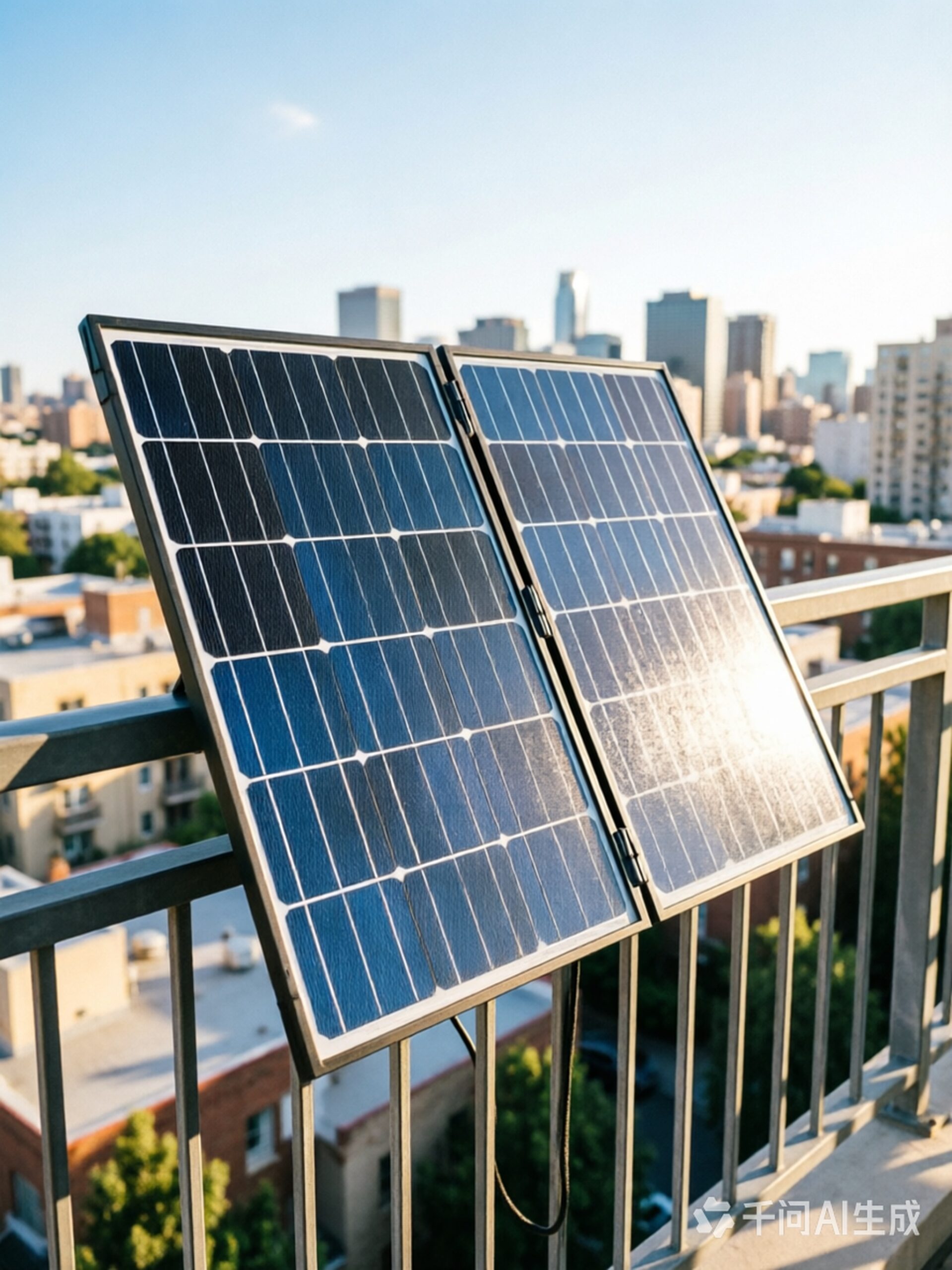
TL;DR: In the Northern Hemisphere, face panels true south and set tilt close to your latitude (add 15° in winter, subtract 15° in summer if adjustable). South-east and south-west roofs work almost as well, and being within about 15° of the ideal angle only costs a few percent of output.
Solar panel orientation and tilt are the two factors that decide how much sunlight your array actually catches. Get them roughly right, and you capture the vast majority of the energy your roof can offer. Here is how to set both for your home.
Why Orientation and Tilt Matter
Solar panels produce the most power when sunlight hits them straight on. Orientation controls which direction the panels face, while tilt controls the angle between the panel and the ground. The sun’s path changes with your location and the seasons, so matching both settings to your roof’s position makes a real difference to yearly output.
Which Direction Should Solar Panels Face?
Direction matters more than tilt. In the Northern Hemisphere, panels should face true south to catch the most sunlight through the middle of the day. In the Southern Hemisphere, face them true north instead.
If your roof doesn’t point exactly south, don’t worry. South-east and south-west facing panels still perform well — they just shift some production to the morning or the afternoon. East-west facing roofs produce less total energy, but they generate useful power earlier and later in the day, which can be valuable on time-of-use electricity plans.
What Is the Best Tilt Angle?
A simple rule covers most homes: set the tilt roughly equal to your latitude. If you live at 35° latitude, tilt the panels to about 35°. Near the equator, keep panels fairly flat at 10-15°. Higher latitudes need steeper angles to catch the lower winter sun.
For a fixed, year-round setup, latitude-matched tilt gives balanced, dependable output. If your panels are already mounted flat against a sloped roof, the roof pitch often lands close enough to this ideal.
Should You Adjust Tilt Seasonally?
Panels on adjustable mounts can be re-tilted twice a year for a small output boost:
- Winter: latitude plus 15 degrees
- Summer: latitude minus 15 degrees
At 40° latitude, that means roughly 55° in winter and 25° in summer. The gain is modest, so only bother if your mounting hardware makes the change easy and safe.
What If Your Roof Isn’t Ideal?
Most homes use the roof they have. If your roof faces south-east instead of due south, or your roof pitch is a little flatter than your latitude, you will still get solid performance. Being within about 15 degrees of the ideal direction or tilt costs only a few percent of your total output. Options such as tilt-mounting kits can correct a poor angle, but they add cost and are rarely worth it unless the mismatch is large.
Quick Checklist for Maximizing Output
- Face panels true south (or north, in the Southern Hemisphere)
- Set fixed tilt close to your local latitude
- Adjust by 15 degrees between seasons if your mount allows it
- Avoid heavy shade from trees, chimneys, and nearby buildings
- Keep panels clean so they capture all available light
Conclusion
You don’t need a perfect setup to make solar worthwhile. Point your panels in the right general direction, match the tilt to your latitude, and avoid shade. Those simple choices capture most of the energy your roof can produce, year after year.
FAQ
Which direction should solar panels face?
In the Northern Hemisphere, face panels true south for maximum output. In the Southern Hemisphere, face them true north.
What is the best tilt angle for solar panels?
Set a fixed tilt close to your local latitude. If you can adjust the mount, add 15 degrees in winter and subtract 15 degrees in summer.
Is an east- or west-facing roof bad for solar?
No. It produces less total energy than a south-facing roof, but spreads generation across morning and evening, which can suit time-of-use electricity plans.
How much output do I lose if my roof isn’t perfectly positioned?
Not much. Being within about 15 degrees of the ideal direction or tilt only costs a few percent of total yearly output.
Should I change my panel tilt every season?
Only if your mounting hardware makes it easy and safe. The seasonal gain is modest, so fixed latitude-matched tilt is fine for most homeowners.
Does panel angle matter more than direction?
No. Direction usually has a bigger impact. Start by facing panels the right way, then match the tilt to your latitude.
Check the latest price on Amazon