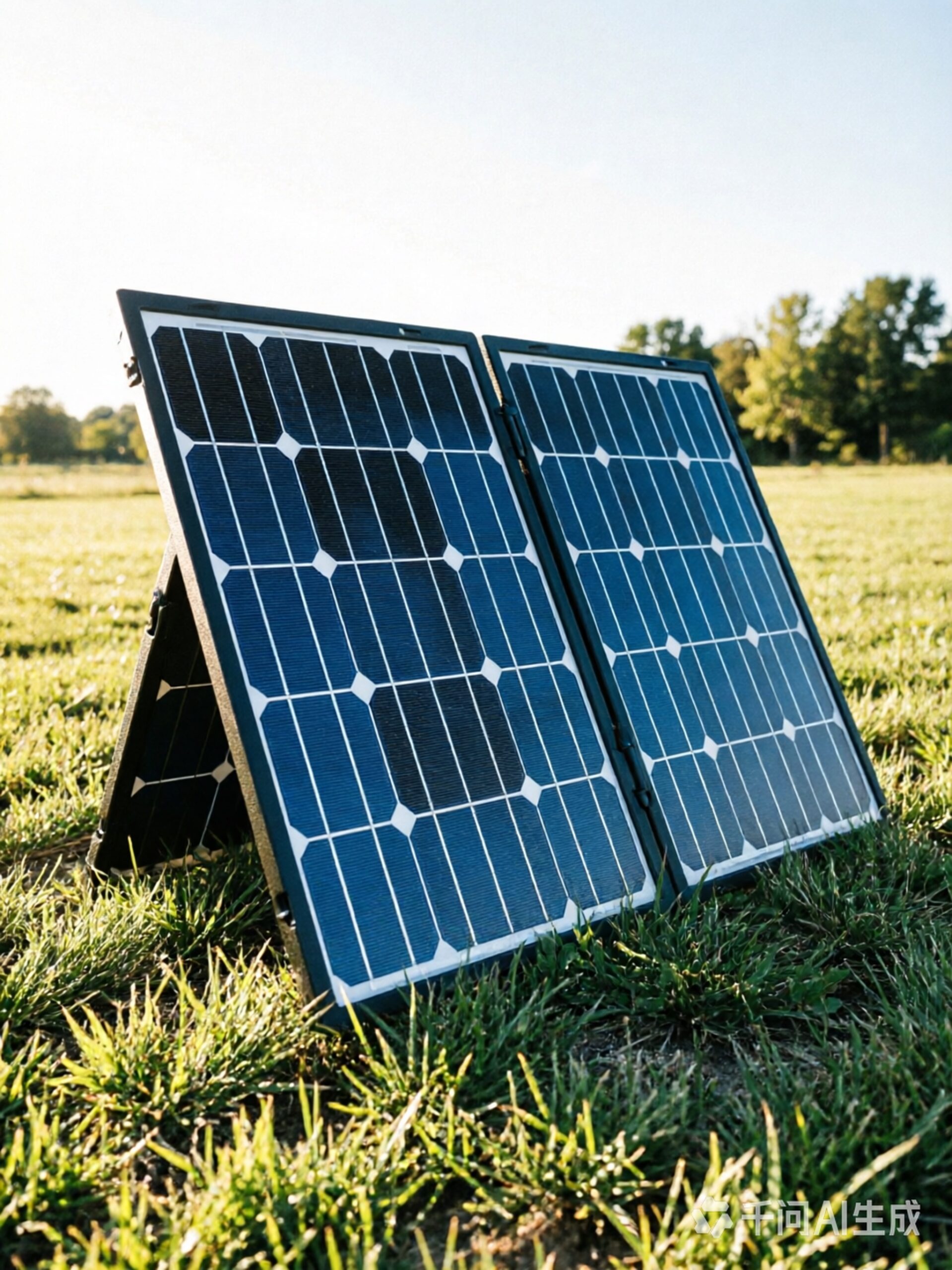
TL;DR: Set a fixed tilt roughly equal to your local latitude for balanced year-round output. If your mount is adjustable, add 15° in winter and subtract 15° in summer. Getting the angle right can boost total production by 10-25%.
The tilt angle of your solar panels has a real‑world impact on how much electricity you can generate. Getting this setting right can boost your total energy output anywhere from 10% to 25%. If you are unsure what angle works best for your location, keep reading for practical guidance.
The Basic Rule of Thumb For fixed‑mount solar systems that you will not adjust throughout the year, your ideal tilt angle sits roughly equal to your local latitude.
- If your home sits at 30 degrees latitude, set panels to around 30 degrees
- At 40 degrees latitude, aim for a 40‑degree tilt
- Close to the equator (0‑10 degrees latitude), stick to a shallow angle between 10 and 15 degrees
This simple setup delivers solid, balanced performance all year long, with no extra manual work required.
Making Seasonal Adjustments Some mounting hardware lets you re‑tilt panels as seasons change, and this tweak can squeeze out extra power. You can follow these easy guidelines:
‑ Winter: latitude plus 15 degrees ‑ Spring and Fall: match your latitude ‑ Summer: latitude minus 15 degrees
Take 40 degrees latitude as an example. In winter you would use 55 degrees, a steeper angle to catch the low‑hanging winter sun. Come summer, drop it down to 25 degrees to align with the much higher sun position.
Why panel tilt actually matters Solar panels hit peak output when sunlight lands directly against their surface. Panels lying flat lose efficiency, since sunlight strikes them at a slanted angle. Tilting your panels toward the sun increases the amount of light they capture and turns more of that sunlight into usable power.
The sun sits low across the sky in winter, so sharper tilt angles help capture more light. During summer months, the sun rises much higher, and a gentler tilt works far better.
Finding your local latitude You do not need special tools to pull up this number. A few quick options are available: ‑ Run a web search for “latitude [your city name]” ‑ Open Google Maps, right‑click any spot to pull up geographic coordinates ‑ Check built‑in GPS or weather applications on your phone
What if you cannot change your tilt angle? Most rooftop solar installations use a fixed tilt and cannot be repositioned. There is nothing wrong with this approach. Matching your tilt to local latitude still gives you reliable year‑round results. You will give up a small amount of possible production in peak winter and summer, yet for most households, that gap is fairly minor.
No‑fuss quick reference If you prefer skipping all the math: ‑ Fixed permanent tilt: use your local latitude ‑ Winter setting (adjustable mounts only): latitude +15 degrees ‑ Summer setting (adjustable mounts only): latitude −15 degrees
Wrapping up Your solar panel tilt can make a noticeable difference in total energy production. For most homeowners, locking in a fixed angle matching your latitude is the simplest, most effective solution. If you have adjustable mounting hardware, apply the seasonal formulas above to maximize power generation every single month of the year.
AQ
What is the best tilt angle for solar panels?
For a fixed system, use an angle roughly equal to your local latitude. If you can adjust the mount, set it to latitude plus 15 degrees in winter and latitude minus 15 degrees in summer.
How much difference does the tilt angle really make?
A well-set tilt can boost your total energy output by 10-25%. Flat panels lose efficiency because sunlight hits them at a slanted angle.
Should I change my panel tilt in winter?
Only if your mounting hardware is adjustable. Add 15 degrees to your latitude for winter to catch the lower sun, and subtract 15 degrees in summer. Fixed rooftop systems work fine at a latitude-matched angle all year.
I can’t change my roof panels — is that a problem?
No. Most rooftop systems use a fixed tilt and still perform well. You only give up a small amount of production at the seasonal extremes.
How do I find my local latitude?
Search online for “latitude [your city]”, right-click any spot in Google Maps, or check the GPS or weather app on your phone.
Do solar panels need to face a certain direction too?
Yes, direction matters as much as tilt. In the Northern Hemisphere, face panels toward true south for maximum output; in the Southern Hemisphere, face them north.