TL;DR: Most sheds and tiny homes use only 300-800 watt-hours per day, so a compact system handles it: a 200-400W panel, MPPT charge controller, a 100-200Ah deep-cycle battery, and a 300-1000W pure sine wave inverter. A basic setup costs about $400-$500, runs your lights and tools, and ends your electricity bill for that space.
Sheds, tiny homes, workshops, and remote cabins are all great candidates for solar power. Compact off-grid setups are reasonably priced and not overly complicated to put together. Let’s walk through everything you should know to build one.
Figuring Out Your Power Requirements
Figuring out your power requirements is your first step. Jot down every device you plan to run off the system:
- LED lights: 5-10W per unit
- Phone charger: 10-20W
- Laptop: 60W
- Compact fridge: 80W
- Power tools: 500-1500W (only draws power while actively running)
- Water pump: 100-300W
Most sheds and tiny homes sit somewhere between 300-800 watt-hours of daily energy consumption. A compact solar setup can comfortably handle this level of demand.
Key Components to Gather
Solar Panels
For the average shed or tiny home, panels rated between 200W and 400W will do the job. Monocrystalline panels are the better pick when working with limited space, thanks to their higher efficiency.
Charge Controller
Go with an MPPT charge controller if you can. It pulls the maximum available power from your panels while shielding your battery from damage caused by overcharging.
Battery
You will need a deep-cycle battery to hold energy for nights and cloudy days. A 100Ah lithium battery delivers roughly 1200Wh of usable energy. If you are kitting out a tiny home, aim for 100-200Ah as your starting point.
Inverter
An inverter turns battery DC power into AC power to run standard household devices. A 300W to 1000W pure sine wave inverter will cover most everyday-use scenarios.
Step-by-Step Installation Process
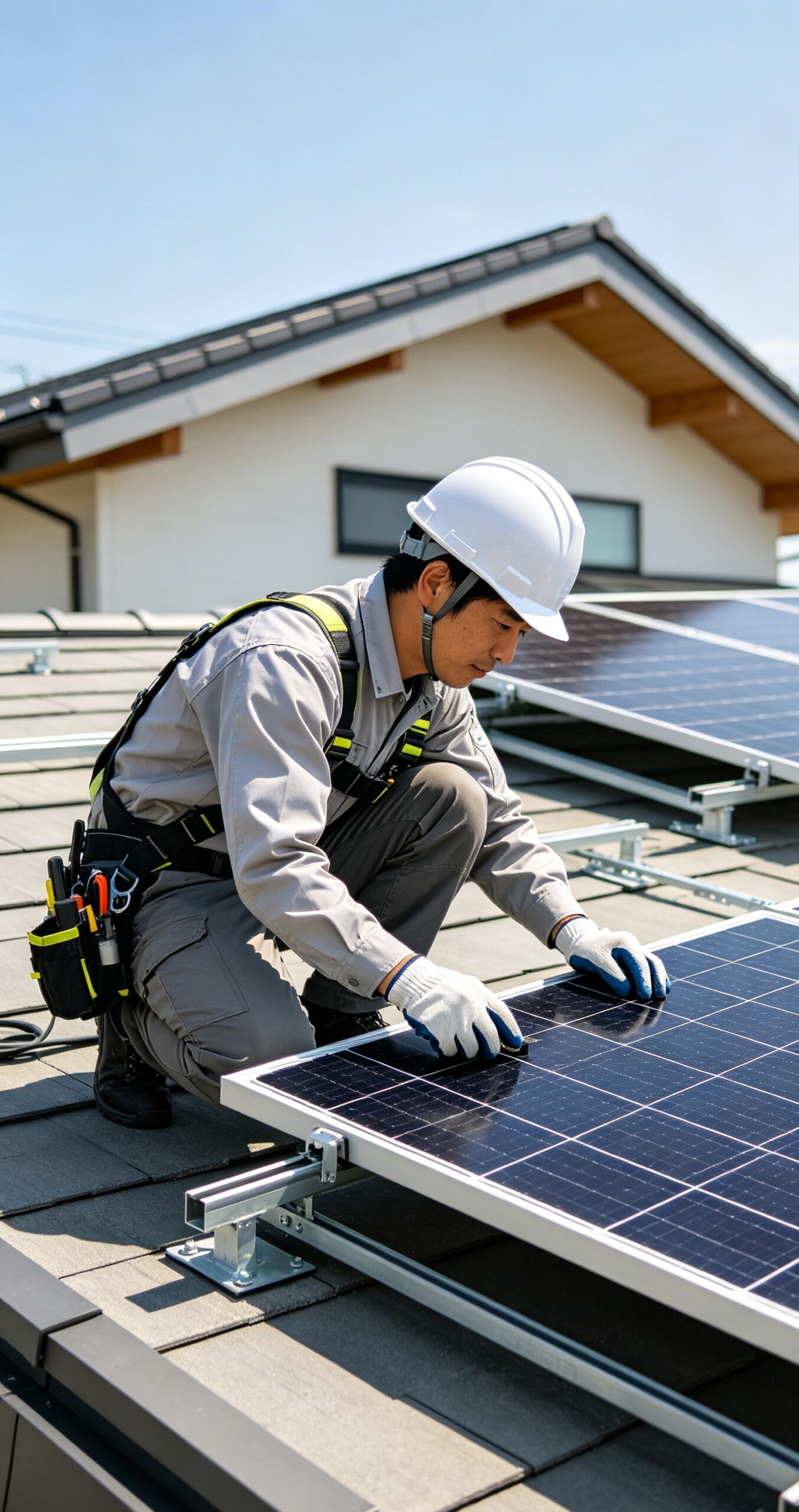
- Mount your solar panels. Fix panels onto a roof or ground-mount rack where they can get consistent sunlight.
- Wire up the charge controller. Run cables from your panels to the controller, and double-check you match up positive and negative polarity correctly.
- Hook up the battery. Link the battery to the charge controller. This unit will oversee all battery charging cycles.
- Attach the inverter. Connect the inverter directly to the battery to access AC household power.
- Fit safety fuses. Fit fuses on the line between battery and inverter — this is a critical safety measure.
- Wire lights and power outlets. Finish by connecting your lights and wall outlets to the finished system.
Sample Cost Breakdown
- 300W solar panel: about $120
- MPPT charge controller: about $40
- 100Ah lithium battery: about $210
- 500W inverter: about $55
- Cables, fuses and hardware connectors: about $40
Total: roughly $465
Handy Practical Tips
- Make sure panels receive four to six hours of direct sunlight each day
- Store your battery in a well-ventilated spot
- Keep panel surfaces clear of dust with regular cleaning
- You can start off with a smaller-size battery and add extra capacity further down the line
Closing Thoughts
Building an off-grid solar system for a shed or tiny home is both cost-effective and functional. With just a handful of core parts, you get lighting, power for hand tools, and reliable backup energy — all with zero monthly electricity bills.
FAQ
What size solar system do I need for a shed or tiny home?
Most sheds and tiny homes use 300-800 watt-hours per day. A 200-400W panel with a 100-200Ah battery comfortably covers that demand.
How much does an off-grid shed solar setup cost?
A complete basic system runs about $400-$500, including the panel, charge controller, battery, inverter, and wiring.
What battery do I need for a tiny home?
Start with a 100-200Ah deep-cycle lithium battery. A 100Ah unit provides roughly 1200Wh of usable energy, and you can expand later.
Do I need an MPPT charge controller?
It’s recommended. MPPT controllers draw maximum power from your panels and protect the battery from overcharging.
Can I run power tools off a shed solar system?
Yes, for intermittent use. Power tools draw 500-1500W while running, so size your inverter and battery for the tools you plan to use.
Can I expand my off-grid system later?
Yes. You can add panels and battery capacity over time as your power needs grow.
Related: Solar Powered Generators vs Solar Panels – What’s the Difference
1 thought on “Solar Power for Sheds and Tiny Homes – Complete Off-Grid Setup”