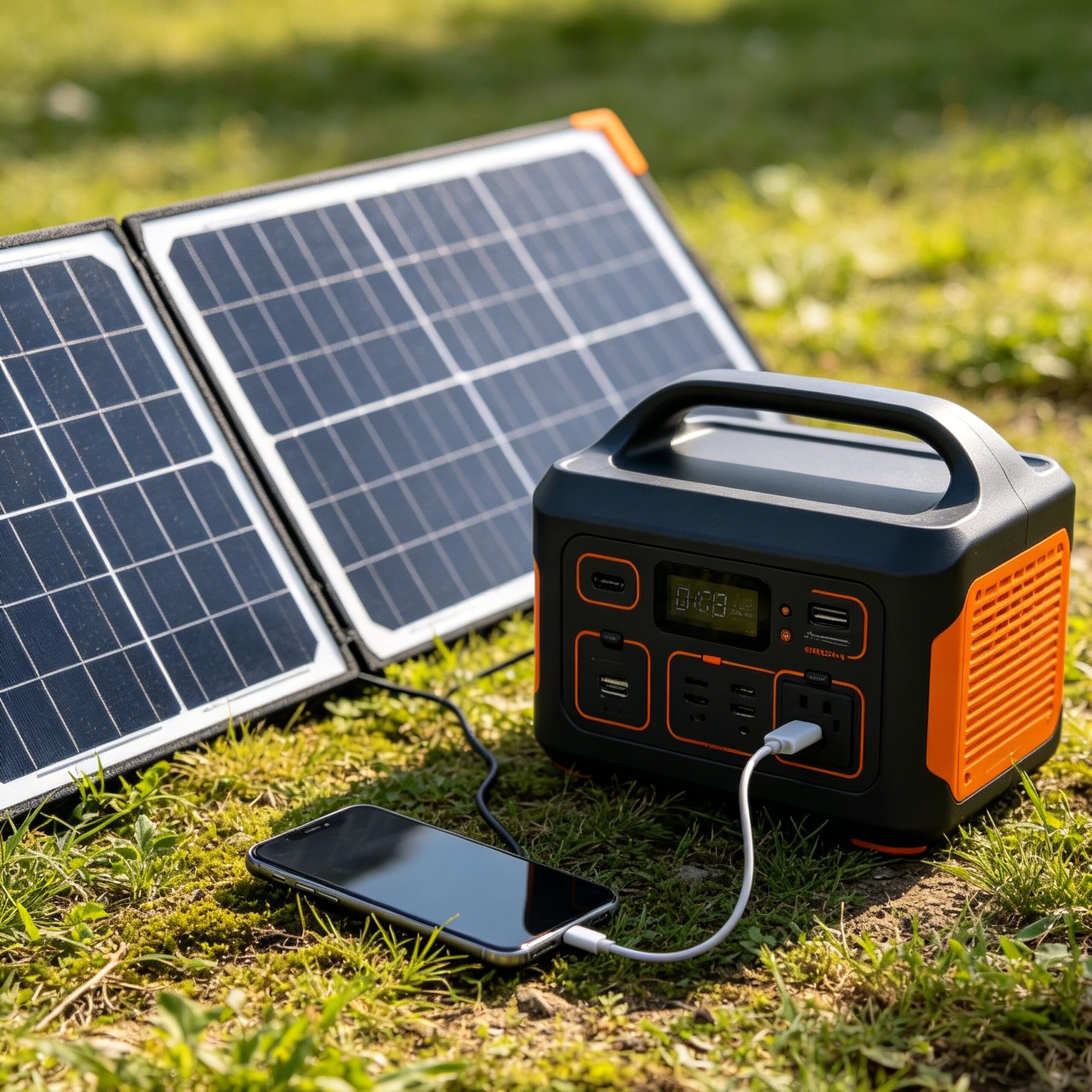
TL;DR: To charge an EV with solar, plan for a 6-10kW array on top of household usage. Level 2 home charging adds 30-60km of range per hour, and charging mid-day uses your peak solar output. With net metering you can skip battery storage; you only need a battery to charge from stored solar after dark.
Pairing solar panels with an electric vehicle is a clever way to slash fuel expenses while bringing down your carbon footprint. Below we walk through the key points for charging your EV using solar energy.
How Much Power Does an Electric Vehicle Actually Require?
Most standard EV batteries sit between 40-80 kWh. A full battery delivers roughly 200-500 kilometres of driving range. Charging an electric car draws a substantial amount of electricity.
If you want your solar setup to cover regular household consumption and EV charging, you will generally need a 6-10kW panel array.
Different Solar-Powered Charging Options
Level 1 Charging (Regular Household Outlet)
This adds around 8-16 km of driving range every hour. It works fine for overnight charging sessions, yet it is fairly slow.
Level 2 Charging (Dedicated Home EV Charger)
You gain approximately 30-60 km of range each hour with this setup. This is the go-to choice for most households, though it needs its own dedicated electrical circuit.
When running off solar, the most practical strategy is to charge your car in daytime hours, when your panels generate their peak power.
Is Battery Storage Mandatory?
If your utility offers net metering, you can charge your EV at night using credits earned from daytime solar generation. In this case, you do not have to invest in a large home battery bank.
Direct daytime solar-powered charging works perfectly well with zero batteries required. On the other hand, if you hope to charge your EV after dark purely from your solar harvest, battery storage becomes necessary.
System Sizing Guidelines
- Household electricity only: 5kW solar system
- Household use plus EV charging: 8-10kW solar system
- Household use + EV charging + battery backup: 10kW or larger
Quick Real-World Math
For an average EV driven 15,000 km each year, expect annual energy consumption of roughly 2,500-3,500 kWh. Adding an extra 2kW of solar panel capacity can supply this energy, depending on your local sun conditions.
Final Thoughts
Powering your electric vehicle with solar is both practical and budget-friendly. Match your system size to cover both home appliances and car charging. Whenever possible, charge through bright daylight hours. You can lean on net metering or battery storage for added flexibility. Ultimately, you get to run your vehicle using energy straight from the sun.
FAQ
How long does it take to charge an EV with solar?
With a Level 2 charger, expect roughly 30-60 km of range per hour during daylight. Charging speed depends on your charger type and how much solar power your panels produce.
What size solar system do I need to charge an EV?
Household use plus EV charging generally needs an 8-10kW system. An average EV driven 15,000 km per year needs about 2,500-3,500 kWh of extra energy annually.
Do I need a battery to charge my EV with solar?
No, if you charge during the day or have net metering. A battery is only needed to charge from stored solar power after dark.
Can I charge my EV at night with solar?
Yes, if you have battery storage or net metering credits earned from daytime solar generation.
Are there incentives for combining solar with an EV?
Many regions offer tax credits and rebates for both solar panels and home EV chargers. Check local programs to see what you qualify for.
Do solar panels need extra maintenance when charging an EV?
No. The same basic care applies: keep panels clean and check output regularly, since the system simply runs longer during the day.
Related: Solar Panel Recycling and Disposal – What Happens After 25 Years