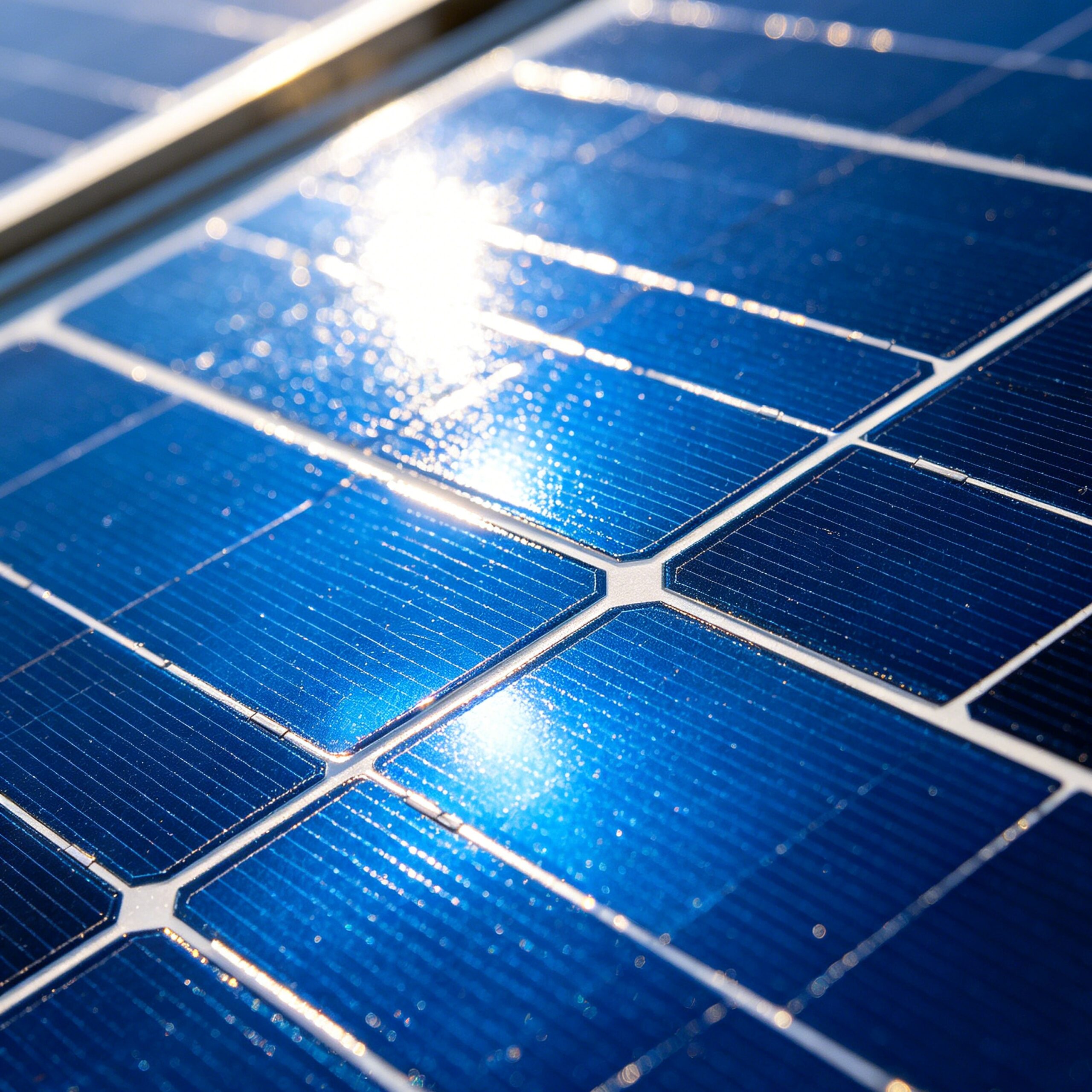
TL;DR: Cash gives the biggest long-term savings, but a solar loan lets you own the system with payments spread over 5-15 years. Leases and PPAs need no upfront money but you never own the equipment. Compare the rate, term, and total cost before you choose.
Solar panels come with steep initial expenses, but multiple financing routes can make them attainable. This guide covers solar loans and all your main payment choices.
Cash Purchase Paying everything upfront delivers the greatest long‑term savings. There is zero interest and no recurring monthly bills, and you hold full ownership of the system right away. If you have enough savings set aside, this is the most cost‑effective path.
Solar Loans A solar loan spreads your total expense across 5 to 15 years. You retain ownership of the hardware and qualify for all available tax‑related incentives. Very often, your monthly loan instalment works out lower than the money you save on electricity, so your net household expense falls starting the very first month.
Key details: ‑ Interest rates can be either fixed or variable ‑ Certain loan products need no down payment at all ‑ You keep system ownership and all financial incentives
Solar Leases Under a solar lease arrangement, the installation company owns the whole setup, and you pay a recurring monthly fee to use its power. There is no large upfront sum, yet you will not own the equipment, nor do you receive associated tax incentives.
Power Purchase Agreements (PPAs) PPAs share many similarities with leases. The provider installs the solar array on your property, and you pay a fixed rate only for the electricity it generates. You never take ownership of the system.
Picking the right payment route
Go with cash if: you have savings available and aim for the highest possible returns Go with a loan if: you want to own your system but prefer smaller monthly out‑of‑pocket costs Go with lease or PPA if: you cannot cover upfront costs and would like to skip maintenance responsibilities entirely
Important checks before locking in financing ‑ Interest rate and overall total repayment cost ‑ Loan length and exact monthly payment amount ‑ Whether a down payment is compulsory ‑ What happens to the financing if you sell your house ‑ Any fees for paying off the loan ahead of schedule
Final thoughts Solar financing opens up renewable energy for people who cannot cover large one‑time costs. Cash payments and solar loans deliver better long‑run savings. Leases and PPAs work well for zero‑upfront‑cost scenarios. Weigh every alternative carefully and select whatever aligns best with your personal budget.
FAQ
What is the best way to pay for solar panels?
Cash purchase delivers the highest long-term savings. If you don’t have the savings upfront, a solar loan is the next best option because you still own the system and keep the tax incentives.
How long is a typical solar loan?
Most solar loans run 5 to 15 years. In many cases, the monthly payment is lower than your electricity savings, so your net cost falls from the first month.
Do solar loans require a down payment?
Some do, but many solar loan products offer no down payment at all. Check the terms before signing.
Who owns the system with a solar loan?
You do. Unlike leases and PPAs, a solar loan means you own the hardware and qualify for the available tax incentives.
What happens to my solar loan if I sell my house?
It depends on the lender. Some loans can be transferred to the buyer, while others must be paid off at closing. Ask about this before you sign.
Is a solar lease or PPA ever a good option?
Yes, if you can’t cover upfront costs or want to avoid maintenance responsibility. Just remember you won’t own the system and won’t receive the tax incentives.
1 thought on “Solar Loans and Financing – How to Pay for Solar Panels”