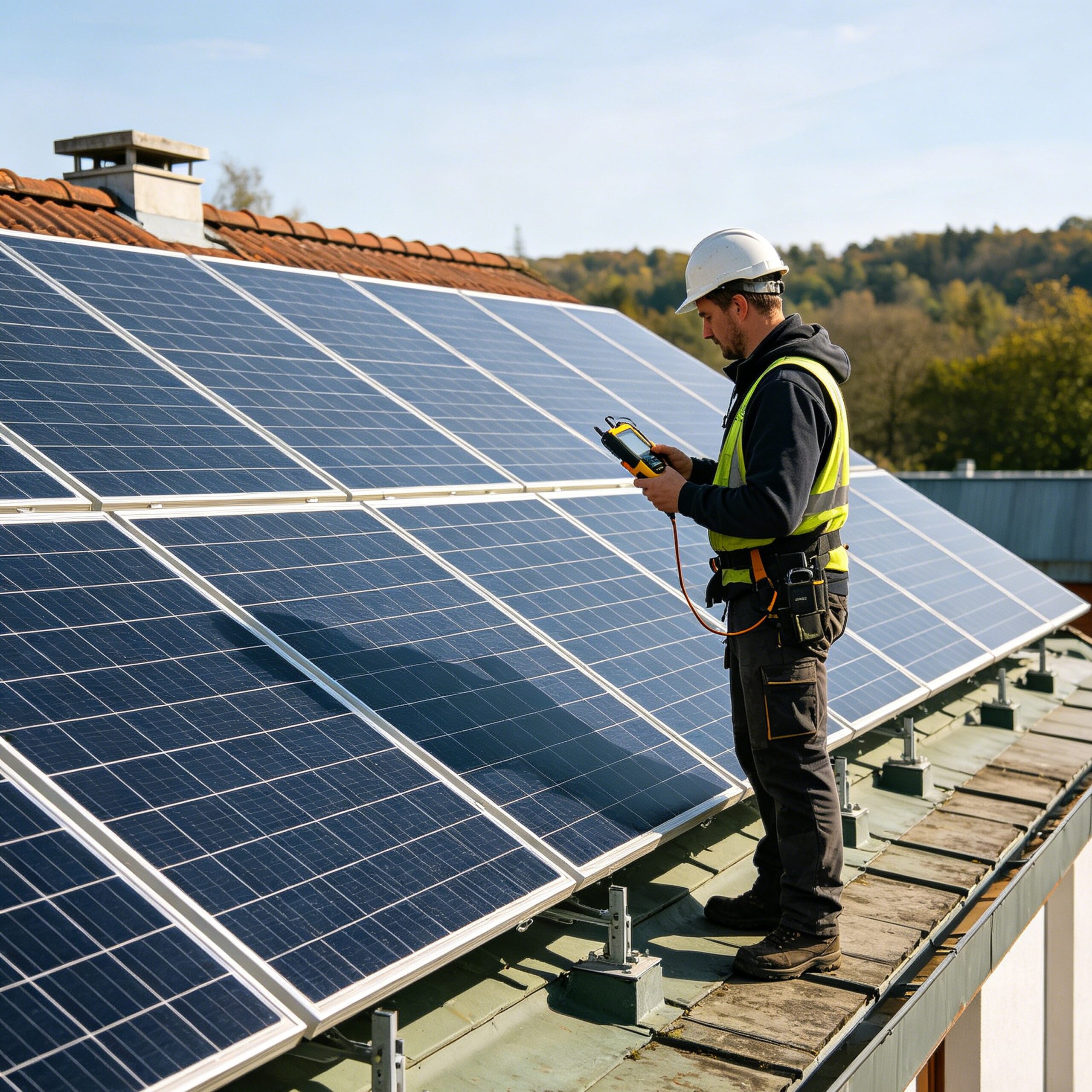
TL;DR: DIY solar is great for small off-grid projects like sheds, balconies, and RVs, where you skip 10-30% in labor costs. Full rooftop grid-tied systems need permits, certified electrical work, and licensed grid connection, and unqualified installs can void warranties and insurance. Start small, follow safety rules, and hire an electrician to review the wiring.
Taking on a solar panel installation by yourself can cut your expenses, yet it also carries real-world risks. Below is a fair-minded overview of DIY solar projects.
What a DIY Solar Build Entails
A basic DIY solar job covers mounting panels, running cables, hooking up the charge controller and battery bank, and wiring your inverter. For compact builds meant for sheds or balconies, this is well within reach for handy people.
When it comes to a complete rooftop grid-tied system, DIY becomes far more complex. These jobs usually demand official permits and certified electrical work.
Upsides of DIY Solar
Reduced Overall Expense
You skip professional installation labour fees, which commonly make up 10-30% of the full project cost.
Hands-On Learning
You gain solid practical knowledge of how your system functions, and you are able to handle most routine maintenance on your own.
Custom Flexibility
You can adjust and tailor every part of the build to match your exact requirements.
Downsides and Potential Hazards
Electrical Safety Risks
Working with high-voltage DC and AC power poses genuine danger. Faulty wiring may trigger fires or lead to serious personal injury.
Permits and Official Inspections
Most local jurisdictions enforce permit requirements and mandatory inspections. Even self-built systems have to meet official building codes.
Warranty Complications
Several panel manufacturers will invalidate product warranties if equipment is not fitted by a certified solar technician.
Roof-Related Damage
Poorly done mounting work can harm your roof structure. In serious cases, this may even nullify parts of your home insurance coverage.
Grid Interconnection
Linking your setup to the public power grid almost always calls for licensed professionals and formal utility company approval.
Where DIY Solar Makes the Most Sense
Off-grid small-scale builds are ideal for DIY work:
- Sheds and backyard workshops
- Balcony and garden-based solar setups
- RV and camping power systems
Large rooftop grid-connected home systems are better handed over to qualified installers.
If You Plan to Try DIY Solar
- Begin with a small off-grid build to build practical experience
- Stick strictly to safety rules and use correct, rated hardware
- Bring in a qualified electrician to review wiring whenever you feel uncertain
- Double-check local regulations and permit rules ahead of time
Closing Thoughts
DIY solar works wonderfully for small, off-grid projects. For full-size household solar systems, professional installation is safer and frequently legally required. Start small, pick up core skills gradually, and figure out how much DIY work fits your skill level.
FAQ
Is DIY solar installation safe?
For small off-grid builds, yes, if you follow safety rules and use correctly rated hardware. High-voltage rooftop systems carry real electrical and fire risks and are better left to professionals.
What are the risks of DIY solar installation?
Electrical injury or fire from faulty wiring, roof damage from poor mounting, voided panel warranties, and insurance issues from unapproved work.
Does DIY solar save money?
Yes on labor, which is usually 10-30% of the project cost — but mistakes can cost more than the savings. Small off-grid projects are where the savings are safest.
Can I install rooftop solar myself?
Usually not practically. Permits, building codes, certified electrical work, and utility approval make professional installation safer and often legally required.
Are there incentives for installing solar panels?
Yes. Tax credits, rebates, and net metering programs exist in many regions. Check local rules and claim everything you qualify for.
How long does solar take to pay back?
Most homeowners recover their investment within 3-8 years through lower power bills, depending on system cost, local rates, and sunlight.
Related: Solar Loans and Financing – How to Pay for Solar Panels
1 thought on “DIY Solar Panel Installation – Is It a Good Idea”