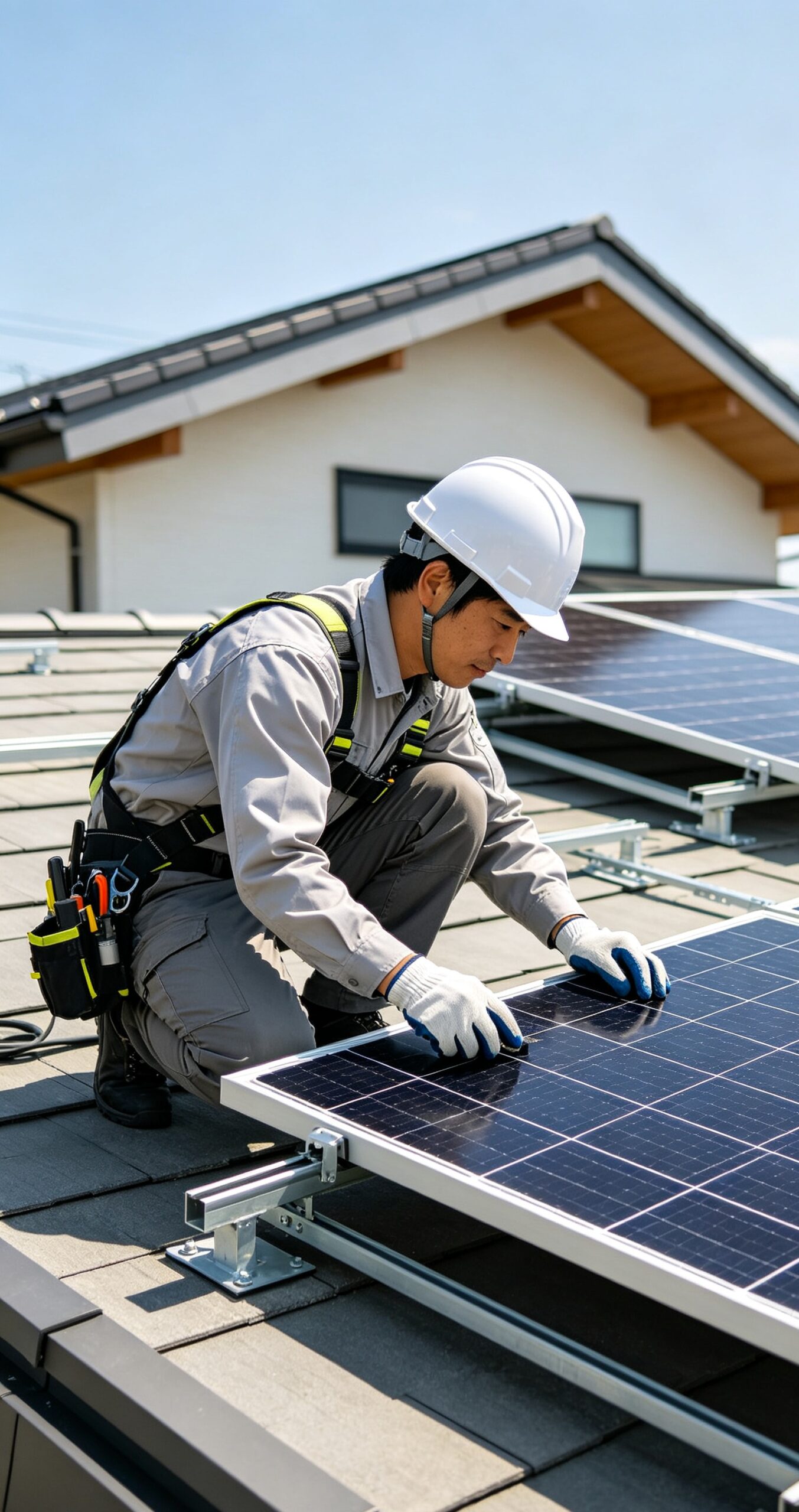
TL;DR: Solar panels turn sunlight into electricity with no moving parts, and the core setup is panels + inverter + optional battery + mounting. A typical home system costs $15,000-$30,000 before incentives, cuts power bills 50-80%, and pays back in 3-8 years. Solar fits you best if you have sun-exposed roof space, decent electricity bills, and plans to stay put.
This guide covers every essential piece of solar knowledge for total beginners, from basic operating principles to real-world costs. Go through this before you commit to any solar purchase.
How Solar Energy Works
Solar panels are built with photovoltaic cells that turn sunlight into electricity. When sunlight strikes these cells, an electric current is generated. An inverter then transforms this DC power into AC electricity that powers household devices.
Heat is not required for solar power generation. Panels still produce energy under cloudy conditions, just at a reduced output level.
Core Parts of a Solar Setup
Solar Panels
Responsible for converting sunlight into electricity. Monocrystalline panels deliver higher efficiency, while polycrystalline options come at a lower price point.
Inverter
Carries out DC-to-AC power conversion. String inverters are budget-friendly; microinverters offer superior performance when shade is present.
Battery (Optional)
Stores surplus energy for nighttime use and power outages. Lithium-ion batteries are the top pick for most residential properties.
Mounting System
Holds panels firmly onto your rooftop or ground-mount racking structure.
Solar System Costs
A standard residential solar system ranges from $15,000 to $30,000 prior to incentives. Government tax breaks and rebates can cut total expenses by 30% or higher. For most households, payback falls within a 3- to 8-year window.
Potential Savings
Solar can knock 50-80% off your regular electricity expenses. Net metering programs let you collect credits for extra power fed back into the grid. Across the 25-30-year lifespan of solar panels, homeowners typically save significantly more than the original system outlay.
Is Solar a Good Fit for Your House?
Solar makes solid financial sense if the following apply:
- You have unobstructed, sun-exposed roof area
- You receive moderately high monthly electric bills
- You intend to live in the property for multiple years
- Local incentive programs are accessible
Critical Choices to Make
- Panel style: monocrystalline or polycrystalline
- Inverter selection: string inverter or microinverter
- Energy storage: add a battery or skip it
- Installation route: DIY for small-scale setups, professional install for full rooftop systems
- Payment method: cash payment, solar loan, lease agreement, or PPA
Frequent Pitfalls to Steer Clear Of
- Incorrect system sizing for your actual consumption
- Overlooking shade issues on your roof
- Opting for low-cost, poor-quality solar panels
- Failing to look into local net metering rules
- Skipping comparisons among multiple installer quotations
Final Thoughts
Solar energy is cost-effective, dependable, and rapidly gaining popularity. Begin by analysing your household energy consumption, then design a system matched to your requirements. Thanks to available incentives and dropping hardware prices, solar has become one of the most attractive home investments for the majority of property owners.
FAQ
How does solar energy work for a home?
Solar panels convert sunlight into DC electricity, and an inverter changes it into the AC power your home uses. Panels still produce power on cloudy days, just at reduced output.
What does a home solar system include?
Four core parts: solar panels, an inverter, a mounting system, and optionally a battery for storing surplus power.
How much does a home solar system cost?
A typical system runs $15,000-$30,000 before incentives. Tax credits and rebates can cut the total by 30% or more.
How much can solar panels save on electricity?
Most homeowners cut their power bills by 50-80%, and net metering credits add further savings for surplus energy sent to the grid.
How long does solar take to pay for itself?
Most households recover their investment within 3-8 years, then enjoy essentially free power for the rest of the system’s 25-30-year life.
Is solar right for my home?
Solar makes sense if you have sun-exposed roof space, reasonably high electricity bills, plan to stay for several years, and have local incentives available.
Related: How Many Solar Panels Do I Need in 2026 – Simple Formula + Calculator