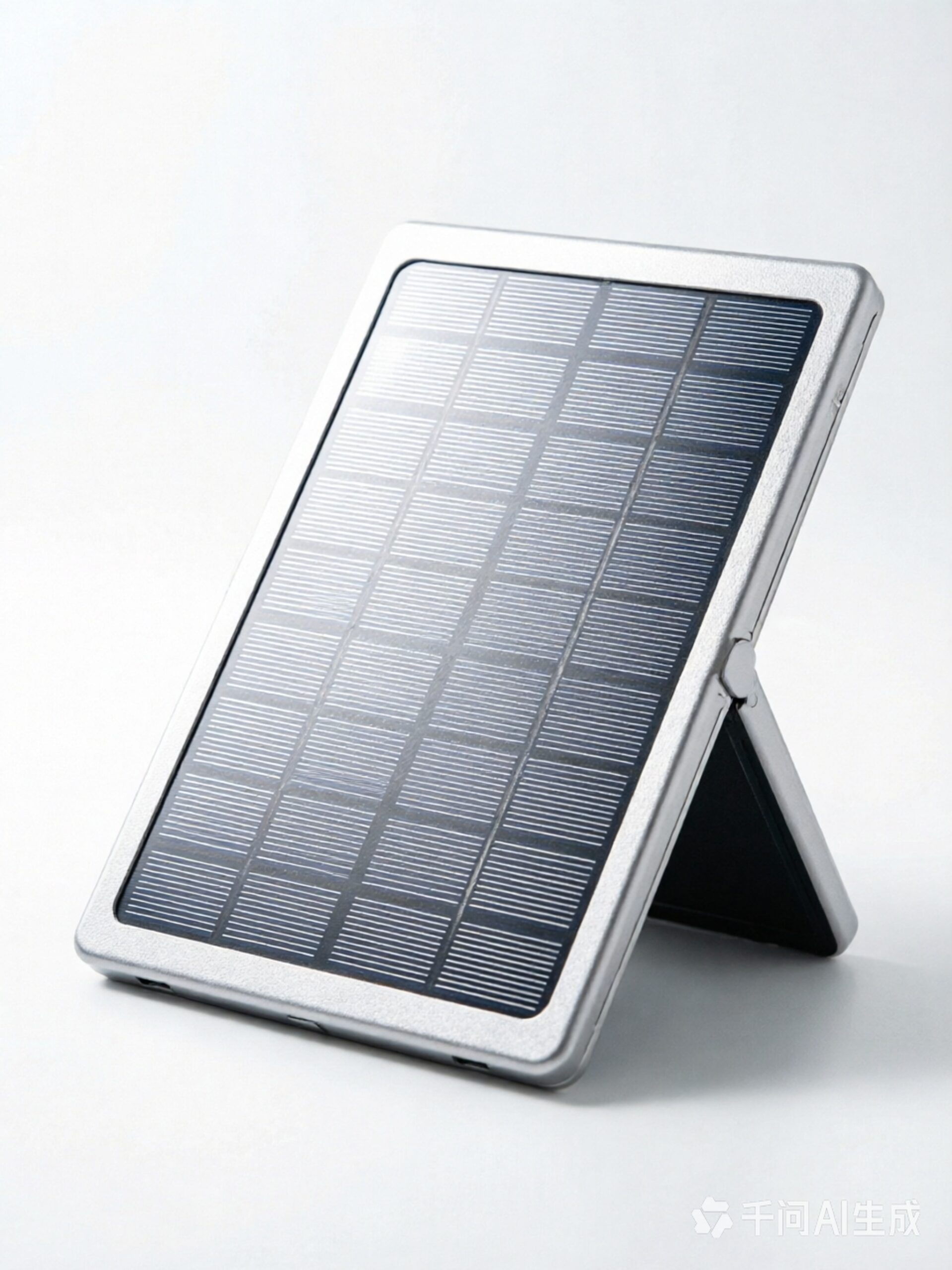
TL;DR: Take your daily electricity consumption (kWh), divide it by your local peak sun hours, and factor in an extra 20% for energy losses. As an example, an average home consuming 20 kWh each day will require roughly a 5kW system, equal to twelve 400-watt solar panels.
Wondering exactly how many solar panels your house requires? The calculation hinges on three key figures: your household energy consumption, local peak sun hours, and the wattage of your chosen panels. Below is the straightforward working formula.
How Many Solar Panels Do I Need?
Work through this three-step formula:
- Work out your daily energy use (kWh)
- Divide the figure by your local peak sun hours
- Account for 20% system losses, then divide by individual panel wattage
Step 1: Work Out Your Daily Electricity Consumption
Pull the monthly kWh reading from your electricity bill and divide the total by 30.
Example: 600 kWh per month ÷ 30 days = 20 kWh per day.
Step 2: Look Up Your Peak Sun Hours
Peak sun hours represent the period when sunlight is intense enough for solar panels to operate close to their maximum rated output.
- Sunny locations: 5-6 hours
- Moderate-sun regions: 4-5 hours
- Cloud-prone areas: 3-4 hours
Search for “peak sun hours [your city]” to get your local value.
Step 3: Calculate Your Required System Capacity
Daily energy use ÷ peak sun hours = base system size (kW). Multiply the result by 1.2 to cover typical energy losses.
Example: 20 kWh ÷ 5 hours = 4kW. After loss adjustment: 4 × 1.2 = 4.8kW.
Figure Out Panel Quantity
Divide your final system size by the wattage of each solar panel.
Example: 4.8kW ÷ 0.4kW (400W panel) = 12 panels.
Quick Reference Table
| Daily usage | Sun hours | System size | Panels (400W) |
|---|---|---|---|
| 10 kWh | 5 | 2.4kW | 6 |
| 15 kWh | 5 | 3.6kW | 9 |
| 20 kWh | 5 | 4.8kW | 12 |
| 30 kWh | 5 | 7.2kW | 18 |
What About Battery Storage?
Install solar batteries if you wish to access solar power overnight or keep appliances running during blackouts. A 10kWh battery meets overnight power demands for most households. If net metering is available locally, you might not need battery storage at all.
FAQ
How many solar panels do I need for a three-bedroom home?
Most 3-bedroom properties need 10-16 panels (4-6kW), subject to actual energy consumption and local sun exposure.
How many panels do I need for fully off-grid home power?
Full energy independence generally calls for 16-24 panels (6-10kW), paired with battery storage.
Do cloudier locations need extra panels?
Yes. Lower peak sun hours mean you need a larger array to generate the same total electricity.
What is the typical residential solar system size in 2026?
5-8kW is standard for average households, equating to 12-20 individual panels.
Is it possible to start small and add panels later?
Absolutely. Most solar setups support expansion. You can begin with a smaller budget-friendly array and add extra panels down the line.
Can I install solar panels on my own?
Small-scale DIY setups are possible, but full rooftop systems are best left to certified installers to avoid roof damage and wiring risks.
How much does a 5kW solar panel system cost?
A 5kW system typically costs $12,500-$17,500 before incentives. Tax credits and rebates can reduce the total by 30% or more.
Do solar panels work at night or on cloudy days?
Panels need light, so they produce nothing at night. On cloudy days they still generate power, just at reduced output.
Related: Best Solar Panel Brands 2026 – 7 Reliable Options Compared