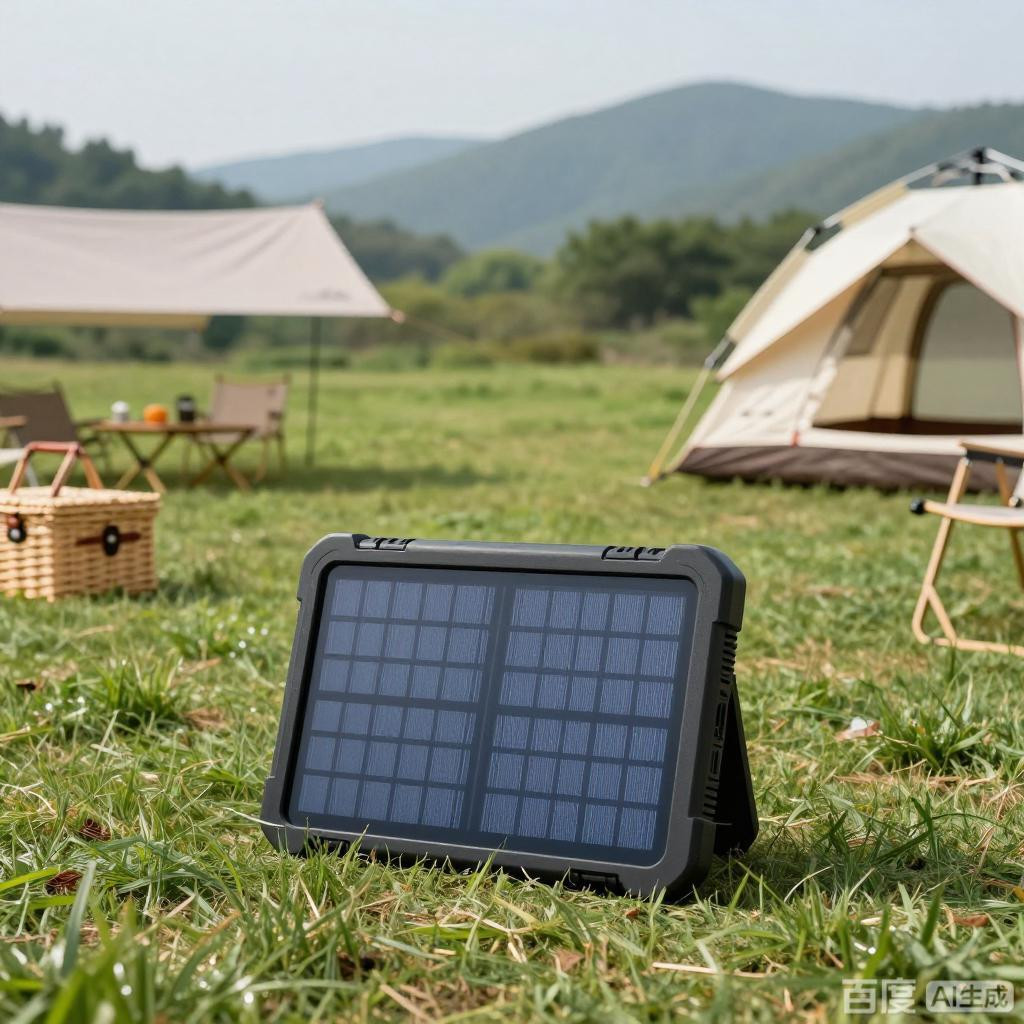
2026 Update: Balcony-friendly solar options keep expanding this year, with more compact plug-and-play models hitting the market. We have re-checked real-world user feedback and updated our picks to reflect current pricing and durability performance.
TL;DR: Choosing small solar panels for balcony use in 2026 comes down to wattage, size and portability. Look for a monocrystalline panel between 100W and 200W, expect to pay $150-$400, and check your balcony direction and building rules before you buy.
Looking for a small solar panel for your apartment balcony? You are not alone. More and more people are turning to balcony solar setups as a simple way to reduce electricity bills and live more sustainably.
In this guide, we explore the key features to look for when choosing a small solar panel for balcony use, including size, wattage, weather resistance, and ease of installation.
Why Choose a Small Solar Panel for Your Balcony?
Balcony solar panels are compact, lightweight, and easy to install without professional help. Many plug directly into a standard outlet and start generating power immediately. For apartment dwellers and renters, this is one of the easiest ways to join the renewable energy movement.
What to Look For
- Wattage: Most balcony solar panels range from 100W to 400W. A 200W panel is a good starting point.
- Portability: Foldable and lightweight designs make installation and storage simple.
- Durability: Look for weatherproof ratings (IP65 or higher) to ensure your panel withstands rain and sun.
- Compatibility: Make sure the panel works with your local outlet type and voltage.
Panel Types You Will See
Balcony solar comes in three broad formats, and the right one depends on whether you rent or own, and whether the panel can stay in place:
- Folding portable panels – lightweight, pack flat, and can be carried indoors when you are away. Best for renters who cannot mount anything permanently.
- Rigid framed panels – the same glass-and-aluminium panels used on roofs, just smaller. Cheaper per watt and longer lasting, but they need a fixed mounting spot.
- Plug-in balcony kits – a panel plus a microinverter that feeds straight into a wall outlet. Popular in Europe; check your local rules first, because not every region allows them.
How to Size a Balcony Panel
Start with what you actually want to run, not with the panel size. A 100W panel on a sunny balcony produces roughly 0.4-0.5 kWh on a good summer day, which covers a laptop, a router and phone charging. A 200W panel roughly doubles that, and a 400W setup can begin offsetting a fridge’s daily draw.
Then check the physical limit. Measure the railing or wall area you can use, and remember that a panel at the wrong angle can lose 20-30% of its output. South-facing with a tilt of about 30 degrees is ideal; east or west facing still works, just at reduced output.
FAQ
Do balcony solar panels work in winter?
Yes, but output is lower. Panels work more efficiently in cold weather, but shorter winter days mean less production.
How much does a balcony solar panel cost?
Expect $150-$400 for a 100-200W panel, plus mounting hardware.
Should I choose a folding panel or a rigid one?
Folding panels win if you rent, move often, or need to store the panel indoors. Rigid framed panels cost less per watt and last longer, so they are the better choice if you can fix them in place permanently.
What angle should a balcony panel be at?
Aim for roughly 30 degrees facing south if you can. East or west facing still generates useful power, just less of it, especially in the morning or late afternoon.
Do I need permission to install balcony solar?
Check with your landlord or building management. Many buildings allow clamp-on balcony panels without permanent installation.
Can one balcony panel power a whole home?
No. A typical balcony panel (100-400W) powers small devices, not a full home. For whole-home power, you need a much larger rooftop system.
How long do balcony solar panels last?
Most panels last 25-30 years, with a 25-year performance warranty.
Conclusion
A small solar panel for your balcony is an affordable, practical first step into home renewable energy. With the right setup, you can start saving on electricity while reducing your carbon footprint.
Use Our Solar Calculator
Not sure how many panels you need? Use our free solar calculator to estimate your system size, daily generation, and potential savings in seconds.