TL;DR: Solar setups in 2026 fit every budget: small 100-300W kits cost about $100-$300, medium 500W-1kW systems run $500-$1,200, and large 2-5kW household systems cost $7,000-$12,000 plus $2,000-$5,000 installation. Panels last 25-30 years, so small systems pay back in 3-5 years and larger ones in 5-8.
Many people hold back from installing solar panels simply because they worry about high upfront costs. This concern is incredibly common among beginners. The good news is that solar technology has become far more affordable over the past few years, making it accessible to regular households and casual users alike.
If you’re curious about the real cost of solar setups right now, here is a clear, detailed price breakdown for solar panel installations in 2026, covering systems of all sizes.
Small System (100W – 300W)
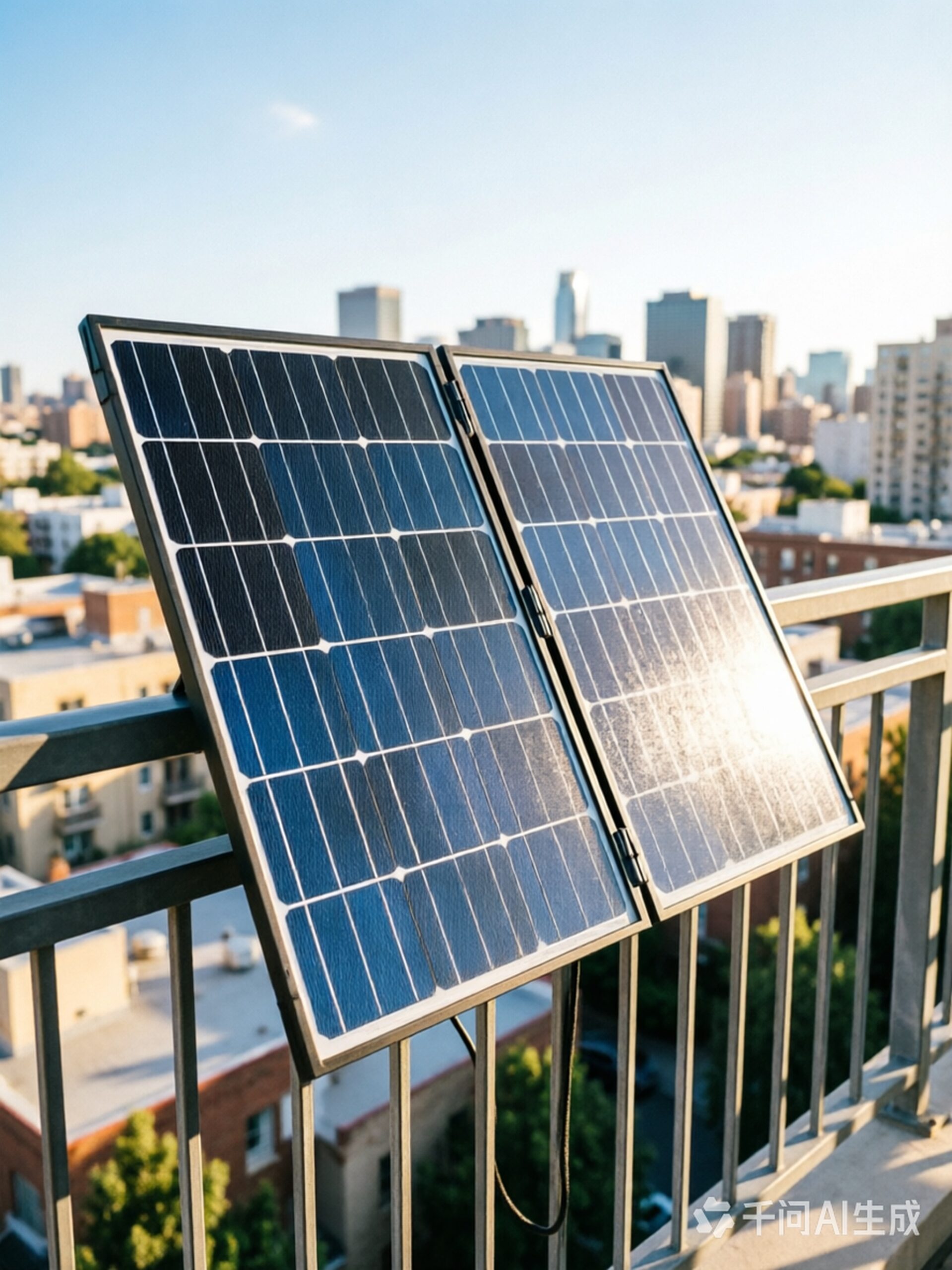
This entry-level system is perfect for casual, lightweight use. It works well for balcony placement, outdoor camping trips, and daily charging for small electronic devices. No professional help is required at all, as the whole setup can be easily assembled by yourself.
- Equipment cost: $100 – $300
- Installation: DIY installation, no professional support needed
- Monthly electricity savings: $5 – $15
Medium System (500W – 1kW)
Stepping up from basic small setups, medium-sized solar systems fit most apartment dwellers and small families perfectly. They deliver stable power output and serve as reliable backup power during unexpected outages.
- Equipment cost: $500 – $1,200
- Installation: Simple setup; suitable for DIY or low-cost professional installation
- Monthly electricity savings: $15 – $35
Large System (2kW – 5kW)
Large solar systems are built for full-time household use. They are the ideal choice for standard family homes and off-grid living scenarios, capable of supporting most daily household power demands. Unlike smaller options, these larger setups involve more complex wiring and layout, so professional installation is highly recommended.
- Equipment cost: $7,000 – $12,000
- Installation: Professional installation recommended, costing an extra $2,000 – $5,000
- Monthly electricity savings: $60 – $150
Key Factors That Affect Solar System Costs
The final price of your solar setup is never fixed. Several key factors work together to raise or lower your total investment, which you can adjust based on your own budget and needs.
Panel Type
The type of solar panel you choose makes a noticeable difference in both cost and performance. Monocrystalline panels come with a higher price tag, but they offer better energy efficiency and more stable output. In comparison, polycrystalline panels are much more budget-friendly, though they require more installation space to produce the same amount of power.
Battery Storage
Adding a battery storage unit lets you store excess solar energy for nighttime or cloudy-day use, instead of wasting unused power. However, this upgrade will increase your upfront spending by $5,000 to $10,000, depending on battery capacity and quality.
Inverter
The inverter is a core component that impacts your system’s long-term stability. A high-quality inverter usually costs between $1,000 and $3,000. While cheap inverters cut initial costs, they wear out faster and need frequent replacement, leading to higher long-term expenses.
Installation Fees
If you choose professional installation, labor fees vary based on your system size and roof condition. Complex roof layouts and larger setups will cost more, with typical installation fees ranging from $1,000 to $5,000.
Government Incentives
To encourage renewable energy use, many regions offer supportive policies for solar users. These include tax reductions, cash rebates, and special subsidies. In many cases, these benefits can cover 20% to 30% of your total installation cost, greatly easing your financial burden.
Is Installing Solar Panels Worth the Investment?
When weighing cost and long-term benefits, solar systems show clear value. Small setups under 1kW usually pay for themselves within 3 to 5 years. Larger household systems take a bit longer, with a payback period of 5 to 8 years.
Considering that most solar panels have a service lifespan of 25 to 30 years, you’ll enjoy decades of nearly free electricity after recouping your initial investment.
Conclusion
Solar panel installation has never been more affordable than it is in 2026. You don’t need a huge budget to get started; small-scale setups are accessible for regular users and still deliver real monthly savings.
As solar equipment prices keep dropping and traditional electricity costs continue to rise, the long-term value of solar systems will only keep improving. Starting small and upgrading gradually is a smart way to enjoy clean energy and steady financial benefits over time.
FAQ
How much does a small solar setup cost?
A 100-300W system costs about $100-$300 and works well for balconies, camping, and charging small devices.
How much does a whole-home solar system cost?
A 2-5kW system costs $7,000-$12,000 in equipment plus $2,000-$5,000 for professional installation.
Do solar panels pay for themselves?
Yes. Small systems typically pay back in 3-5 years and larger household systems in 5-8 years, then deliver nearly free power for decades.
What adds the most to a solar system’s cost?
Battery storage is the biggest add-on ($5,000-$10,000), followed by panel quality, the inverter, and installation fees.
Can I install solar without professional help?
Yes, for small 100W-1kW setups. Larger 2kW+ systems involve complex wiring and are best installed professionally.
1 thought on “Solar Panel Installation Cost – What to Expect in 2026”