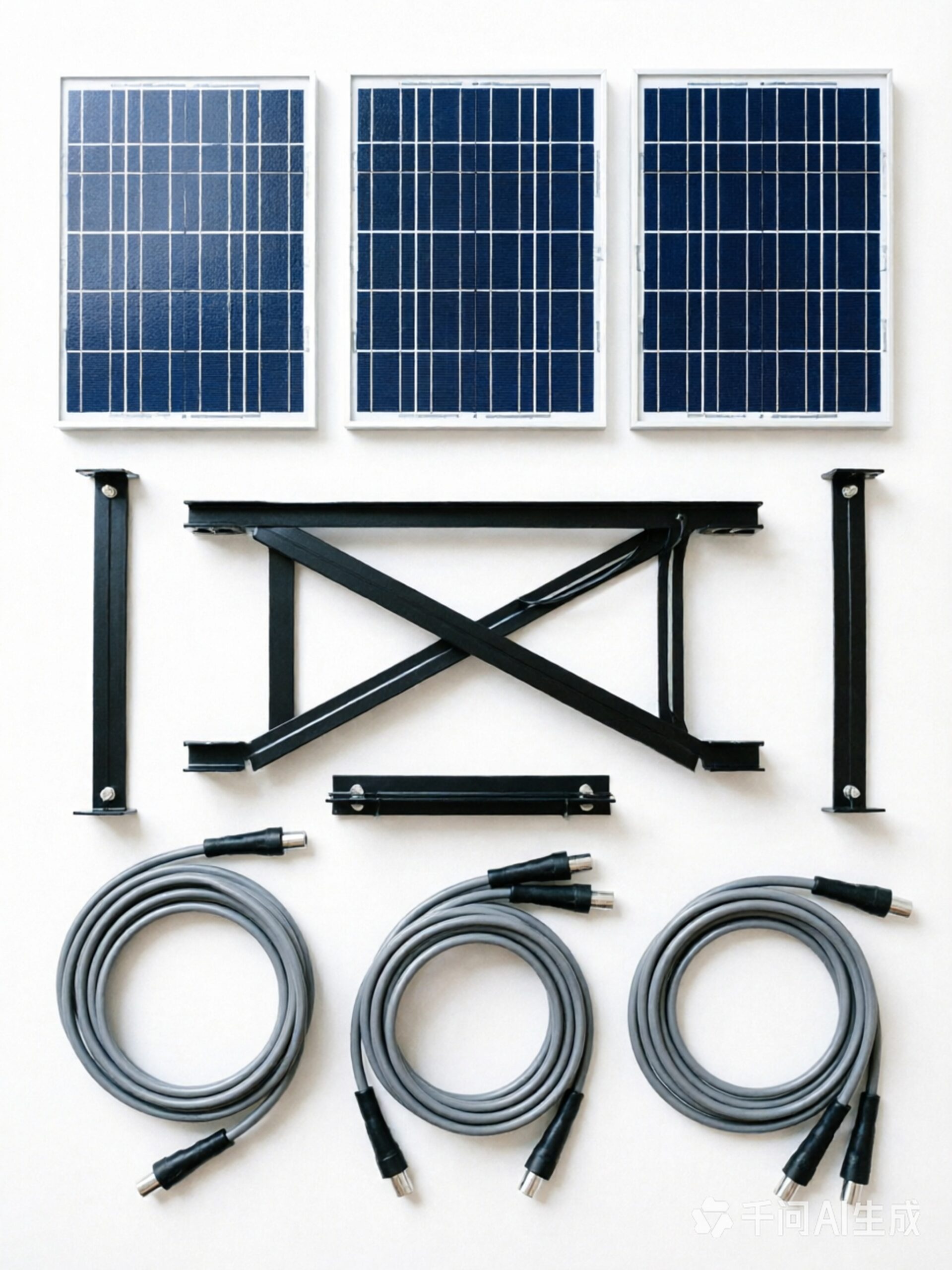
TL;DR: Solar panels last 25-30 years under warranty and often keep producing for 40 years or more. They don’t stop working at the end of the warranty — they simply degrade about 0.5% per year, keeping roughly 85-90% of original output after 20 years. Inverters (10-15 years) and batteries (5-15 years) need replacing sooner than the panels themselves.
Solar Panel Lifespan and Degradation: What You Need to Know
Solar panels are designed as a long-term home improvement, so it’s normal for homeowners to wonder how many years they will actually last. Many people only know the basic warranty numbers but don’t understand real-world service life and power loss over time. Let’s break down how solar panels age and what affects their overall durability.
The Average Lifespan of Solar Panels
Nearly all solar panels come with a 25 to 30-year performance warranty from manufacturers. It’s important to clarify what this warranty truly means. It does not mean the panels will stop working entirely once the warranty ends. Instead, it guarantees the panels can still produce 80 to 85 percent of their original power output after decades of use.
In practice, plenty of panels keep generating usable electricity for 40 years or even longer. The only change is a slow, gradual drop in power efficiency.
What Is Solar Panel Degradation?
Degradation refers to the slow, natural power loss that happens as solar panels age. On average, most panels degrade at a steady rate of 0.5 percent every year. To put that in perspective, after 20 years of regular use, your panels will still work at roughly 90 percent of their original capacity.
Panel quality makes a clear difference here. High-end monocrystalline panels degrade much slower than cheaper, lower-quality alternatives.
Key Factors That Affect a Panel’s Lifespan
Many everyday conditions determine how well and how long your solar system holds up.
Weather conditions
Panels exposed to extreme weather tend to age faster. Constant high heat, frequent hailstorms, and heavy snowfall speed up degradation. In contrast, panels installed in mild, stable climates enjoy a much longer service life.
Installation quality
Professional, careful installation plays a huge role in long-term durability. Correct mounting and wiring prevent common issues like water leakage and loose connections. Poor installation work creates hidden problems that wear down the system much faster over time.
Routine maintenance
Simple upkeep can effectively extend your system’s life. Regular cleaning and basic inspections remove dust, leaves, and other debris that block sunlight. Panels kept in clean condition maintain better performance for many more years.
Lifespan of Different System Components
While solar panels themselves are extremely durable, other supporting parts of the system wear out faster. It’s helpful to know their average service times:
- Inverter: 10 to 15 years
- Battery: 5 to 15 years, depending on battery type
- Wiring and mounting hardware: 25 years or longer
When Should You Replace Solar Panels?
Age alone is never a good reason to replace solar panels. You only need to consider replacement under specific situations. If your panel’s power output falls far below the warranty standard, or the glass surface suffers obvious cracks and damage, replacement becomes necessary.
It also makes sense to swap old panels if continuous repair costs end up exceeding the value of the remaining power they produce. Although modern new panels have higher efficiency, replacing a fully functional system rarely saves money. The small improvement in energy output usually cannot cover the high cost of full replacement.
Conclusion
Solar panels are built for long-term use. With proper installation, basic maintenance, and clean care, they can run steadily and produce clean electricity for 30 years or more.
The secret to maximizing your solar investment is simple: choose high-quality panels, ensure professional installation, and stick to a basic cleaning routine year after year.
FAQ
How long do solar panels actually last?
Most panels carry a 25-30 year performance warranty, and many keep generating usable electricity for 40 years or longer. The warranty guarantees output, not that the panels stop working afterward.
Do solar panels stop working after the warranty ends?
No. The warranty guarantees the panels still produce about 80-85% of their original output after decades of use. Panels continue generating power well past that point, just at a slowly declining rate.
What is solar panel degradation?
Degradation is the slow, natural loss of power output as panels age. Most panels degrade about 0.5% per year, so after 20 years they still work at roughly 90% of original capacity.
What shortens a solar panel’s lifespan?
Extreme weather (high heat, hail, heavy snow), poor installation quality, and a lack of basic maintenance all speed up degradation. Panels in mild climates with professional installation last longest.
How long do other solar system parts last?
Inverters typically last 10-15 years, batteries 5-15 years depending on type, and wiring and mounting hardware 25 years or more. Panels are usually the most durable part of the system.
When should I replace my solar panels?
Only when output falls far below the warranty standard, the glass is cracked or damaged, or repair costs exceed the value of the remaining power. Age alone is not a good reason to replace working panels.
Check the latest price on Amazon