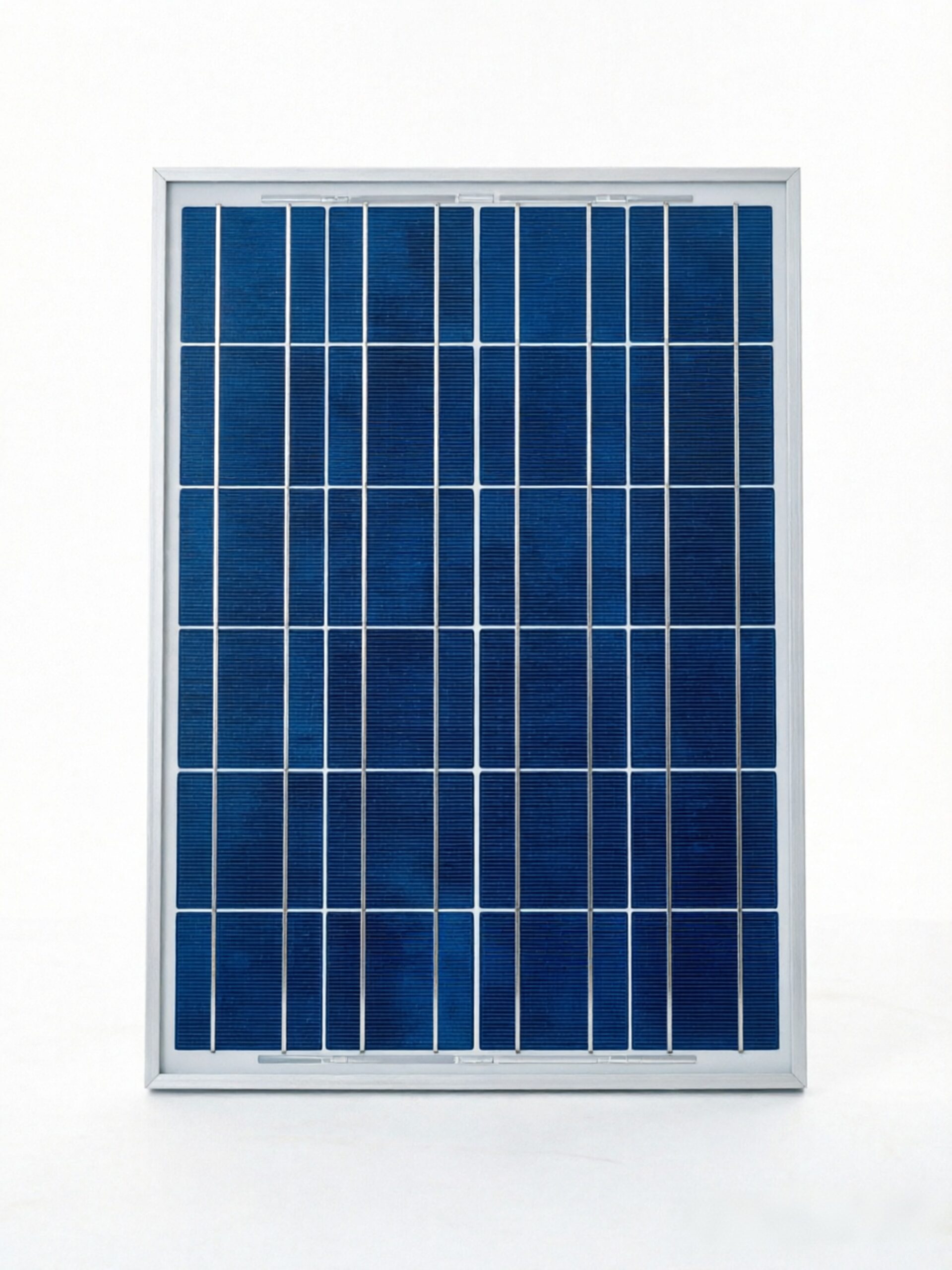
TL;DR: Degradation rate is how much power a panel loses each year. Premium panels degrade 0.3-0.5% per year, standard models 0.5-0.7%, and budget panels up to 1.0%. A 0.5% panel keeps about 88% of its output after 25 years, while a 1% panel keeps only about 78% — so aim for 0.5% or lower.
All solar panels slowly drop in power output as years go by, a process known as degradation. Knowing how fast this happens helps you pick durable panels and get a realistic idea of how much electricity you will generate down the line.
What Is Degradation Rate?
Simply put, the degradation rate tells you what share of its power a solar panel loses each year. For example, a panel rated at 0.5% degradation will lose half a percent of its output every single year.
If you run the numbers, a panel with 0.5% annual degradation still puts out around 88% of its original power after 25 years. By contrast, a 1% degradation model only holds onto roughly 78% of its performance over that same period. Those small yearly losses really stack up over decades.
Typical Degradation Rates
High-Quality Panels (0.3-0.5% Per Year)
These come from well-known, trusted brands. Built with better internal components, they hold onto most of their power throughout their lifespan.
Standard Panels (0.5-0.7% Per Year)
Most common home solar panels land within this bracket. They deliver reliable performance without pushing prices too high.
Budget Panels (0.7-1.0% Per Year)
Lower-cost panels wear down more quickly. You spend less money at the start, yet reduced power generation later can erase those initial savings.
Why Degradation Matters
A slower degradation rate translates to more usable electricity across your panel’s lifespan. Stretched over 25 years, the gap between 0.5% and 1% annual degradation can equal thousands of dollars in lost energy earnings.
It makes sense to pay a little extra for panels with low degradation if you intend to keep your system for 25 to 30 years.
How to Compare Panels
You can find degradation guarantees inside each manufacturer’s performance warranty document. Keep an eye out for two key figures:
- First-year degradation (normally 1-2%, panels often see a slightly bigger drop in their first year)
- Ongoing annual degradation for all following years (generally 0.3-0.6%)
For the strongest long-term return, stick to panels with a guaranteed annual degradation of 0.5% or below.
Other Factors That Affect Degradation
Temperature
Panels situated in consistently hot locations tend to degrade a tiny bit quicker. Leaving space for air flow underneath panels during installation helps ease this issue.
Quality of Installation
Bad installation work can physically harm panels and speed up degradation. Always hire a properly certified installer.
Maintenance
Basic regular cleaning and routine checks help slow wear and keep your panels working longer.
Conclusion
Degradation rate is a critical detail you should never overlook when shopping for solar panels. Even a minor difference in yearly power loss adds up to thousands of dollars worth of energy over the system’s life. To get the most out of your investment, go for panels with a degradation rate at 0.5% or lower.
FAQ
What is a solar panel degradation rate?
It’s the share of power a panel loses each year as it ages. A panel rated at 0.5% degradation loses half a percent of its output every year.
What is a good degradation rate?
Look for panels with a guaranteed annual degradation of 0.5% or below. Premium panels run 0.3-0.5%, most standard panels sit between 0.5% and 0.7%, and budget panels can reach 0.7-1.0%.
How much power will my panels keep after 25 years?
A panel with 0.5% annual degradation still produces about 88% of its original output after 25 years. At 1% per year, that drops to roughly 78%.
Does the first year of degradation count differently?
Yes. Panels usually lose slightly more in the first year — typically 1-2% — before settling into a smaller ongoing annual degradation of around 0.3-0.6%.
Where do I find the degradation rate?
Check the manufacturer’s performance warranty document. It lists the guaranteed first-year loss and the ongoing annual degradation rate.
What makes panels degrade faster?
Consistently hot temperatures, poor installation work, and a lack of basic maintenance can all speed up degradation. Leave airflow under the panels and always use a certified installer.
Related: Solar Panels vs Solar Tiles – Which Roof Option Is Better
8 thoughts on “Solar Panel Degradation Rate – What It Means and Why It Matters”