TL;DR: Solar tiles vs solar panels comes down to two things: cost per watt, and whether your roof needed replacing anyway. Traditional panels cost less than half as much, are more efficient per square metre, and are far easier to repair. Solar tiles look better and make sense on new builds or full roof replacements, where the roofing cost was going to be spent regardless.
When you switch to solar power, there are two popular roof-based solutions to pick from: standard solar panels fitted onto your existing roof, or solar tiles that take the place of regular roof covering. Each comes with its own set of benefits, so let’s walk through how they stack up against one another.
Traditional Solar Panels
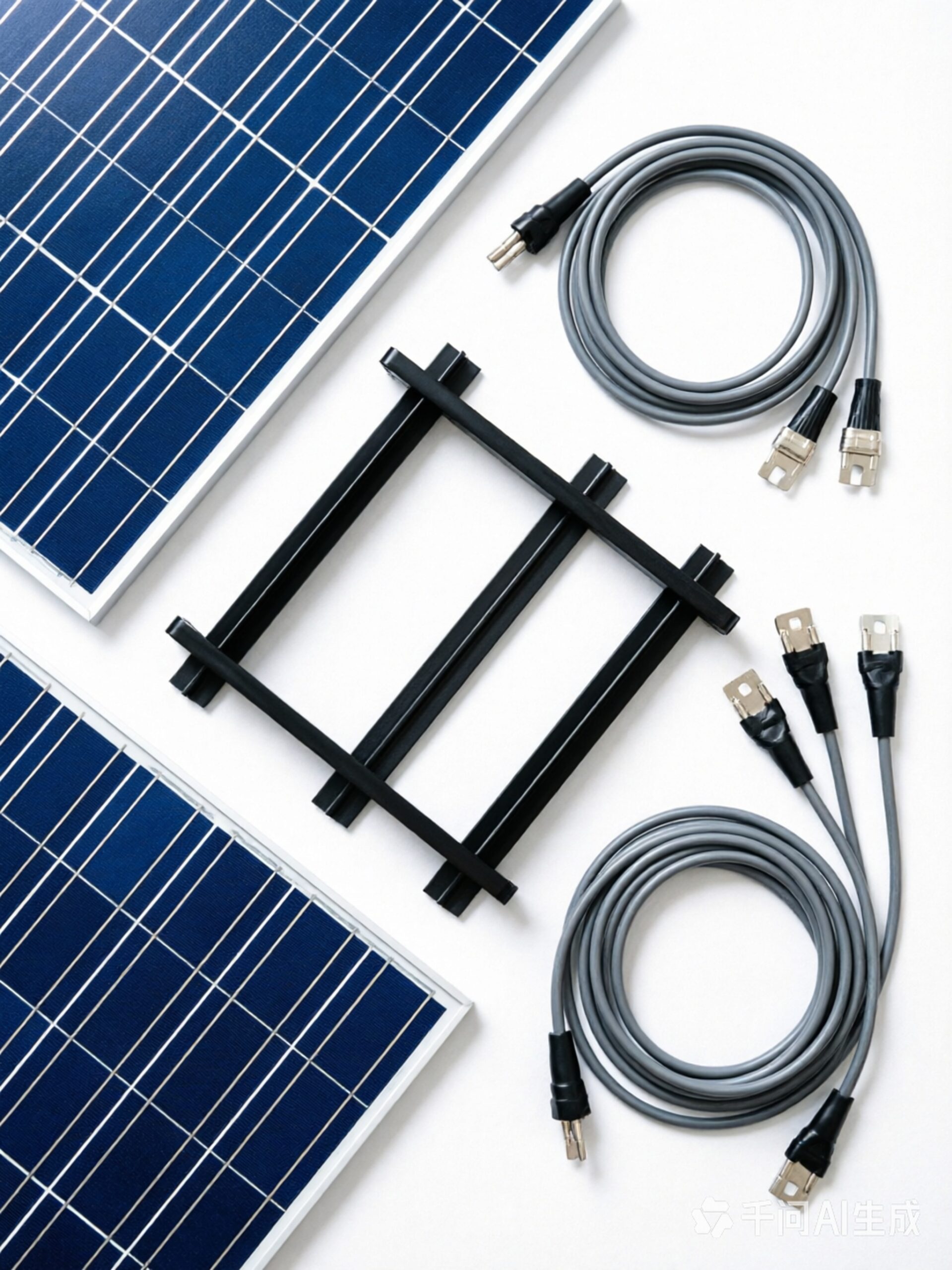
Regular solar panels sit over your current roof, held in place by mounting racks. This remains the widely-used, budget-friendly solution for most households.
Pros:
- Lower overall cost
- Straightforward installation and upkeep
- Compatible with nearly any roof type
- Simple to fix or swap out single damaged units
Cons:
- Their raised profile does not appeal to everyone aesthetically
- Mounting racks add extra weight to your roof structure
- You need suitable roof space with solid sunlight access
Solar Tiles
Solar tiles function just like ordinary roof tiles visually, while also producing electricity. They are meant to substitute part or all of your existing roof.
Pros:
- Clean, seamless visual style
- Offer the same roof-protection function as standard roofing materials
- Work really well for brand-new builds or full roof replacement projects
- Could deliver a bigger boost to your property value
Cons:
- Significantly more expensive
- Repairs are complicated; nearby tiles often have to be taken off first
- Only a limited number of installers have proper training for this product
- Lower per-square-metre efficiency than conventional panels
Cost Comparison
For equal power output, traditional panels come in at roughly $2.50-$3.50 per watt installed, against roughly $4.00-$8.00 per watt for solar tiles – two to three times the price, before incentives. Published ranges vary widely by product and market, so treat these as planning figures rather than quotes.
On a 6kW system, that is roughly:
- Panels: $15,000-$21,000 installed
- Tiles: $24,000-$48,000 installed
The spread is that wide for two reasons: how much of the roof the tiles cover, and whether the price includes replacing roof area that was going to be replaced anyway. That second point matters enough to have its own section.
Full component pricing is broken out in solar panel installation cost.
The Arithmetic Nobody Does: You Might Be Buying A Roof Anyway
This is the calculation that changes the answer, and it is the one quotes rarely make.
If your roof has years left in it, a solar tile system is a premium you are paying for nothing – you are replacing a roof that did not need replacing. In that case the honest comparison is tiles against panels, full stop, and panels win on cost by a wide margin.
If the roof is at the end of its life, the comparison is different. You would have paid for a new roof either way. The honest premium is therefore not the full cost of the tiles – it is the difference between the tiles and the roofing material you would have bought instead.
Rough arithmetic: if a full roof replacement would have cost $15,000, and a solar tile roof comes to $45,000, the solar decision is a $30,000 decision, not a $45,000 one. That is still usually more than panels would cost. But it is a very different conversation from “tiles cost three times as much”.
One question to ask any installer quoting tiles: what would this roof have cost without the solar? If they cannot break that out, the comparison is not being made honestly. The same thinking applies to whether to replace the roof before installing solar.
Efficiency Comparison
Per square metre, traditional panels still win clearly. Typical residential panels convert 20-22% of the light that hits them, while most solar tiles sit around 14-18%.
That translates to needing meaningfully more roof area for the same output – which matters most on a small, complicated, or partly shaded roof. Solar tile technology keeps improving, but conventional panels still hold the efficiency edge, and the gap has been stable for years. What those percentages actually mean in practice is covered in solar panel efficiency ratings.
Maintenance and Repairs
Traditional panels are easy to reach and service. When one unit stops working, you replace that single panel.
With solar tiles, one faulty tile often means removing surrounding tiles to get access, which drives up repair bills – and because only a limited number of installers are trained on the product, you have fewer people to call. On a roof where the tiles are also the waterproof layer, a botched repair is a leak rather than a cosmetic problem. Roof leaks around solar covers where these issues usually start.
Which Should You Choose?
Go with traditional panels if:
- You are working within a tight budget
- You want the strongest return on your investment
- Your existing roof is in good working order
Go with solar tiles if:
- You are constructing a brand-new house
- You already plan to fully replace your roof
- Visual appearance is your highest priority
- High upfront costs are not a big worry
There is a third option worth knowing about if the roof is the problem rather than the budget: mounting the array on the ground instead. Ground-mounted vs roof-mounted panels compares that route, and solar panels on different roof types covers what each roof covering does to the installation itself.
Conclusion
Traditional solar panels are the more practical option for most homeowners, thanks to lower costs and stronger efficiency. Solar tiles are a solid fit for new builds or full-roof-replacement projects where you want a smooth, hidden-solar appearance – and where the roofing cost was going to be spent anyway. Weigh your budget, roof condition and personal priorities before making your final call.
Related: Solar Energy Myths for Beginners – 8 Facts to Know Before You Buy
FAQ
Are solar tiles worth the extra cost?
Only if you are building new or replacing your whole roof and you value the seamless look. For most retrofits, traditional panels give better value – and the only honest way to judge it is to ask what the roof would have cost without the solar.
How much do solar tiles cost compared to solar panels?
Roughly two to three times per watt: panels typically land at $2.50-$3.50 per watt installed, solar tiles at around $4.00-$8.00. On a 6kW system that is roughly $15,000-$21,000 against $24,000-$48,000 – unless the roof was due for replacement anyway, in which case only the difference is the solar premium.
What is the difference between solar roof tiles and solar panels?
Panels sit on top of an existing roof on mounting racks; roof tiles are the roof covering itself and generate power in place of ordinary tiles. They produce the same electricity, but tiles are less efficient per square metre, harder to repair one unit at a time, and roughly two to three times the cost.
Do solar tiles last as long as solar panels?
Both are designed to last 25-30 years. Solar tiles also function as roofing, so they protect your home like regular tiles – which is part of why they cost what they do.
Can solar tiles be installed on an existing roof?
Technically yes, but it is rarely practical or cost-effective unless you are already re-roofing. You would be removing a working roof to install one.
Which is more efficient: solar tiles or panels?
Traditional panels, at roughly 20-22% module efficiency against 14-18% for most tiles. You need less roof area for the same power output with panels.
Do solar tiles increase home value more than panels?
They can add slightly more value because they look better and integrate with the roof, but the difference is modest – and it is heavily market-dependent, because appraisers need comparable sales to point at.