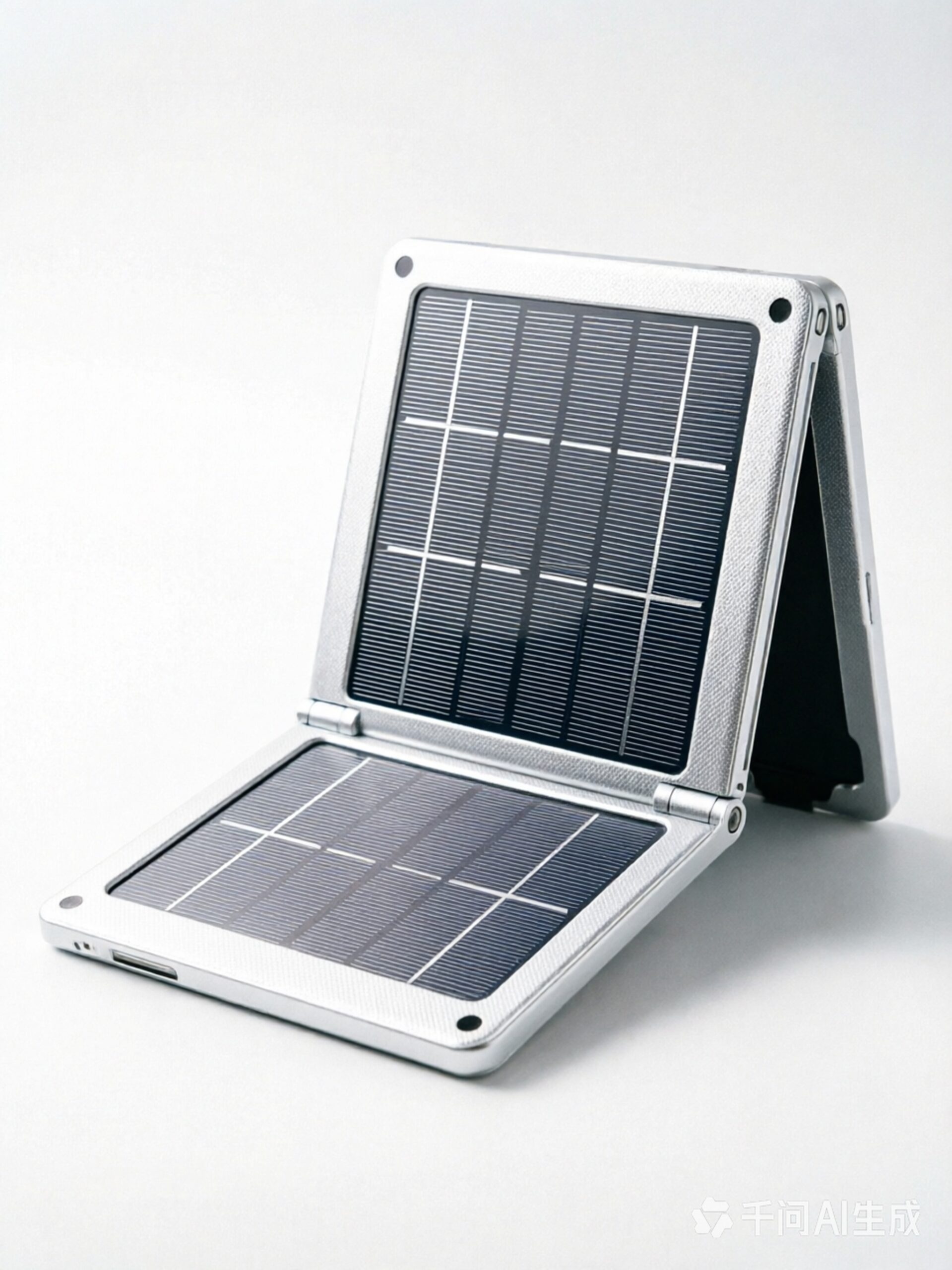
TL;DR: A solar battery stores surplus daytime power for nighttime use and keeps critical devices running during outages. You only really need one if you face frequent blackouts or steep evening rates — with net metering, the grid works as your storage. Plan for roughly 5-20kWh of capacity, choose lithium-ion for most homes, and budget accordingly.
Adding battery backup to your solar system lets you store energy for nighttime use and get through unexpected power outages. Still, it comes with a serious price tag, so it is not a purchase you should rush into. Below are the key points to weigh before placing your order.
Why Add a Battery? Your solar panels generate extra electricity during sunny hours, and a battery holds onto that surplus power. Once the sun goes down, you draw from this stored supply rather than purchasing power from the utility grid. When the power grid fails, the battery keeps your lights and critical household equipment up and running.
Batteries make the most sense for households that deal with regular blackouts, or locations where evening‑time electricity rates are steep.
How Much Storage Do You Need?
Battery capacity is measured in kilowatt‑hours (kWh). Use this quick reference to get a rough sense of your requirements:
‑ 5kWh: Runs your most important devices for several hours ‑ 10kWh: Handles overnight power demands for an average‑sized home ‑ 15‑20kWh: Supports full‑house operation or larger properties
You do not have to buy the largest unit right away. Pick one that covers your must‑have loads first, and you can upgrade or add extra units down the line.
A home battery system typically runs anywhere from $8,000 to $16,000 installed, with pricing shifting based on capacity and brand. Many regions offer government incentives that can knock 20-30% off your total expenses.
Types of Batteries
Lithium‑Ion This is by far the most widely used option for home solar setups. These units last 10‑15 years, deliver strong efficiency, and require almost no upkeep. They cost more upfront, yet most homeowners find the long‑term benefits justify the expense.
Lead‑Acid These cost less initially, but they are bulky, only last 5‑8 years, and call for regular maintenance work. They work as a budget pick for smaller‑scale solar projects.
What to Check Before Buying
Compatibility Double‑check that the battery works well with your current solar panels and inverter. Plenty of batteries on the market will not pair properly with every existing system.
Warranty Prioritize models with a 10‑year or longer warranty. Read the fine print carefully to understand exactly what is covered, and how the manufacturer handles gradual battery degradation.
Output Power Look into both continuous and peak output ratings. Confirm the battery can handle all your key devices drawing power at the same moment.
Do You Actually Need It? If net metering is available where you live, a battery is not mandatory. The power grid essentially functions as your virtual storage. A battery is worth considering only when one or more of these apply to you: ‑ Power outages happen often in your area ‑ You want greater energy self‑reliance ‑ Your utility charges much higher rates during peak hours ‑ You rely on medical equipment that cannot lose power
Conclusion A battery backup makes your solar setup far more flexible, yet it represents a major financial commitment. Start by evaluating how often outages occur and your real‑world energy demands. For most households, lithium‑ion is the sensible pick. Start small to cover your essential loads, and expand your storage capacity gradually if you need more later.
FAQ
Do I need a battery with my solar panels?
Only if you want backup power during outages or have steep evening electricity rates. If net metering is available, the grid acts as your storage and a battery is optional.
What size solar battery do I need?
A 5kWh battery runs essential devices for several hours, 10kWh covers overnight needs for an average home, and 15-20kWh supports full-house backup. Start with your must-have loads and add capacity later.
How much does a solar battery cost?
A home battery system typically costs $8,000-$16,000 installed, depending on capacity and brand. Government incentives can reduce the total by 20-30%.
Which battery type is best for home solar?
Lithium-ion is the best choice for most homes — it lasts 10-15 years, works efficiently, and needs almost no maintenance. Lead-acid costs less but only lasts 5-8 years and requires regular upkeep.
Can I add a battery to my existing solar system?
Usually yes, but check compatibility first. Not every battery pairs with every inverter and panel setup, so confirm before buying.
How long does a solar battery last?
Lithium-ion batteries typically last 10-15 years, and many come with a 10-year or longer warranty. Lead-acid batteries last only 5-8 years.
2 thoughts on “Solar Panels with Battery Backup – What to Know Before You Buy”