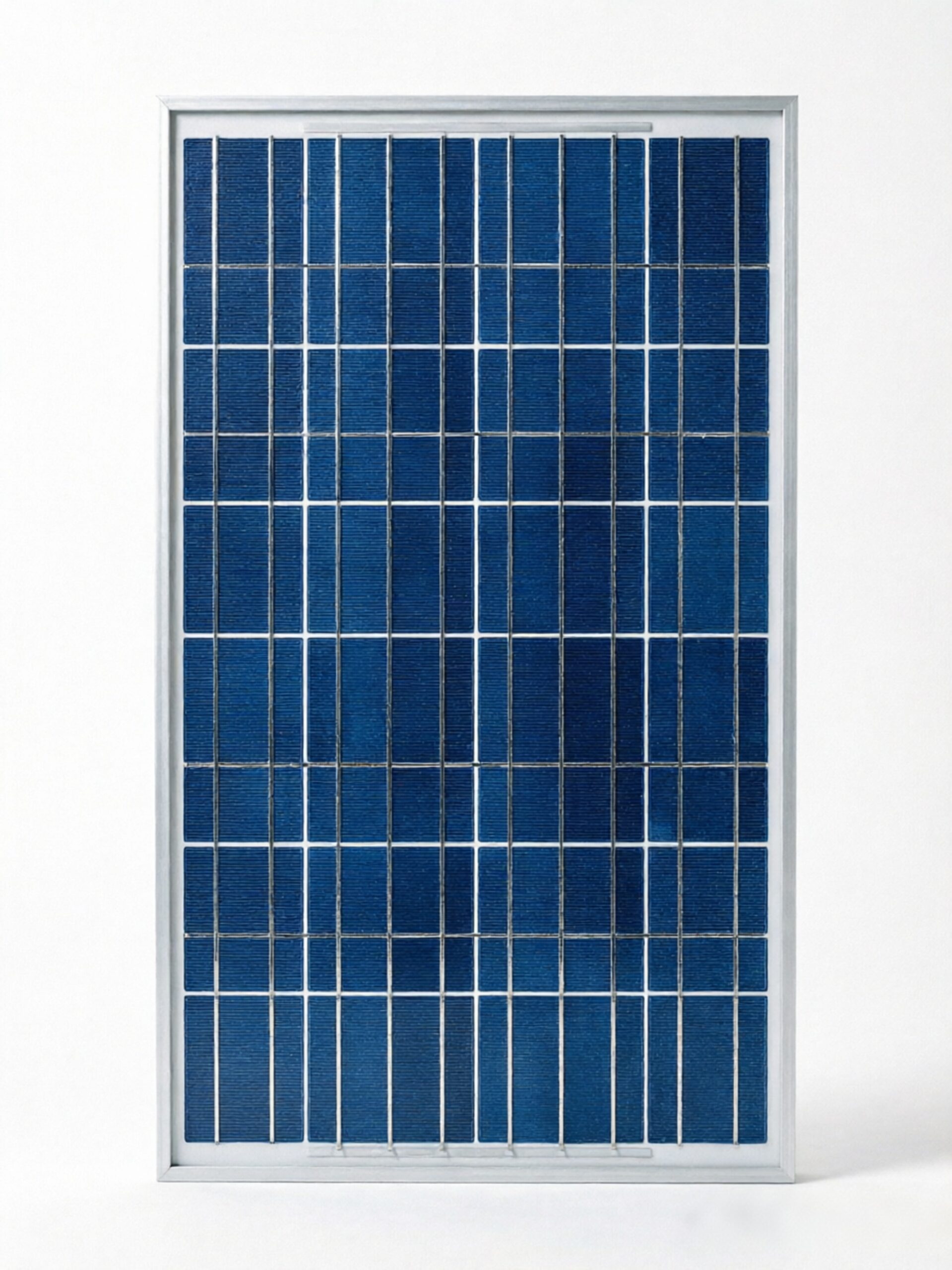
TL;DR: Solar energy for home offices, in short: a laptop, monitor, router and lamp draw roughly 1 kWh a day, and a desktop tower pushes that to 2-2.5 kWh. A 400W panel makes about 1.3 kWh in four hours of good sun, so it covers the laptop setup and not the desktop one. A 200-400W panel plus a 500-1,000Wh power station is the practical route for renters; a small grid-tied array is cheaper per kWh if you own the place.
Working from home is now a permanent reality for many people. Your home office draws power from computers, monitors, lighting, and other gear, and all of that adds up on your monthly utility bill. Solar energy offers a practical way to run your workspace while cutting down those electricity costs. If you are sizing a system from scratch, how much solar power you need runs the same calculation for a whole house.
How Much Power Does a Home Office Use?
A standard home-office setup draws somewhere between 100-300 watts each hour. Below is a general idea of how much each piece of equipment consumes:
| Equipment | Typical draw | Hours a day | Watt-hours a day |
|---|---|---|---|
| Laptop | 30-60W | 8 | 240-480 |
| Monitor | 20-50W | 8 | 160-400 |
| Router and modem | 10-20W | 24 | 240-480 |
| Desk lamp (LED) | 5-15W | 4 | 20-60 |
| Printer | 10-30W | Under 0.5 | 2-15 |
| Desktop tower | 100-300W | 8 | 800-2,400 |
Most home offices land somewhere between 1 and 2.5 kWh a day, depending on whether there is a desktop tower. A compact setup handles the lower end easily; the higher end needs either a bigger panel or the grid.
The Arithmetic That Decides Everything
Watt-hours are simply watts multiplied by hours. Add the devices you actually run and the number falls out – and it is almost always higher than people guess.
A laptop, one monitor, a router and a lamp come to roughly 1 kWh a day. The router matters more than people expect, because it runs 24 hours. A desktop tower with a large monitor is closer to 2-2.5 kWh, because the tower alone can draw 200W for eight hours.
On the supply side, a 400W panel in four hours of good sun produces about 1.3 kWh once you allow for real-world losses. That is the whole design conversation in two numbers: 1 kWh out, 1.3 kWh in.
What You Will Need
A Small Solar Panel
A 200W to 400W solar panel works perfectly for home-office use – small panels for balcony use covers the options. Set it up somewhere with solid sunlight, such as your balcony, backyard patio, or rooftop.
A Portable Power Station
The power station stores energy collected from your panels and gives you standard outlets to plug in your devices. A 500Wh to 1000Wh model can keep your laptop, monitor, and lights going for multiple hours at a time. Choosing a power station comes down to surge rating and battery chemistry, not the headline watt-hours.
If you would prefer something more long-term, you can go with a grid-tied system instead. Hook up a small solar array to your household electrical grid. Throughout sunny daytime hours, solar covers your office load, and any extra energy flows back onto the grid.
Portable vs Grid-Tied: Which Fits Your Office
| Portable panel + power station | Small grid-tied array | |
|---|---|---|
| Typical cost | $600-$1,200 | $5,000-$8,000 before incentives |
| Installation | None – plug in and go | Electrician, permit and utility approval |
| Covers a laptop office | Yes, for most of the day | Yes, and the rest of the house |
| Works in a power cut | Yes | No, unless it has battery backup |
| Usable if you rent | Yes | Not practically |
| Takes it with you when you move | Yes | No |
| Best for | Renters, small loads, outage backup | Owners who want permanent savings |
Three Things That Surprise People
- Panel ratings are laboratory numbers. A 400W panel is rated at 25°C with the sun directly overhead. Flat on a balcony in October you will see a fraction of that, which is why the sizing uses sun hours rather than the label.
- Most of a home office runs on USB-C. A 100W USB-C PD output from a power station beats an AC inverter for a laptop and monitor – inverters waste 10-15W just being switched on.
- Winter is a different system. Shorter days and a low sun can halve output. A 400W panel that makes 1.3 kWh in June may make 0.5 kWh in December in a northern state.
Benefits of Solar for Your Home Office
Lower Electricity Bills
Running your workspace on solar means you draw less purchased power from the utility company. Those savings accumulate steadily across a full year.
Backup Power During Outages
Pair your panels with battery storage, and your home office keeps operating even when the grid goes down. That can make a huge difference when your income relies on remote work.
Flexible Working Locations
Portable solar gear opens up more options. You can get work done out on the balcony, in the garden, or use compact solar chargers when you are away from home.
Reduce Your Carbon Footprint
Powering your daily work tasks with solar also lowers your overall environmental footprint.
Wrapping Things Up
Your home office is one of the most straightforward spots to take advantage of solar power. A basic combination of a small panel and portable power station meets most everyday energy demands. Starting out with a 200W panel plus a power station lets you work in a more eco-friendly way while keeping extra cash in your pocket.
FAQ
How many solar panels do I need for a home office?
One 200-400W panel covers a laptop-based office in a sunny climate. If you run a desktop tower, budget for 600-800W of panels, or accept that the grid covers the difference.
Can a portable power station run my whole office all day?
Yes for a laptop, monitor, router and lamp – that is roughly 1 kWh a day, and a 1,000Wh station covers most of it. Add a printer or a desktop and you will need to recharge during the day.
Is a grid-tied system better than a portable setup?
For a homeowner planning to stay, usually yes: it is cheaper per kWh over 25 years and it offsets the whole house. For a renter, or for outage backup, the portable setup is the practical choice.
Will solar keep my office running in a power cut?
Only with a battery, and only if the inverter is designed for backup. A grid-tied system shuts down during an outage for safety unless it has battery storage – what happens during an outage explains why.
How much does a home office solar setup cost?
A 400W folding panel plus a 1,000Wh power station runs roughly $600-$1,200. A small grid-tied array of 2-3kW costs $5,000-$8,000 before incentives.
Does a panel work on a north-facing balcony?
It produces, but far less – often 30-50% of a south-facing panel at the same tilt. If the balcony only gets morning or evening sun, expect the lower end.
Check out portable solar panel and power station options on Amazon
Related: How to Choose a Portable Power Station for Home Backup