TL;DR: Choosing the right solar charge controller comes down to two types. PWM controllers are cheap ($20-$60) and fine for small systems under 200W. MPPT controllers cost more ($100-$400) but harvest up to 30% more energy, especially in cloud, shade or cold weather. Above 200W, always go with MPPT.
Solar Charge Controller Guide: PWM vs MPPT
A solar charge controller may look small, but it plays a critical role in every solar power system. It controls the voltage and current that flows from solar panels into the battery. By keeping the charging process stable, it prevents overcharging damage and effectively extends your battery’s overall lifespan.
If you are shopping for a charge controller for the first time, it helps to understand how they work and which type fits your setup best.
What a Charge Controller Does
Solar panels constantly produce power during daylight hours, and batteries cannot always handle that unregulated energy flow on their own. Without a charge controller, excess power will overcharge the battery and gradually wear it out.
The controller basically acts like a smart gatekeeper. It adjusts the incoming power supply and ensures the battery only receives a safe, suitable amount of energy at all times.
Two Common Types of Solar Charge Controllers
PWM Controllers
PWM, or Pulse Width Modulation, controllers are the simpler, more budget-friendly option on the market. They usually cost between $20 and $60 and work reliably for basic small-scale systems under 200W.
That said, their energy efficiency is relatively limited. Their performance drops noticeably in cold temperatures or partially shaded environments, which makes them less adaptable for changing weather conditions.
MPPT Controllers
MPPT stands for Maximum Power Point Tracking. These controllers come with a higher price tag, generally ranging from $100 to $400. Even so, they deliver far better efficiency than PWM models.
They can capture up to 30 percent more energy from the same solar panels, performing steadily in cloudy weather, low light, and cold temperatures. For any system over 200W, MPPT controllers are the more reliable and practical choice.
How to Choose Between PWM and MPPT
Your decision mainly depends on your system size, budget, and local weather conditions.
Choose a PWM controller if:
- Your solar system is small, under 200W
- You want to keep your overall cost low
- Your area has consistent warm weather and plenty of direct sunlight
Choose an MPPT controller if:
- Your system exceeds 200W
- You want to get the best possible energy output
- Your location often has cloud cover, shade, or cooler temperatures
- You do not mind spending a little more upfront for better long-term performance
Extra Features to Look For
Beyond basic functionality, many controllers include convenient extras that improve user experience.
Display Screen
Models with a built-in screen show real-time data, including battery level, solar input power, and running status. This feature lets you monitor your system easily without extra tools or devices.
USB Ports
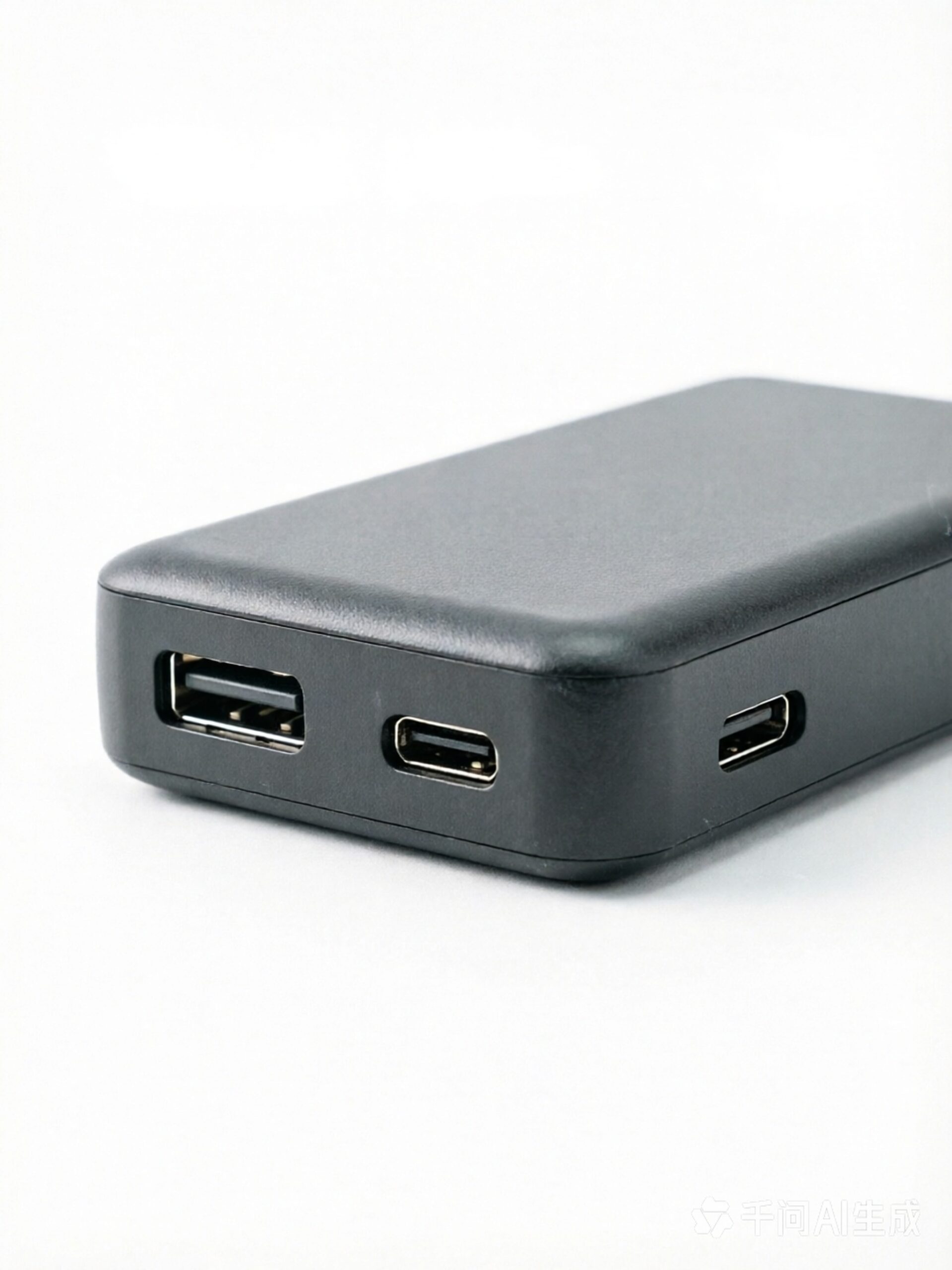
Some controllers add built-in USB ports for directly charging phones and other small electronics. This brings extra convenience, though it does raise the total price slightly.
Temperature Compensation
Higher-quality controllers can adjust charging levels based on ambient temperature. This smart adjustment protects the battery from damage during extreme heat or cold, making your system more stable year-round.
Load Output Terminals
A dedicated load output lets you run lights or small devices straight from the controller, with a timer or dusk-to-dawn setting. It is a small feature that saves you wiring a separate fuse box on simple off-grid setups.
Conclusion
There is no one-size-fits-all option for charge controllers. The right choice depends on your system scale, budget, and local climate.
For most household setups at 200W or above, an MPPT controller is worth the extra cost thanks to its higher efficiency and better adaptability. For small, portable solar systems, a basic PWM controller is fully enough to meet daily needs.
FAQ
What size charge controller do I need?
Match the controller to your panel wattage and battery voltage. As a rule of thumb, divide your total panel wattage by your battery voltage, then add a 25% safety margin. A 200W array on a 12V battery needs a controller rated at around 20A.
Can I use an MPPT controller on a small system?
Yes. MPPT controllers work at any size, but their price advantage only pays off on systems above roughly 200W. On a tiny setup, the extra cost rarely earns back the efficiency gain.
Do I need a charge controller if I only have one small panel?
For panels under about 5W feeding a small battery, many people skip it. Above that, a controller is strongly recommended, because unregulated charging shortens battery life.
Why does my controller show a low input voltage?
Usually it means shading, a panel facing the wrong way, or a loose connection. Check the wiring first, then the panel orientation, before assuming the controller itself is faulty.