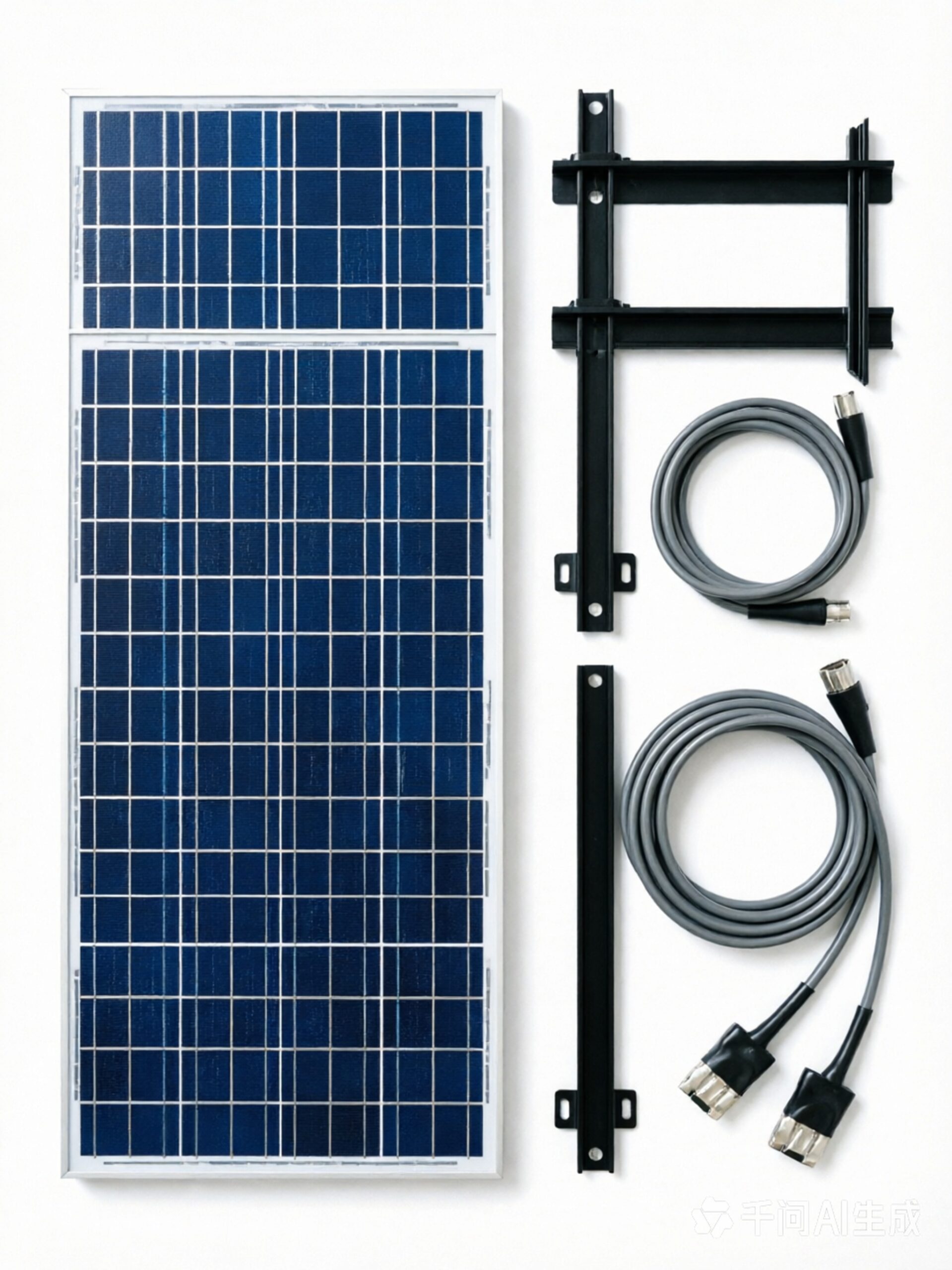
TL;DR: Winter care for solar panels: clear snow gently with a soft roof rake (never metal tools), tilt panels steeper (45-60 degrees) if you can, and accept shorter days as normal. Cold actually helps panels run more efficiently. Watch for ice buildup and track output in your inverter app for unexpected drops.
Solar panels are designed to operate throughout the entire year, but cold winter weather brings a few unique conditions that can affect their performance. With simple routine care, you can keep your panels running efficiently even during the coldest months. Below are the most practical winter maintenance tips.
Safe Snow Removal
When snow piles up on solar panels, it completely blocks sunlight and stops energy production. You can clear snow gently using a soft roof rake or a long-handled broom. Always avoid metal tools or sharp equipment, because these can easily scratch the panel’s glass surface and cause permanent damage. If your panels are installed on a steep roof, accumulated snow will often slide off naturally on its own.
Adjust Your Panel Angle
The sun sits much lower in the sky during winter, which changes the way sunlight hits your panels. If your system has adjustable mounts, tilting panels to a steeper angle helps capture more sunlight throughout the day. For most areas, a tilt angle between 45 and 60 degrees delivers the best winter power intake.
Adapt to Shorter Daylight Hours
Shorter winter days naturally limit how much energy your solar system can generate, and this slight drop in output is completely normal. You can work around this simple issue by rescheduling power-heavy household tasks. Try running laundry cycles or dishwashers during midday, when sunlight is the brightest and panel output reaches its daily peak.
Cold Weather Brings Hidden Benefits
It may sound surprising, but cool temperatures actually help solar panels perform better. Panels turn sunlight into electricity more effectively in cold weather, while extreme summer heat usually lowers their efficiency. This means even with shorter daylight hours, your panels can work more efficiently per hour of sunlight than they do in warmer seasons.
Watch Out for Ice Buildup
Ice often forms along panel edges in winter, especially on roofs with poor water drainage. Over time, this buildup blocks water flow and may lead to gradual surface or structural damage. You can clear ice carefully with warm water or simply let it melt away naturally on warmer days to keep panels clean and unobstructed.
Keep Track of System Performance
It’s wise to monitor your solar output more closely during winter. Most modern inverters connect to mobile apps that show real-time energy production data. If you see an unexpected drop in power generation, check for lingering snow, frozen ice layers, or new shading from tree branches.
Winter is also a great time to review your full-year energy usage. You can assess your system’s performance and plan small upgrades or adjustments for the upcoming spring. With consistent, gentle maintenance, your solar panels will stay reliable and productive all winter long.
FAQ
Do solar panels work in winter?
Yes. Panels actually run more efficiently in cold weather. Shorter daylight hours reduce total output, but that’s normal and easy to plan around.
How should I remove snow from solar panels?
Use a soft roof rake or long-handled broom. Never use metal or sharp tools, which can scratch the glass permanently.
Should I change my panel tilt in winter?
If your mounts are adjustable, a steeper angle of 45-60 degrees captures more winter sunlight.
Does ice damage solar panels?
Ice along panel edges can block drainage and cause gradual damage. Clear it carefully with warm water or let it melt naturally.
Why is my solar output lower in winter?
Shorter days mean fewer sunlight hours. If output drops suddenly beyond the seasonal change, check for snow, ice, or new shading.
2 thoughts on “Solar Panel Maintenance in Winter – What You Need to Know”