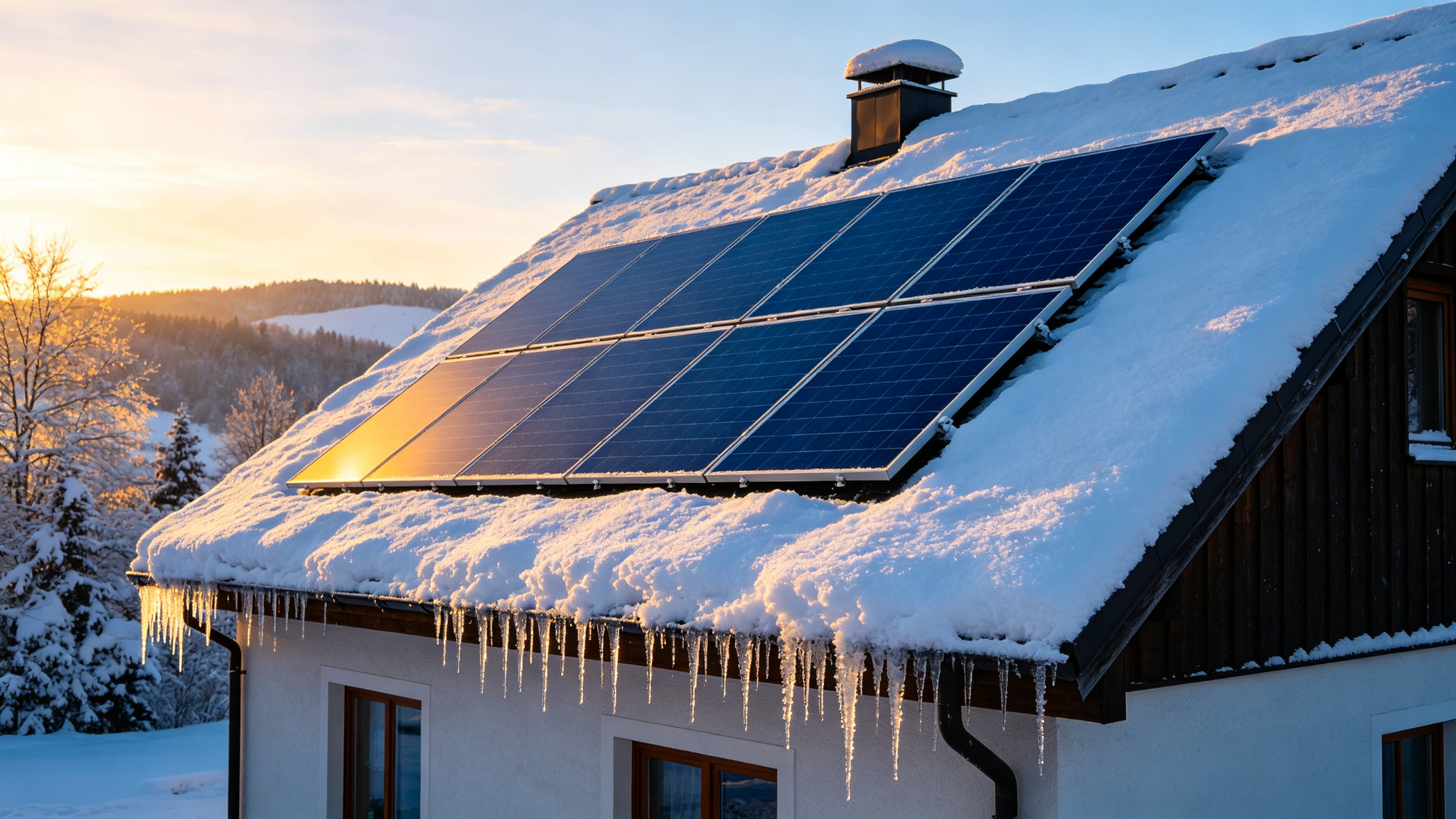
TL;DR: If you’re wondering how much roof space you need for solar, plan on about 75-80 square feet of clear, unshaded roof for every 1kW of panels. A typical 6kW system needs roughly 450-500 square feet. Only south-facing, obstacle-free space counts, so measure usable roof, not total roof.
One of the first questions in any solar project is whether your roof is big enough for the system you want. The good news is that most homes have plenty of space. Here’s a simple way to estimate how much roof space you need for solar before you ever talk to an installer.
The Rule of Thumb
Most modern residential panels are 400W and measure about 3.3 feet by 5.5 feet — roughly 18 square feet each. To keep the math simple, plan on about 75-80 square feet of clear roof for every 1kW of solar you want to install.
- 3kW system: about 225-240 sq ft
- 5kW system: about 375-400 sq ft
- 6kW system: about 450-480 sq ft
- 10kW system: about 750-800 sq ft
The Simple Formula
Start with your desired system size in kilowatts, then multiply by the area factor:
System size (kW) × 80 sq ft = roof space needed
For a 6kW system: 6 × 80 = about 480 sq ft of clear roof area. If you use this formula and your roof comes up short, you can switch to higher-efficiency panels, which produce more power per square foot.
Only “Usable” Roof Counts
Not every square foot of roof works for solar. Subtract areas taken up by:
- Chimneys, vents, and skylights
- Ridge lines and roof edges (panels need setbacks)
- Heavily shaded sections from trees or nearby buildings
- Roof planes facing the wrong direction
Orientation Matters More Than Total Space
In the Northern Hemisphere, south-facing roof space is the most valuable. East- and west-facing roofs still work, but each panel produces less, so you need more panels for the same output. If most of your roof faces north, solar is usually not worth installing.
How to Measure Yours at Home
You can get a rough estimate without climbing on the roof: measure the footprint of your house, then estimate how much of the roof faces south and is free of obstacles. Or open a satellite map of your home in an online tool and sketch out the clear areas. For accuracy, an installer will do a proper site survey with exact measurements.
What If You Don’t Have Enough Roof Space?
A quick example: if your installer says you need a 6kW system to cover your full usage, expect to dedicate roughly 480 square feet of roof area, or about 26-27 panels of 400W each. If only part of your roof is usable, you may need higher-efficiency panels to fit the same output into less space, or accept a slightly smaller system that still covers most of your bills.
Other options include installing on a garage or carport, adding a ground-mounted array, or choosing a smaller system that covers the bulk of your usage and expanding later.
Conclusion
Working out how much roof space you need for solar comes down to one simple rule: allow about 80 square feet of clear, usable roof per kilowatt. Measure your south-facing, unshaded area first, and an installer can design a system that fits your space and your budget.
FAQ
How many square feet does one solar panel need?
A typical 400W panel measures about 3.3 x 5.5 feet, or roughly 18 square feet. Installers also leave small gaps between panels for access.
How much roof space for a 10kW solar system?
Plan on about 750-800 square feet of clear, usable roof area for a 10kW system with 400W panels.
Can I install solar if my roof is small?
Often yes. Higher-efficiency panels produce more power per square foot, so a small south-facing roof can still support a useful system.
Does roof direction affect how much space I need?
Yes. South-facing panels produce the most, so east- or west-facing roofs need more panels and more space for the same output.
Should I measure my roof myself before getting quotes?
A rough estimate helps you set expectations, but let the installer do an exact site survey before you commit.
Can I install solar on only part of my roof?
Yes. Many homes cover 70-90% of their usage with panels on just the best roof planes. An installer can design a partial system that maximizes output from the usable space you have, and you can expand later if needed.
Related: How Many Solar Panels Do I Need in 2026 – Simple Formula + Calculator
1 thought on “How Much Roof Space Do You Need for Solar – A Simple Formula”