Solar Energy and Net Zero Homes – How to Get There

Solar Energy and Net Zero Homes - How to Get There

TL;DR: Net zero home solar is a whole-house plan, not just a roof full of panels. Cut demand first, replace gas appliances with efficient electric ones, then size the array to cover the remaining annual energy. A battery is optional if the grid credits exports, but it is useful for outages and necessary for off-grid … Read more

Solar Panels for Renters – 5 Portable Options That Need No Permission

Solar Panels for Renters - 5 Portable Options That Need No Permission

TL;DR: Renters can use solar without drilling or landlord sign-off. Five portable options: solar chargers ($15-$45), solar power banks, plug-in balcony panels (100-400W), solar garden lights, and solar fans or lanterns. Most need no permanent changes, so you can take everything when you move. Renting a place doesn’t rule out using solar energy. You don’t … Read more

Solar Panel Warranties Explained – What’s Covered and for How Long

Solar Panel Warranties Explained - What's Covered and for How Long

TL;DR: A solar panel warranty is three separate contracts: product (10-12 years), performance (25-30 years, 90% at year 10 and 80-85% at year 25), and workmanship from your installer (5-10 years). The performance curve and who pays labour matter more than the headline length. Get all three in writing before you sign. “25-year warranty” is … Read more

Solar Panel Insurance – Do You Need It and What Does It Cover

Solar Panel Insurance - Do You Need It and What Does It Cover

TL;DR: Solar panel insurance is usually part of a standard homeowner’s policy, but “usually” is not a coverage decision. Roof-mounted panels are often covered under dwelling protection for fire, wind, hail and falling debris. Wear and tear, defects, faulty installation, flood and earthquake are commonly excluded, and batteries or ground mounts may need a rider. … Read more

How to Read Your Electricity Bill Before Going Solar

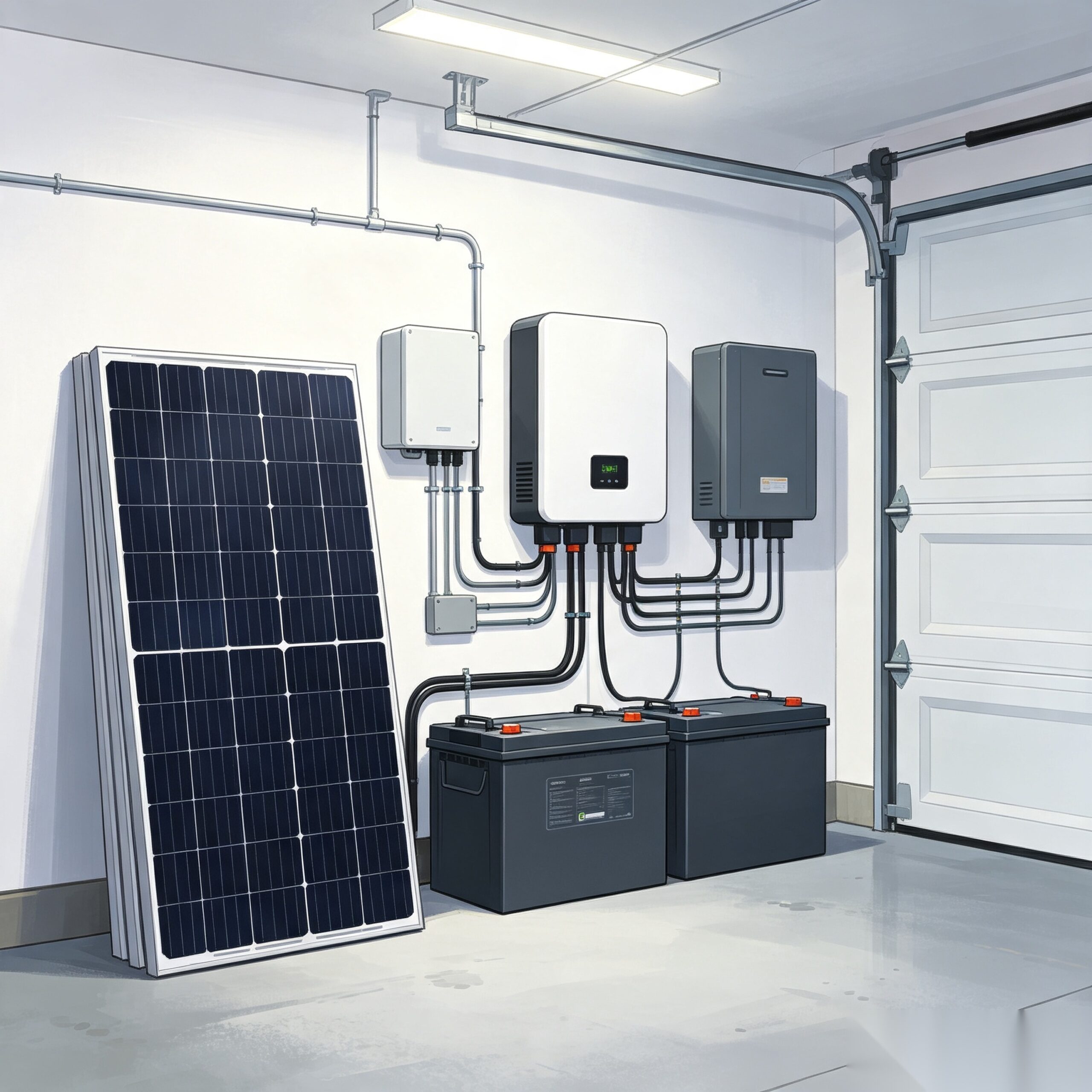
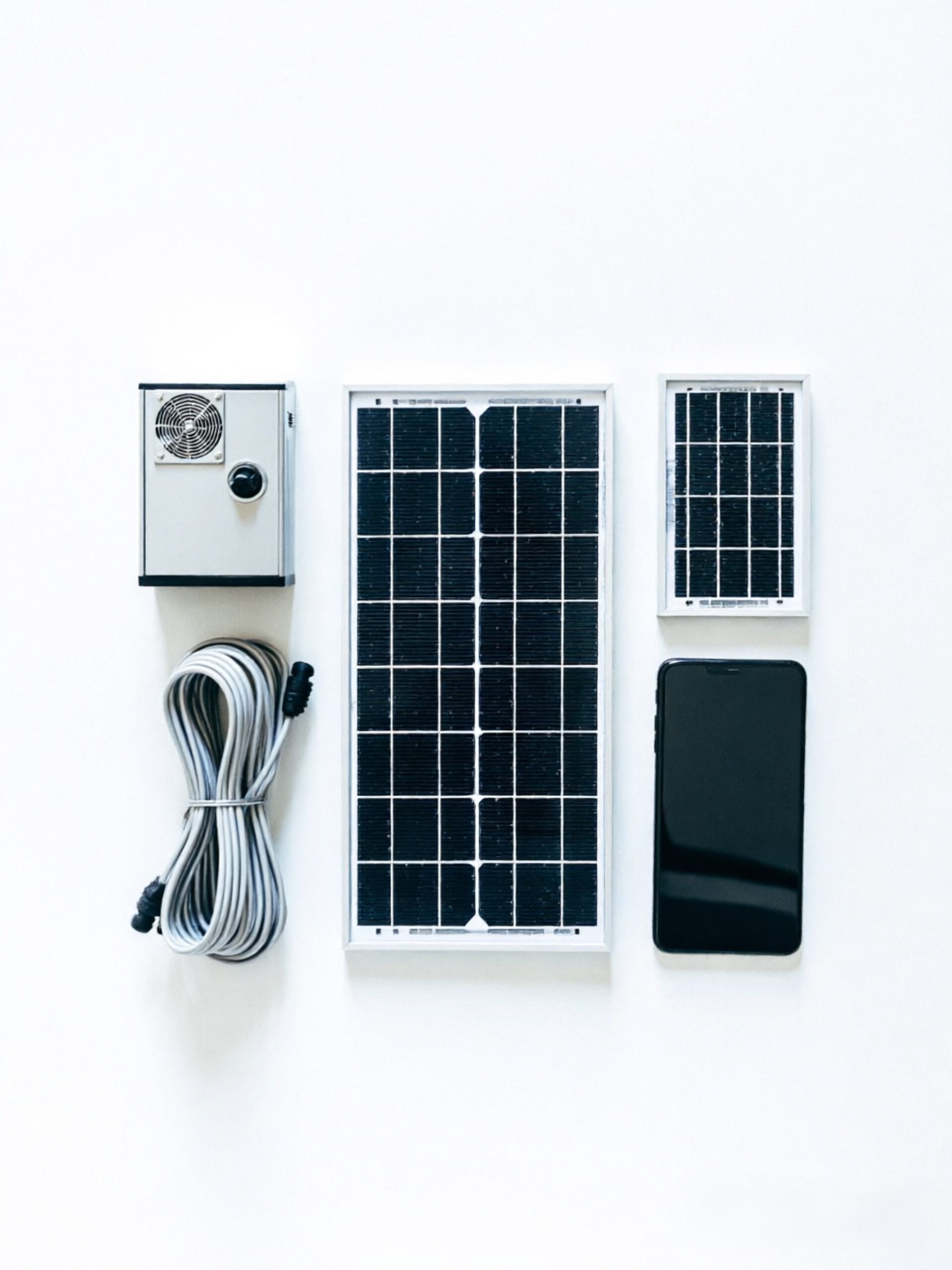
solar_semireal_04_garage_system

TL;DR: How to read your electricity bill for solar comes down to four numbers: annual kWh, the supply rate, the delivery charge and the fixed fee. Your effective cost per kWh is the total bill divided by kWh, and it is always higher than the headline rate. Solar offsets the supply charge, not the fixed … Read more

As an Amazon Associate, I earn from qualifying purchases.