How to Choose a Solar Installer – Questions to Ask Before Hiring

How to Choose a Solar Installer - Questions to Ask Before Hiring

TL;DR: How to choose a solar installer comes down to four checks: a licence you verified yourself, insurance you have seen, three past clients you actually called, and three quotes normalised to dollars per watt. The workmanship warranty matters more than the panel brand, because the panel is covered by the manufacturer and the roof … Read more

Microinverters vs String Inverters – Which Is Better for Your Solar System

How to Choose a Solar Installer - Questions to Ask Before Hiring

TL;DR: Microinverters vs string inverters comes down to shade, roof layout and budget. String inverters are cheaper and suit simple, shade-free roofs, but one shaded panel drags down the whole string. Microinverters cost more, yet each panel works independently – ideal for partial shade, multi-slope roofs, and easy expansion. The inverter sits among the most … Read more

Government Incentives for Solar Energy – Tax Credits and Rebates Explained

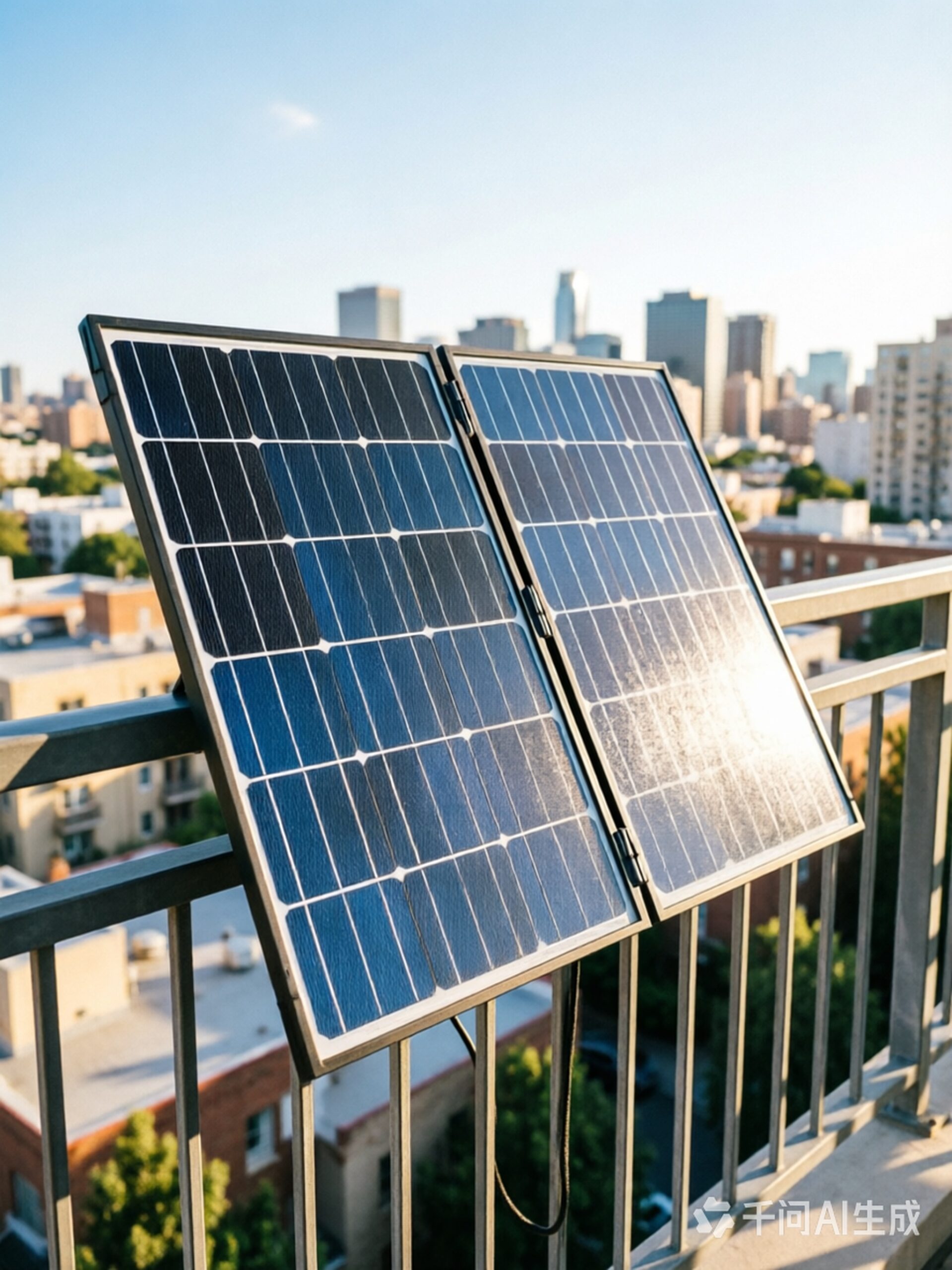
Solar Energy for Apartments - Can Renters Use Solar Power?

TL;DR: Government incentives can cut your solar costs by 30-50% or more. The big ones: the U.S. federal tax credit (30% of system cost), state and local rebates, net metering credits for surplus power, and SREC certificates that add extra annual income. Always check local programs like DSIRE before you install. Many people hesitate to … Read more

The Pros and Cons of Leasing Solar Panels

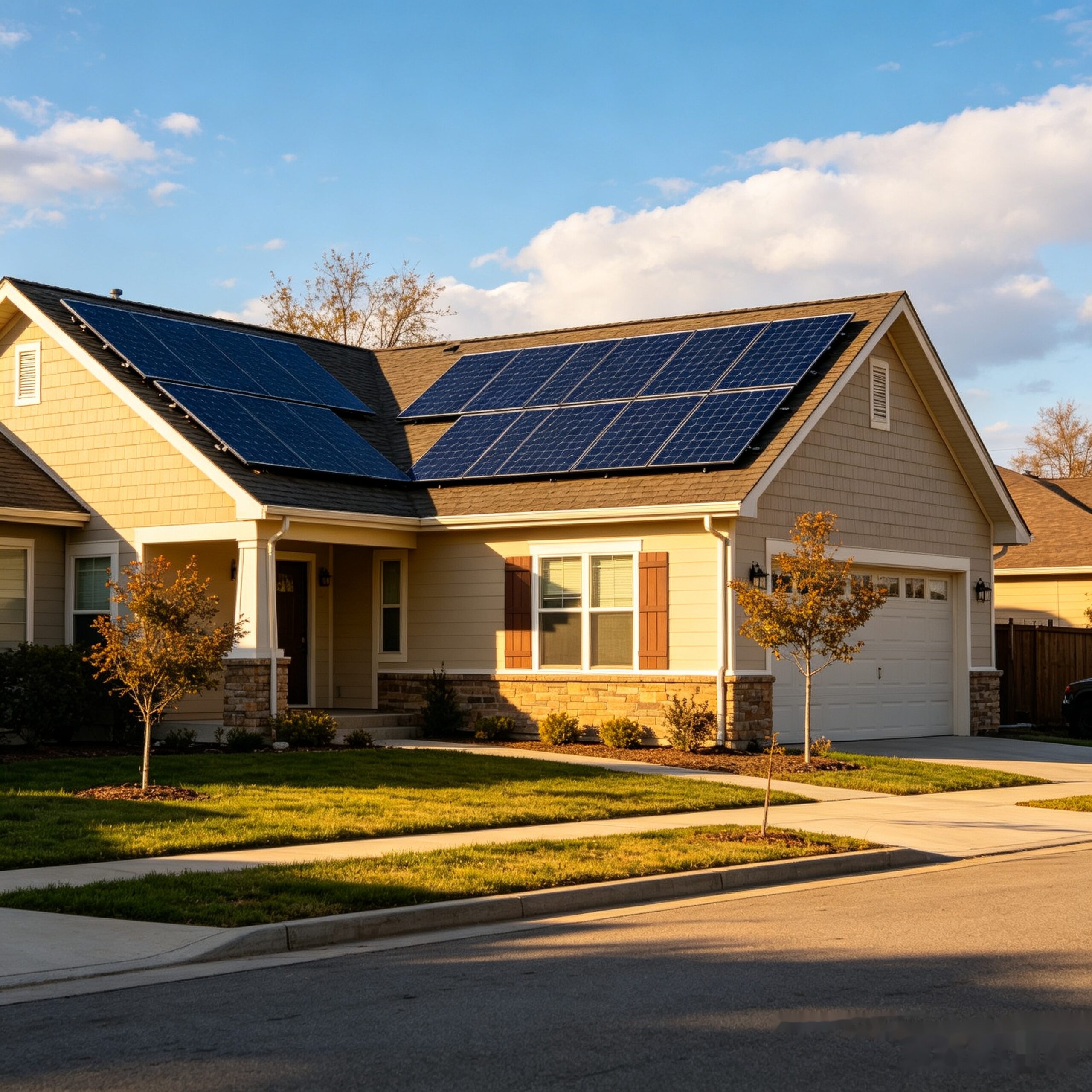
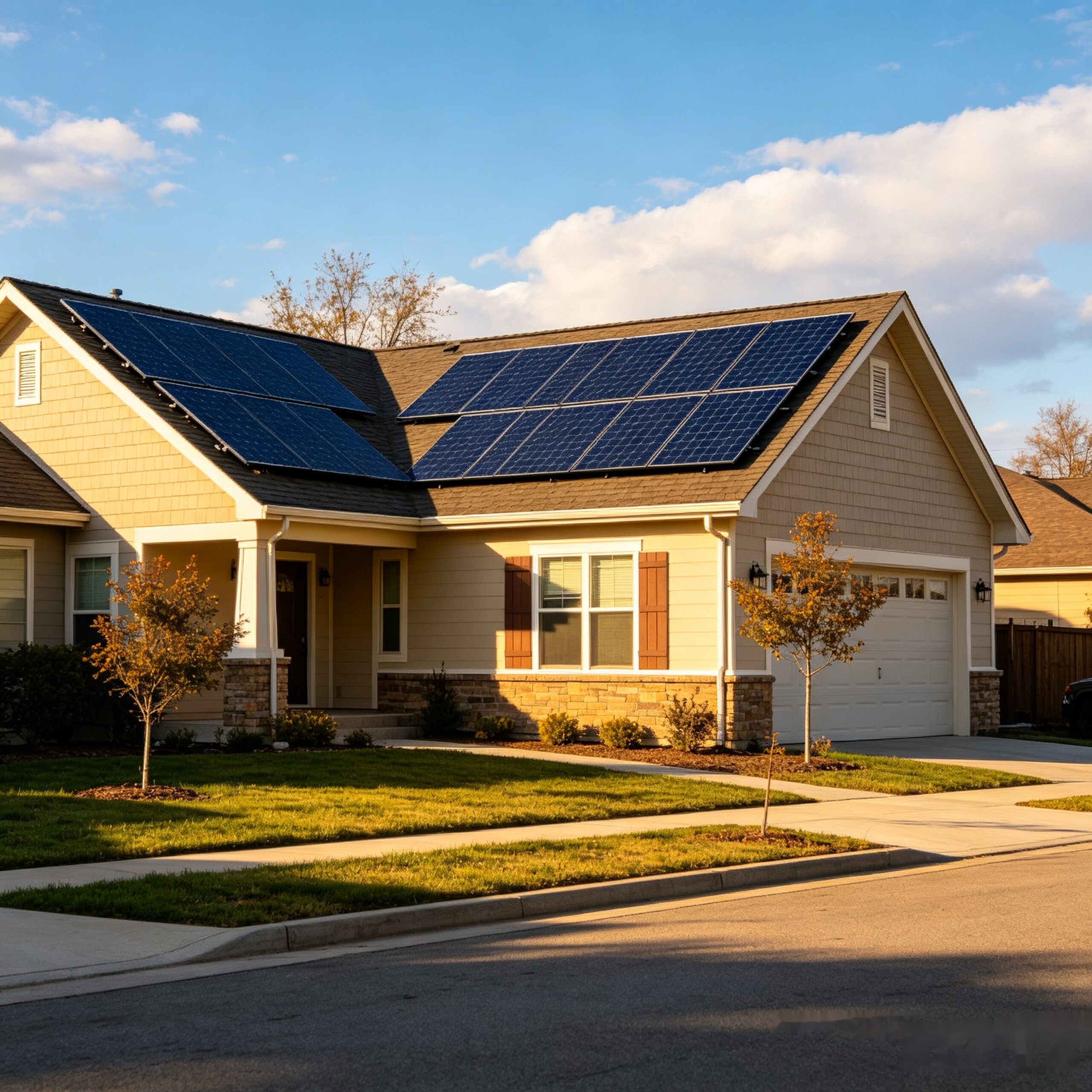
Solar panels on a residential roof

TL;DR: Leasing solar panels means zero upfront cost and included maintenance, with a payment that usually starts below your old power bill. The trade-offs are the ones people miss. The term runs 20-25 years, the payment carries an annual escalator that compounds – at 2.9% a $100 payment becomes about $199 by year 25, and … Read more

Can You Run Your Home on Solar Power Alone

Can You Run Your Home on Solar Power Alone

TL;DR: Running a home entirely on solar is possible but expensive: a typical home needs 5-10kW of panels (15-30 units) plus a 10-20kWh battery bank and often a backup generator for cloudy stretches. For most homeowners, grid-tied or hybrid solar is the smarter choice — it still cuts bills by 50-80% without the cost and … Read more

As an Amazon Associate, I earn from qualifying purchases.