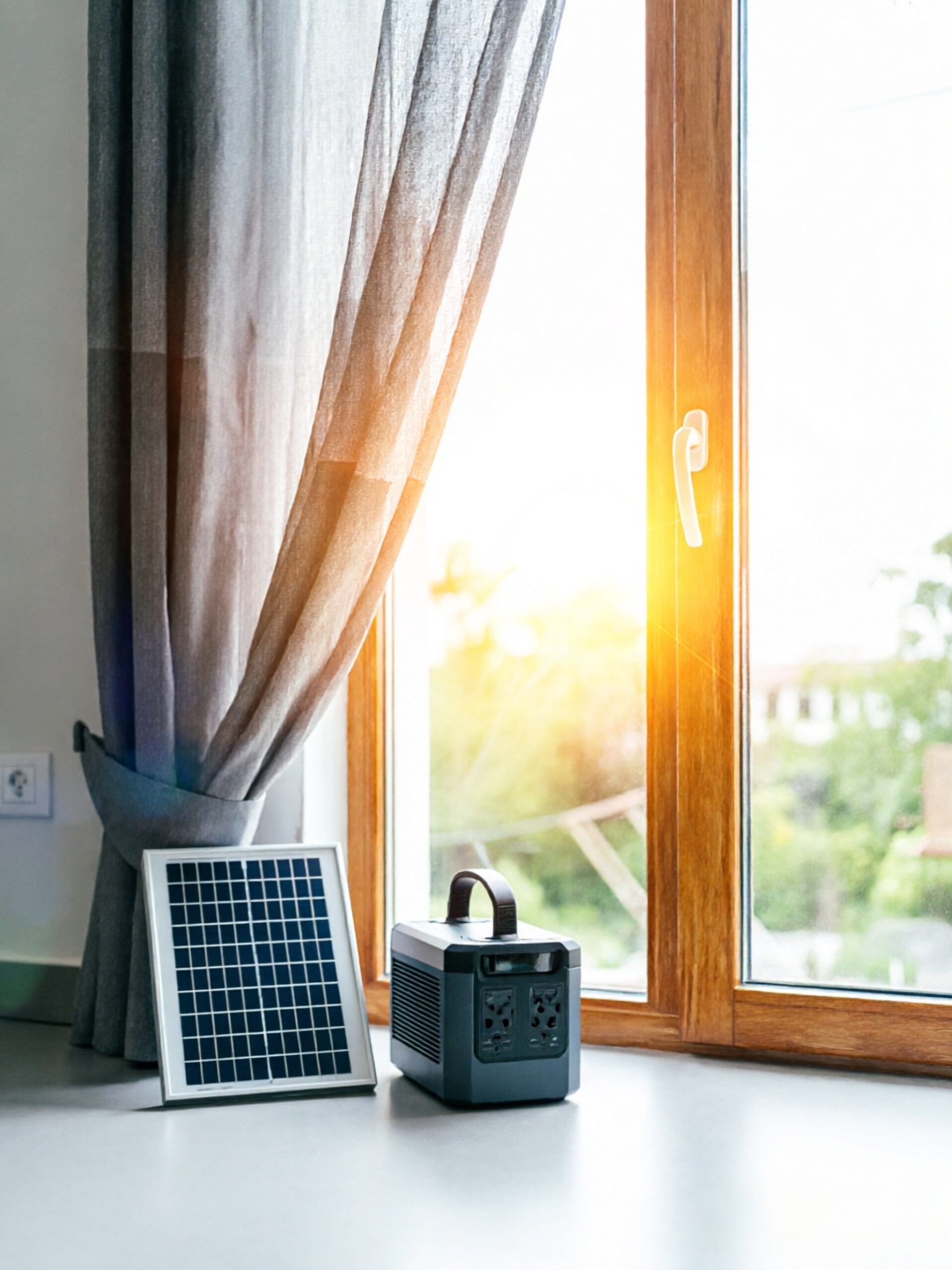
Solar Garden Lights: How They Work, Types and Buying Guide
Solar-powered garden lights are one of the simplest ways to spruce up your outdoor space. They let you create a cozy, lit-up backyard atmosphere without adding anything to your monthly electricity costs.
If you’re new to these outdoor fixtures and planning your first purchase, this guide covers all the key details you’ll need to know.
How Solar Garden Lights Work
Every solar garden light comes with a compact solar panel on its top surface. Throughout the day, this panel soaks up sunlight and stores energy in a built-in rechargeable battery. Once dusk falls and natural light fades, the light switches on automatically using the power it stored earlier. Best of all, they need no wiring, no power outlets, and generate zero electricity fees long-term.
Common Types of Solar Garden Lights
Path Lights
These simple stake lights push straight into the ground along walkways, garden paths, or driveways. They give off gentle, subtle illumination, lighting up dark outdoor areas and helping guests navigate safely after dark.
String Lights
Solar string lights are incredibly versatile. You can hang them on fences, tree branches, or patio pergolas to instantly warm up your outdoor space. They’re perfect for casual evening relaxation, backyard gatherings, and outdoor dinners.
Spotlights
Solar spotlights put out far brighter light than standard garden fixtures. They’re designed to draw attention to your garden’s standout features, whether that’s a lush tree, decorative statue, yard sign, or landscaped focal point.
Wall Lights
Wall-mounted solar lights attach directly to the exterior of your home or garage. They deliver reliable overhead lighting for entryways, patios, and small outdoor seating areas, boosting both visibility and curb appeal.
Key Features to Check When Buying
Brightness (Lumens)
Lumen values directly correspond to light brightness. For soft, subtle path lighting, 10 to 30 lumens is more than enough. If you’re picking spotlights for accent lighting, aim for options with 100 to 300 lumens for clear, vivid illumination.
Battery Capacity
Battery size determines how long your lights can run after dark. To enjoy consistent all-night lighting, choose models with a battery capacity of at least 600mAh.
Weather Resistance
Outdoor lights face constant exposure to wind, rain, and snow. Always pick lights with an IP65 or higher waterproof rating, so they can withstand harsh weather and last through every season.
Solar Panel Quality
Not all solar panels perform the same. Monocrystalline solar panels offer better efficiency and faster charging speeds compared to traditional polycrystalline panels, making them the more reliable choice for long-term use.
Conclusion
Solar garden lights are budget-friendly, tool-free to install, and need almost no ongoing upkeep. If you’re unsure where to start, try out a small set of path lights first to test the look and performance. You can easily add more styles later to upgrade your outdoor setup.

It’s an easy win: your garden will feel warmer and more inviting, and you’ll cut down on unnecessary household electricity expenses.