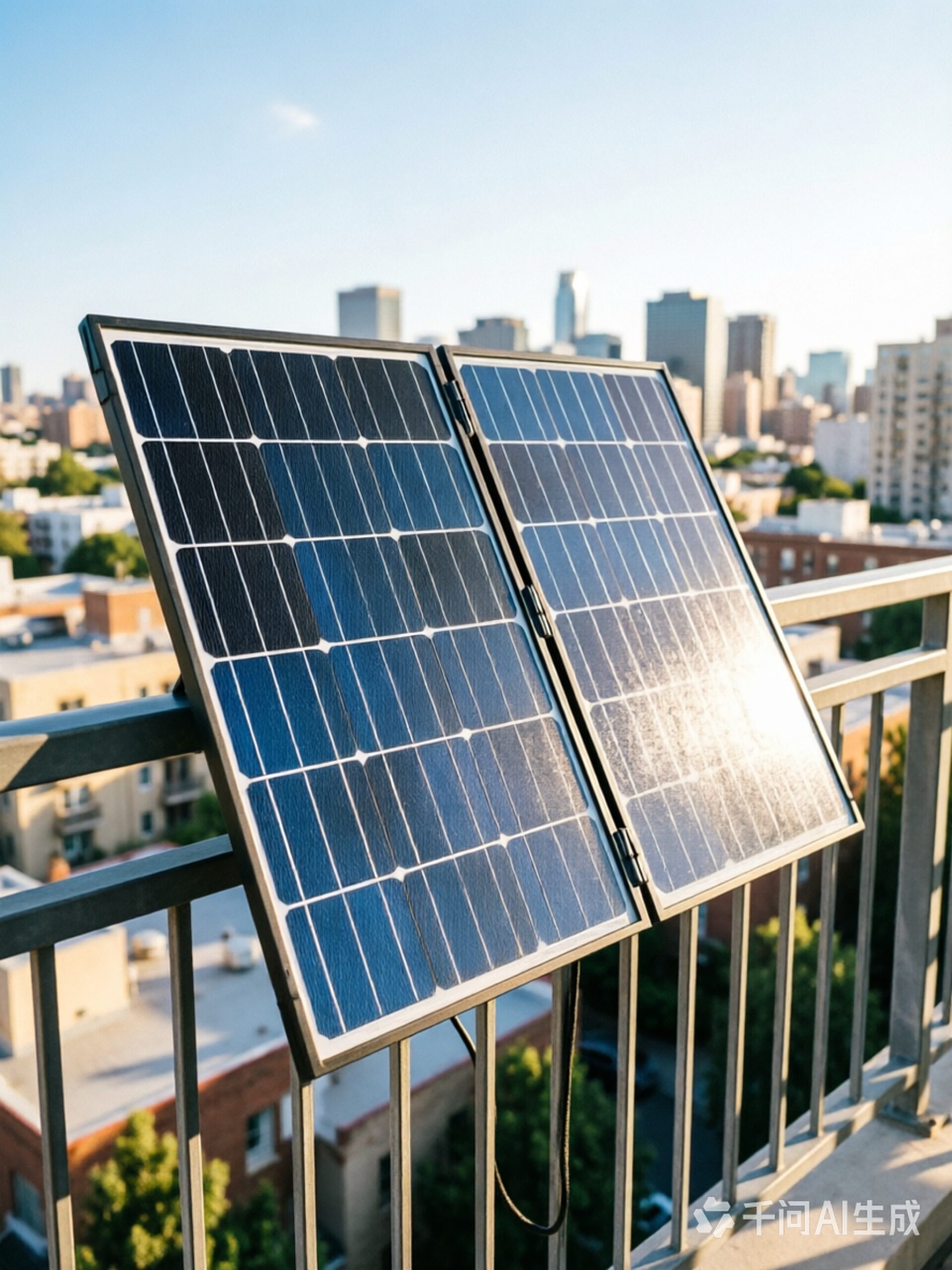
TL;DR: Solar panel installation cost in the US in 2026 is commonly around $2.50-$3.50 per watt before incentives, or roughly $15,000-$35,000 for a 6-10 kW home system. The quote includes panels, inverter, racking, labour, permits and interconnection, but not every roof or electrical upgrade. Compare at least three bids on the same scope, and do not assume a federal or state incentive will still be available.
A solar quote is a project price, not a panel price. Two bids for the same array can differ by thousands of dollars because one includes a panel upgrade, a longer trench, a better inverter or a workmanship warranty. The useful comparison is scope, equipment and production, not the headline dollar per watt alone.
Solar Panel Installation Cost: Short Answer
Most US homeowners pay roughly $2.50-$3.50 per installed watt before incentives, with wide regional variation. A 6 kW system often lands around $15,000-$21,000; an 8 kW system around $20,000-$28,000; a 10 kW system around $25,000-$35,000. Battery storage, a main panel upgrade, a ground mount or a difficult roof can add thousands more.
Cost by System Size
| System size | Typical installed cost | Approx. cost per watt | Best for |
|---|---|---|---|
| 4 kW | $10,000-$15,000 | $2.50-$3.75 | Small home or low usage |
| 6 kW | $15,000-$21,000 | $2.50-$3.50 | Average efficient home |
| 8 kW | $20,000-$28,000 | $2.50-$3.50 | Larger home or heat pump |
| 10 kW | $25,000-$35,000 | $2.50-$3.50 | High usage or EV |
| 12 kW | $30,000-$42,000 | $2.50-$3.50 | Large all-electric home |
These are planning ranges, not quotes. High-cost metros, complex roofs, tile roofs, ground mounts and premium equipment can sit above them; a simple roof in a competitive market can sit below. Use your own kWh and a local production model to choose the size. The panel-count method is in how many solar panels do I need.
What the Price Includes
| Line item | What it covers | Typical share of the quote |
|---|---|---|
| Panels | Modules, wattage and warranty | 20-35% |
| Inverter | String, hybrid or microinverters | 8-15% |
| Racking and mounting | Rails, clamps, flashing and roof attachments | 8-15% |
| Labour | Roof work, wiring, commissioning | 15-25% |
| Electrical | Disconnects, conduit, meter work and panel upgrades | 5-15% |
| Permits and interconnection | Building permit, utility application, inspection | 3-8% |
| Sales and admin | Design, proposal, project management and overhead | 10-20% |
The percentages vary by installer and market. A vertically integrated company may carry more overhead; a small local crew may be leaner. Ask for a line-item quote if the total seems high. The installation sequence is in solar panel installation process.
Adders That Change the Quote
| Adder | Typical cost | Why it appears |
|---|---|---|
| Battery storage | $10,000-$18,000+ | Battery, inverter/transfer equipment and backup panel |
| Main panel upgrade | $2,000-$5,000 | Older service panel cannot accept the solar breaker |
| Roof repair or replacement | Project-specific | Roof is near end of life or damaged |
| Ground mount | $3,000-$8,000+ | Footings, trenching, racking and permits |
| Tile or steep roof | $1,000-$5,000+ | More labour, breakage risk and mounting hardware |
| Tree removal or shade work | $500-$5,000+ | Production depends on direct sun |
| Critter guard or snow guards | $500-$2,000 | Pest exclusion or snow shedding |
| Detach and reset later | $2,000-$6,000+ | Roof replacement after the array is installed |
The cheapest quote may exclude an adder that another quote includes. That is not always a bad bid; it may be a different scope. Ask each installer to price the same work, then compare. Battery pricing is broken down in solar panels with battery backup.
Why Two Quotes Differ
- Equipment tier. Premium panels, hybrid inverters and optimisers cost more.
- Roof complexity. Tile, steep pitch, multiple planes and penetrations add labour.
- Electrical condition. A main panel upgrade or long conduit run changes the price.
- Permitting and interconnection. Some jurisdictions are slower and more expensive.
- Workmanship warranty. A longer labour warranty is not free.
- Production estimate. A larger array or better layout may cost more but produce more.
- Financing. Dealer fees and loan costs can be rolled into the quoted price.
Compare the annual kWh estimate, not just the system size. A 7 kW array on a shaded roof may produce less than a 6 kW array on a clear one. The quote should include a shade study and monthly production estimate, not a single yearly guess.
Incentives and Financing
Incentives vary by country, state, utility and year. Do not assume a federal tax credit, state rebate or utility programme will still be available when the system is installed. Ask for the current written terms and verify them with the administrator. A quote that only works with an expired incentive is not a real price.
| Payment method | What to compare | Watch for |
|---|---|---|
| Cash | Net price after confirmed incentives | Dealer fees hidden in the quote |
| Solar loan | APR, term, fees and monthly payment | Higher total cost than cash |
| Lease or PPA | Monthly payment, escalator and buyout | Roof sale and transfer terms |
| Home equity | Rate and term | Using the home as collateral |
| Battery add-on | Incremental cost and warranty | Battery may not pay back on bill savings |
A low monthly payment can hide a high total cost. Ask for the cash price, the financed price and the total amount paid over the term. The financing comparison is in solar loans and financing.
Want the number instead of the formula? Use the solar payback calculator to estimate your annual savings and break-even year.
Want the number instead of the formula? Use the solar payback calculator to estimate your annual savings and break-even year.
Payback Example
Assume an 8 kW system costs $24,000 before incentives and saves $2,000 a year. Simple payback is 12 years. If a confirmed incentive reduces the net cost to $19,200, the payback is about 9.6 years. If the system is financed, use the total financed cost, not the cash price.
| Net cost | Annual savings | Simple payback |
|---|---|---|
| $28,000 | $2,000 | 14 years |
| $24,000 | $2,000 | 12 years |
| $19,200 | $2,000 | 9.6 years |
| $24,000 | $2,500 | 9.6 years |
| $32,000 with battery | $2,400 | 13.3 years |
Payback is a screening tool, not a guarantee. It ignores panel degradation, inverter replacement, rate changes and maintenance. Use a conservative savings estimate and include the battery separately if you add one. The detailed method is in solar panel payback 2026.
How to Compare Quotes
- Match the scope. Same system size, equipment tier, battery and electrical work.
- Compare annual kWh, not just kW. A shade study matters more than a headline wattage.
- Check the inverter and warranty. String, hybrid or microinverter; labour terms; transferability.
- Ask what is excluded. Roof repair, panel upgrade, trenching, permits and tree work.
- Check the installer. Licence, insurance, local reviews and references.
- Get the production guarantee in writing. Understand whether it covers weather or only equipment.
- Do not sign on the first visit. A same-day discount is a sales tactic, not a reason.
Common Hidden Costs
- Main panel upgrade. Often discovered after the site survey.
- Roof replacement. Installing solar over a failing roof is a costly mistake.
- Trenching and conduit. Ground mounts and detached garages need it.
- Tree removal or trimming. Shade can erase the production estimate.
- Permit expediting. Some jurisdictions charge more for faster review.
- Critter guard. Birds nesting under panels can damage wiring.
- Insurance premium. The system raises the insured value of the home.
- Detach and reset. A future roof replacement needs the array removed and reinstalled.
Ask for these in writing before signing. A quote that says “additional work may apply” is not a fixed price. The insurance side is in solar panel insurance.
Conclusion
Solar panel installation cost in 2026 is usually $2.50-$3.50 per watt before incentives, with a typical 6-10 kW system landing between $15,000 and $35,000. The final price depends on the roof, electrical service, equipment, battery and local labour. Compare at least three quotes on the same scope, check the annual kWh estimate, and include the hidden adders. A low headline price is meaningless if the quote excludes the work your house actually needs.
FAQ
How much does solar panel installation cost in 2026?
A common range is $2.50-$3.50 per watt before incentives. A 6 kW system is often $15,000-$21,000, and a 10 kW system $25,000-$35,000, depending on the roof and local market.
How much is a 10 kW solar system installed?
Usually about $25,000-$35,000 before incentives. A main panel upgrade, tile roof, battery or ground mount can push it higher.
What is the cost per watt?
Many US residential projects sit around $2.50-$3.50 per watt before incentives. High-cost markets and complex roofs can exceed that; simple roofs in competitive markets can be lower.
Does the quote include the inverter?
A complete quote should include the inverter, racking, wiring, labour, permits and interconnection. Ask for a line-item scope so you can see what is included.
How much does a battery add?
A home battery often adds $10,000-$18,000 or more installed, depending on capacity, inverter and backup scope. It is a separate investment from the solar array.
Is a main panel upgrade included?
Not always. An older panel may need a $2,000-$5,000 upgrade before solar can be connected. Ask the installer to confirm after the site survey.
How long does installation take?
The physical install is often one to three days; permits and utility interconnection can take weeks or months. The timeline depends on your jurisdiction and utility.
Are incentives included in the quote?
Do not assume so. Ask for the gross price and the net price after confirmed incentives, and verify the programme with the administrator.
Why are quotes so different?
Equipment, roof complexity, electrical work, permits, warranty and financing can all differ. Compare the scope and annual production, not just the total price.
What is the payback period?
Many cash purchases land around 8-12 years, but it depends on the net cost, electricity rate and production. A battery or financing can lengthen it.
What hidden costs should I ask about?
Main panel upgrade, roof repair, trenching, tree removal, permit expediting, critter guard, insurance and future detach/reset. Get them in writing.
Is the cheapest quote the best?
Not necessarily. A low quote may exclude electrical work, use lower-tier equipment or offer a shorter workmanship warranty. Compare the full scope and production estimate.
Related: Solar Panel Payback 2026
6 thoughts on “Solar Panel Installation Cost – What to Expect in 2026”